
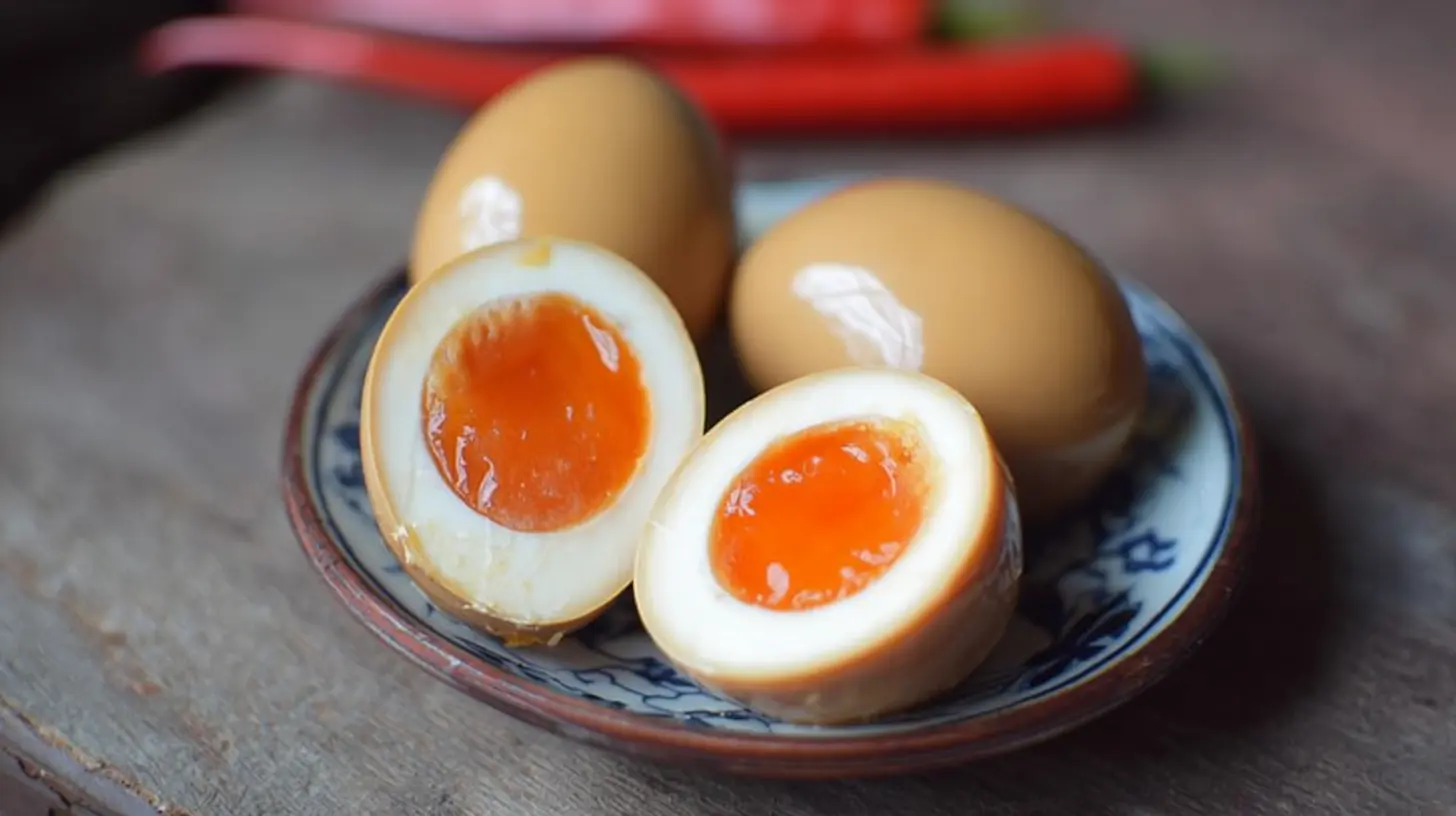
There’s a magical moment when you crack open a perfectly cooked ramen egg, or Ajitama, to reveal that gorgeous, jammy yolk, barely set and infused with savory goodness. For years, I chased that elusive perfection, ending up with yolks that were too runny, too firm, or just… bland. It felt like a culinary Everest to conquer, a small but mighty component that elevates a simple bowl of ramen into an art form. But after countless batches and a deep dive into Japanese culinary wisdom, I’ve finally unlocked the secrets – and I’m thrilled to share two simple tricks that will transform your Ajitama game forever. Forget overcooked whites or watery yolks; get ready for restaurant-quality ramen eggs right in your own kitchen.
Why You’ll Love This Dish
If you’ve ever enjoyed a bowl of authentic ramen, you know the Ajitama isn’t just an egg; it’s a star player. This recipe isn’t just about cooking an egg; it’s about crafting a flavorful, textual masterpiece that complements and enhances any noodle dish. You’ll adore making these at home because they’re:
- Flavor-Packed: The beautiful marinade infuses the egg with umami, sweetness, and a hint of spice, making every bite an explosion of flavor.
- Texturally Divine: That jammy, almost custardy yolk paired with tender whites? Pure perfection.
- Simple to Master: Despite their gourmet appearance, our two tricks make them surprisingly easy to achieve consistently.
- Versatile: While perfect for ramen, they also make a fantastic addition to salads, rice bowls, or even just as a snack!
- Cost-Effective: Making these at home is far more economical than buying them pre-made or always ordering out.
> “I used to think making good ramen eggs was super complicated. This recipe completely changed my mind! The tricks really work, and now I make these every week. My ramen bowls have never been better!” — A satisfied home cook
The Cooking Process Explained
Making these exquisite Ramen Eggs (Ajitama) involves two main stages: first, expertly soft-boiling the eggs to achieve that desirable jammy yolk, and second, marinating them in a savory liquid to infuse them with flavor. The key to success lies in precise timing for the boil and ample patience for the marinade. You’ll start by preparing an ice bath, then gently lowering eggs into boiling water. Once perfectly cooked, they’re quickly cooled, peeled, and submerged in a simple yet potent marinade for at least a few hours, though overnight is truly ideal for maximum flavor penetration.
What You’ll Need
Ingredient list:
- 6 large eggs
- 1/2 cup soy sauce
- 1/4 cup mirin (sweet Japanese rice wine)
- 2 tablespoons water
- 1 tablespoon granulated sugar
- 1 clove garlic, thinly sliced (optional, for extra flavor)
- 1/2 inch fresh ginger, thinly sliced (optional)
Directions to Follow
Here’s how to achieve those flawless Ramen Eggs:
- Prepare Your Ice Bath: Fill a large bowl with ice and water. This is crucial for stopping the cooking process immediately and ensures easy peeling.
- Boil the Water: Bring a medium saucepan of water to a rolling boil over high heat. Don’t add salt; it can sometimes make yolks gritty.
- Egg Immersion (Trick #1): Gently lower the eggs, one by one, directly from the refrigerator into the boiling water. Use a slotted spoon to prevent cracking.
- The Perfect Timing: Set a timer for 6 minutes and 30 seconds for jammy yolks. For a slightly runnier yolk, try 6 minutes; for a firmer but still soft yolk, go for 7 minutes. Maintain a gentle boil.
- Shock and Peel: Immediately transfer the cooked eggs from the boiling water to the ice bath using the slotted spoon. Let them cool for at least 5 minutes. Once cool enough to handle, gently tap and roll the eggs on a counter to crack the shell, then carefully peel under cool running water. The ice bath helps separate the membrane, making peeling much easier.
- Prepare the Marinade: In a sealable container or a Ziploc bag, combine the soy sauce, mirin, water, sugar, and optional sliced garlic and ginger. Stir until the sugar dissolves completely.
- Marinate (Trick #2): Carefully place the peeled eggs into the marinade. Ensure the eggs are completely submerged. If needed, you can use a folded paper towel on top to keep them down.
- Refrigerate: Seal the container or bag and refrigerate for at least 6 hours, but ideally overnight (12-24 hours) for the deepest flavor.
- Serve: Remove the eggs from the marinade, slice them in half lengthwise, and enjoy!
How to Serve It
Ramen Eggs are, unsurprisingly, best friends with a steaming bowl of ramen. Carefully halve them and place them artfully on top of your noodles, broth, and other toppings like chashu pork, nori, and scallions. The rich yolk will gently bleed into the broth, adding another layer of creamy umami. Beyond ramen, these versatile eggs are fantastic:
- On Rice Bowls: Add a halved Ajitama to a donburi or any rice and protein bowl for an instant upgrade.
- In Salads: Slice them over a green salad with a Japanese-inspired dressing.
- As a Snack: Honestly, I sometimes just eat one straight from the fridge as a protein-packed, savory snack.
- With Udon or Soba: They’re a perfect accompaniment to other Japanese noodle dishes too.
Keeping Leftovers Fresh
Proper storage ensures your delicious Ajitama remains safe and tasty. After marinating, remove the eggs from the marinade if you won’t be consuming them immediately, as prolonged exposure can make them too salty.
- Refrigeration: Store peeled, marinated eggs in an airtight container in the refrigerator for up to 3-4 days. While the marinade itself acts as a preservative, for best flavor and texture, it’s ideal to consume them within this timeframe.
- Freezing: Freezing is generally not recommended for soft-boiled eggs, as the texture of the yolk can become rubbery and the white watery upon thawing.
- Marinade: You can reuse the marinade once if it tastes fresh and hasn’t been cross-contaminated. Bring it to a boil, let it cool completely, and then store it in a sealed container in the fridge for up to a week. Discard if it looks or smells off.
Pro Chef Tips
- Use the Freshest Eggs: While fresh eggs often peel harder, our ice bath trick helps. Fresher eggs tend to have richer yolks.
- Don’t Rush the Marinade: Resist the urge to cut the marinating time short. The longer they sit (within reason!), the more flavor they absorb. Overnight truly yields the best results.
- Mind the Temperature: Using cold eggs straight from the fridge helps them cook more evenly in boiling water and reduces the chance of cracking compared to room-temperature eggs.
- Small Batch Test: If you’re nervous about timing, try boiling one egg at your chosen time, then test it. Adjust your timing for the rest of the batch if needed.
- Perfect Peeling Trick: Once cracked, start peeling from the wider end of the egg where the air pocket usually is. Peeling under running water can also help flush away shell fragments and ease separation.
Creative Twists
While classic Ajitama is perfect, there are many ways to play with the marinade to suit your taste:
- Spicy Kick: Add a teaspoon of Gochujang (Korean chili paste) or a pinch of red pepper flakes to the marinade for a subtle heat.
- Smoky Flavor: A tiny dash of liquid smoke or a small piece of kombu (dried kelp) steeped in the marinade can add depth.
- Citrus Zest: A strip of orange or lemon zest in the marinade can introduce a bright, aromatic note. Remember to remove it before serving.
- Umami Boost: Increase the proportion of mirin slightly for more sweetness and a deeper umami profile.
- Garlic & Ginger Infusion: Don’t skip the optional garlic and ginger slices in the marinade. They contribute a fantastic subtle warmth and aroma.
Common Questions
How long does it take to make Ramen Eggs?
The hands-on time is quite quick – about 10-15 minutes for boiling and peeling. However, the marinating time is crucial and requires at least 6 hours, with 12-24 hours being optimal for the best flavor infusion.
Can I use different types of eggs?
Yes, you can. While this recipe is for large chicken eggs, you can adjust the boiling time for smaller or larger eggs. For example, quail eggs might only need 2-3 minutes. Always err on the side of undercooking slightly if you prefer a jammy yolk.
My eggs cracked during boiling, what happened?
Eggs can crack if they’re very cold and dropped into super-hot water too fast, or if they jostle too much in the pot. Our first trick (lowering cold eggs directly into boiling water with a slotted spoon) minimizes this. You can also try adding a tiny splash of vinegar to the boiling water, which helps whites coagulate faster if a crack does occur, preventing the egg from bursting out entirely.

Classic Ramen Eggs (Ajitama)
Equipment
- Pot
- Slotted Spoon
- Ice Bath Bowl
- Small Bowl or Airtight Container
Ingredients
Main Ingredients
- 6 Large Eggs fresh eggs are best but slightly older ones peel easier
- 1/2 cup Soy Sauce good quality
- 1/4 cup Mirin
- 2 tbsp Sake optional
- 1/2 cup Water
- 1/2 tsp Sugar optional, to balance saltiness
- Ice for ice bath
Instructions
Cooking Eggs
- Bring a pot of water to a rolling boil and carefully lower the eggs into it.
- Cook large eggs for 6 minutes 30 seconds for a jammy yolk, or 7 minutes for a firmer yolk. Immediately transfer to an ice bath for at least 5 minutes to stop cooking.
Peeling Eggs
- Gently tap cooled eggs to crack the shell, then peel them under cold running water or in the ice bath for easier peeling.
Marinating Eggs
- Whisk together soy sauce, mirin, sake (if using), water, and sugar (if using) in a bowl or container.
- Add peeled eggs to the marinade, ensuring they are fully submerged (weigh down if necessary).
- Cover and refrigerate for at least 6 hours, or ideally overnight, up to 24-48 hours for best flavor.