
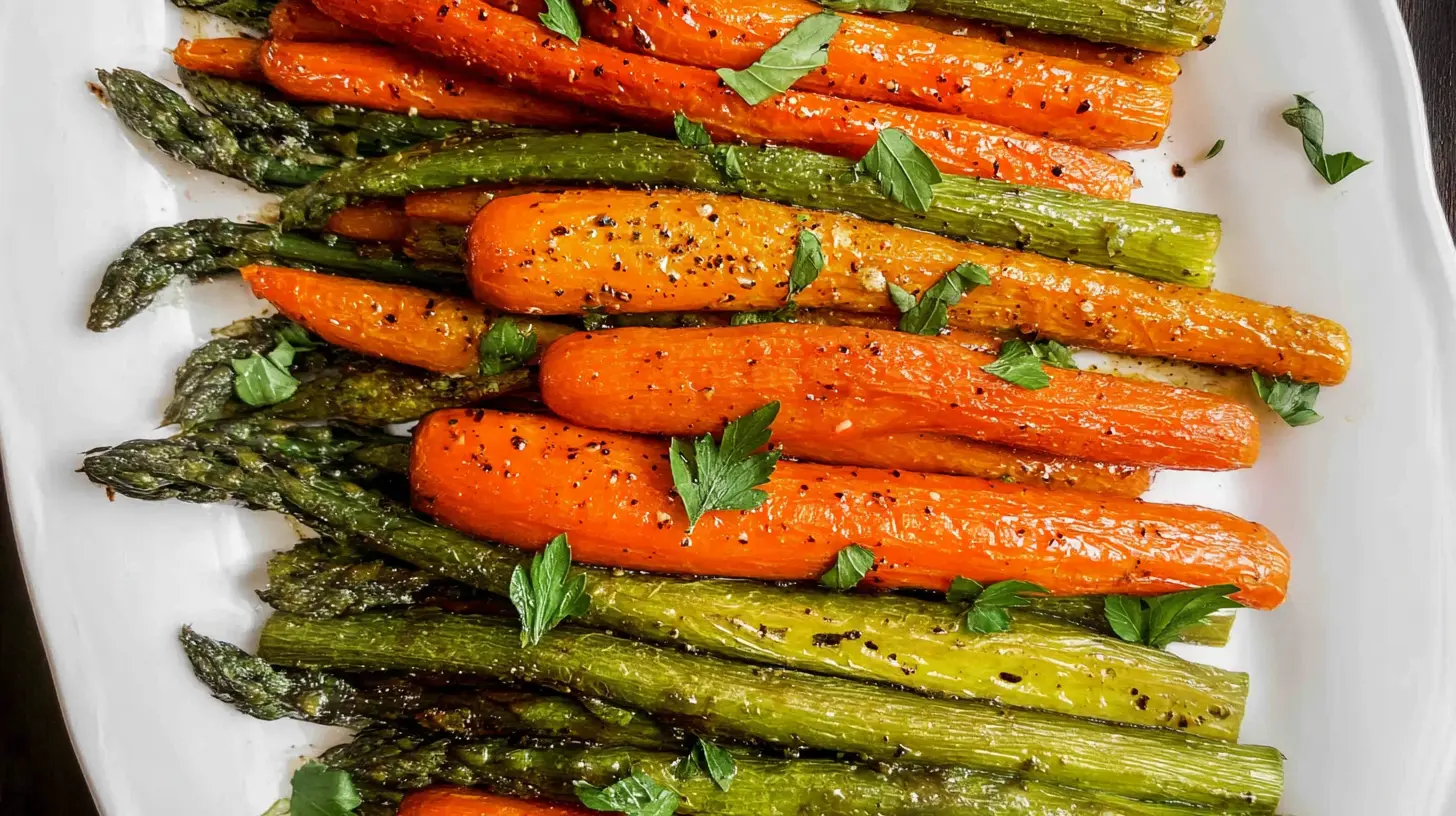
The smell of perfectly roasted vegetables wafting from the oven is one of my favorite kitchen aromas. It instantly elevates any meal, turning simple produce into something truly special. And when it comes to versatile veggie pairings, roasted carrots and asparagus are truly a dream team. This article isn’t just about roasting them; it’s about unlocking their full potential with three distinct, delicious methods. Whether you’re a seasoned home cook or just starting your culinary journey, you’re in for a treat that will make your vegetable sides anything but boring.
Why You’ll Love This Dish
Roasted carrots and asparagus are more than just a side; they’re a revelation. First off, they’re incredibly straightforward to prepare, making them an ideal choice for busy weeknights when you want something nutritious without the fuss. Beyond convenience, the roasting process brings out an incredible sweetness in the carrots and a tender, slightly crisp texture in the asparagus that steaming just can’t replicate. Plus, they’re naturally packed with vitamins and fiber, making them a healthy addition to any plate. This isn’t just about one recipe; it’s about three versatile techniques, ensuring you’ll always have a go-to method, whether you’re looking for classic simplicity, a zesty kick, or a savory herb infusion. They pair beautifully with almost any main course, from a juicy steak to grilled fish or a hearty plant-based meal.
> “I thought I knew how to roast vegetables until I tried these methods! The Lemon-Garlic version is now a staple in my house. So easy and so much flavor!” – A Happy Home Cook
The Cooking Process Explained
Before we dive into the specific ingredients and temperatures, let’s get a general idea of how these three variations of roasted carrots and asparagus come to life. The basic principle remains the same: high heat in the oven caramelizes the natural sugars in the carrots and tenderizes the asparagus, creating a depth of flavor and appealing textures.
Method 1: Classic Olive Oil & Herbs is your foundational roast. It’s all about letting the natural flavors shine, enhanced by just a few simple seasonings. You’ll chop, toss, and roast until golden perfection.
Method 2: Zesty Lemon-Garlic introduces a bright, vibrant twist. Here, fresh lemon juice and minced garlic infuse the veggies, adding a delightful zing that cuts through richness and awakens the palate. It’s slightly more prep but delivers a big flavor payoff.
Method 3: Tangy Balsamic Glaze takes things up a notch with a sweet and savory glaze. The balsamic vinegar reduces slightly in the heat, clinging to the vegetables and creating a caramelized, irresistible finish that really sets it apart.
Each method starts with properly prepared vegetables, a good coating of oil, and a hot oven. The magic then happens with the specific flavor combinations.
Key Ingredients
To embark on your roasted vegetable adventure, here’s what you’ll need. Don’t be afraid to adjust quantities based on how many hungry mouths you’re feeding!
- Fresh Carrots: About 1 pound, peeled and cut into uniform spears or rounds (about 1/2-inch thick for even cooking). Look for firm, bright orange carrots.
- Fresh Asparagus: About 1 bunch (roughly 1 pound), tough ends snapped off. Thicker spears work well for roasting.
- Olive Oil: Extra virgin is best for flavor.
- Salt: Kosher or sea salt.
- Black Pepper: Freshly ground, if possible.
For Method 1: Classic Olive Oil & Herbs
- Dried Herbs: 1 teaspoon of a mix like Herbes de Provence, Italian seasoning, or just dried thyme/oregano.
For Method 2: Zesty Lemon-Garlic
- Garlic: 3-4 cloves, minced.
- Lemon: 1 organic lemon, zested and juiced.
- Fresh Parsley: 2 tablespoons, chopped (for garnish, optional).
For Method 3: Tangy Balsamic Glaze
- Balsamic Vinegar: 1/4 cup. (A good quality balsamic makes a difference here!)
- Maple Syrup or Honey: 1 tablespoon (optional, for extra sweetness and glaze formation).
Directions to Follow
Let’s get these delicious vegetables roasting! Remember, the key to even roasting is not overcrowding your baking sheet. Use two if necessary.
General Prep (for all methods):
- Preheat Oven: Set your oven to 400°F (200°C). Line a large baking sheet (or two) with parchment paper for easy cleanup.
- Prepare Carrots: Peel the carrots and cut them into uniform spears (about 2-3 inches long) or 1/2-inch thick rounds. Aim for pieces that are roughly the same size so they cook evenly.
- Prepare Asparagus: Wash the asparagus and snap off the woody ends. The easiest way to do this is to hold an individual spear by both ends and bend gently until it naturally breaks. Discard the tough bottoms.
Method 1: Classic Olive Oil & Herbs
- Place the prepared carrots and asparagus on the lined baking sheet.
- Drizzle with 2 tablespoons of olive oil.
- Sprinkle with 1 teaspoon of dried herbs, 1/2 teaspoon salt, and 1/4 teaspoon black pepper.
- Toss everything together directly on the baking sheet until well coated. Spread in a single layer.
- Roast for 15-25 minutes, or until the carrots are tender-crisp and lightly browned, and the asparagus is tender. Times will vary based on vegetable thickness and oven. Stir halfway through.
Method 2: Zesty Lemon-Garlic
- Place the prepared carrots and asparagus on the lined baking sheet.
- In a small bowl, whisk together 2 tablespoons of olive oil, the minced garlic, lemon zest, and lemon juice.
- Pour the lemon-garlic mixture over the vegetables.
- Season with 1/2 teaspoon salt and 1/4 teaspoon black pepper.
- Toss until well coated and spread in a single layer.
- Roast for 15-25 minutes, stirring halfway through, until tender and caramelized. Garnish with fresh chopped parsley, if desired, before serving.
Method 3: Tangy Balsamic Glaze
- Place the prepared carrots and asparagus on the lined baking sheet.
- Drizzle with 2 tablespoons of olive oil. Season with 1/2 teaspoon salt and 1/4 teaspoon black pepper. Toss to coat and spread in a single layer.
- Roast for 10 minutes.
- While roasting, whisk together the balsamic vinegar and maple syrup (if using).
- After the initial 10 minutes, remove the baking sheet from the oven. Drizzle the balsamic mixture over the vegetables and toss gently to coat.
- Return to the oven and roast for another 10-15 minutes, or until the vegetables are tender and the balsamic glaze has thickened and coated them nicely. Keep an eye on them to prevent burning.
What to Serve It With
These roasted carrots and asparagus are incredibly versatile and can complement almost any meal.
- For a Hearty Dinner: They’re a fantastic companion to roasted chicken, seared steak, baked salmon, or tender pork chops. Their vibrant colors and flavors balance rich proteins beautifully.
- Vegetarian Main: If you’re looking to make them the star, serve them alongside quinoa, brown rice, or a hearty lentil salad for a complete and satisfying vegetarian meal. A sprinkle of crumbled feta or goat cheese works wonders here.
- Brunch Side: The lemon-garlic version would be amazing paired with a frittata or quiche for an elegant brunch.
- Simple Lunch: Enjoy them chilled the next day, tossed into a green salad for added texture and nutrients.
- Flavor Pairings: The classic herb option is great with almost anything. The lemon-garlic shines with chicken or fish. The balsamic glaze is particularly fantastic with red meats or hearty plant-based dishes.
How to Store & Freeze
These roasted vegetables are best enjoyed fresh, right out of the oven, when their textures are at their peak. However, leftovers can be stored and reheated.
- Storage: Allow the roasted carrots and asparagus to cool completely before transferring them to an airtight container. Store in the refrigerator for up to 3-4 days. Separation is key to preventing sogginess.
- Reheating: For best results, spread them out on a baking sheet and reheat in a preheated oven at 350°F (175°C) for 5-10 minutes, or until warmed through. This helps to re-crisp them slightly. Microwaving is an option, but it can make them softer.
- Freezing: While possible, freezing roasted vegetables often changes their texture significantly, making them much softer and sometimes watery when thawed. If you must freeze, spread them in a single layer on a baking sheet to freeze solid, then transfer to a freezer-safe bag for up to 2-3 months. Reheat from frozen in the oven for a better result.
Helpful Cooking Tips
Achieving truly fantastic roasted vegetables is simple, but a few pro tips can make all the difference.
- Don’t Overcrowd the Pan: This is the golden rule of roasting! If vegetables are too close together, they’ll steam rather than roast, leading to a soggy rather than caramelized result. Use two baking sheets if needed, spreading the veggies in a single layer.
- Uniform Cutting: Cut your carrots into similar-sized pieces for even cooking. Asparagus spears are naturally similar, but if you have very thick and very thin ones, you might consider cooking them separately or adding the thinner ones a few minutes later.
- Hot Oven is Key: A high temperature (400°F/200°C) is essential for developing those delicious, caramelized edges and tender interiors.
- Listen to Your Veggies: Roasting times are estimates. Keep an eye on your vegetables. They’re done when the carrots are tender-crisp and slightly browned, and the asparagus is bright green and tender but still has a slight bite.
- Pat Dry: For the best caramelization, ensure your vegetables are relatively dry before tossing with oil. Excess moisture will steam them.
Creative Twists
While these three methods are fantastic on their own, don’t hesitate to get creative and put your own spin on them!
- Spice It Up: Add a pinch of red pepper flakes to any of the methods for a subtle kick. A dash of smoked paprika can add a lovely depth of flavor, especially to the classic version.
- Nutty Crunch: Sprinkle some toasted slivered almonds or chopped walnuts over the finished roasted vegetables for added texture and healthy fats.
- Cheesy Finish: A final sprinkle of grated Parmesan cheese during the last few minutes of roasting (especially with the lemon-garlic method) creates a delicious, savory crust.
- Herbal Variations: For the classic method, experiment with different fresh herbs like rosemary, thyme, or dill. Fresh herbs are best added towards the end of roasting or as a garnish.
- Sweet Heat: A tiny drizzle of hot honey or a pinch of cayenne with the balsamic glaze can create a wonderful sweet and spicy combination.
- Global Flavors: Try a blend of curry powder and a touch of coconut sugar for a more exotic, fragrant profile.
Common Questions
How long does it take to roast carrots and asparagus?
Generally, it takes about 15-25 minutes at 400°F (200°C). Carrots take a bit longer than asparagus, so they are usually roasted together. The exact time depends on the thickness of your vegetables and your oven’s calibration. You’re looking for tender-crisp carrots and bright green, tender asparagus.
Can I prepare the vegetables ahead of time?
Yes, you can prep the carrots (peel and cut) and asparagus (snap ends) a day or two in advance. Store them separately in airtight containers in the refrigerator. However, for the best texture, I recommend tossing them with oil and seasonings right before roasting.
What if my asparagus pieces are much thinner than my carrot pieces?
If your asparagus spears are very thin compared to your carrots, you have a couple of options:
- Add Asparagus Later: Start roasting the carrots first for 5-7 minutes, then add the asparagus to the pan and continue roasting until both are done.
- Separate Pans: Roast them on separate baking sheets, as asparagus will cook much faster. This gives you more control over doneness for each vegetable.
Can I use baby carrots?
Absolutely! Baby carrots are great for roasting and often don’t even need peeling. If they’re particularly small, they might cook a little faster, so keep an eye on them. You might also want to leave them whole for visual appeal.
Is it safe to eat cold roasted vegetables?
Yes, absolutely! Once cooked and properly cooled, roasted carrots and asparagus are delicious eaten cold, making them a great addition to salads or packed lunches. Just ensure they are stored correctly in the refrigerator within two hours of cooking.
Garlic Herb Roasted Carrots and Asparagus
Equipment
- Oven
- Small bowl
- Large bowl
- Baking sheet
Ingredients
Vegetables
- 1 bunch carrots about 1 lb
- 1 bunch asparagus about 1 lb
Flavorings
- 2 tbsp olive oil
- 2 cloves garlic minced
- 1 tbsp fresh rosemary chopped
- 1 tbsp fresh thyme chopped
- Salt and black pepper to taste
Instructions
Preparation
- Preheat your oven to 400°F (200°C). Wash and pat dry carrots and asparagus. Peel carrots and cut into 1/2-inch thick pieces, and snap off woody ends of asparagus.
Seasoning
- In a small bowl, combine minced garlic, chopped fresh rosemary, and chopped fresh thyme. In a large bowl, drizzle carrots and asparagus with olive oil, then add the garlic herb mixture. Season generously with salt and black pepper and toss to coat evenly.
Roasting
- Spread the seasoned vegetables in a single layer on a large baking sheet, ensuring not to overcrowd. Roast for 10-15 minutes, then toss and continue roasting for another 8-12 minutes, or until tender-crisp and slightly caramelized.
Serving
- Remove from the oven and serve immediately.