
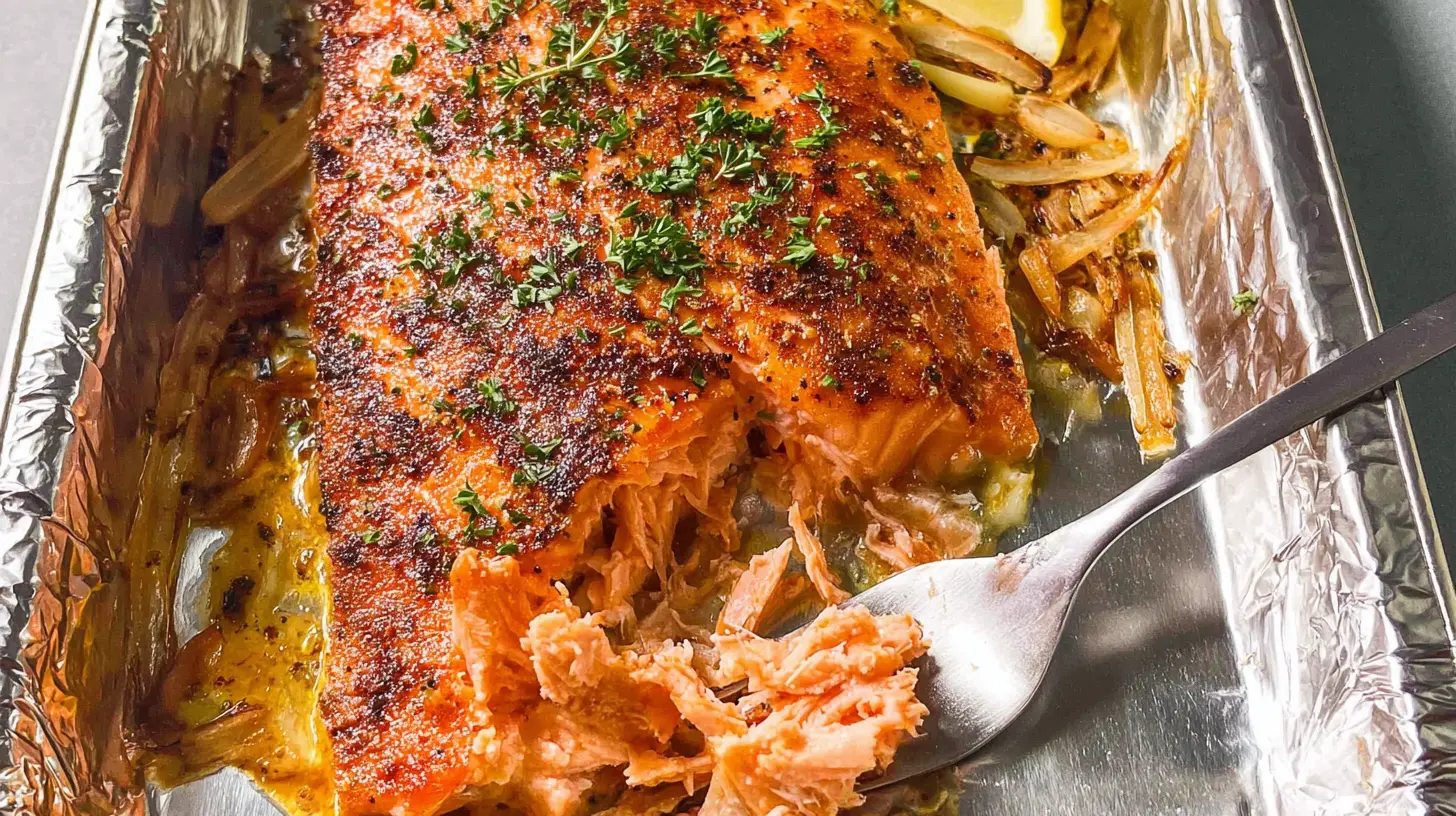
I remember a time when cooking fish felt like a high-stakes culinary challenge. Would it be dry? Undercooked? Stuck to the pan? Then I discovered the magic of oven-baked salmon, and suddenly, those worries vanished. This recipe for Perfect Oven Baked Salmon isn’t just another way to cook fish; it’s a revelation, delivering consistently flaky, moist, and flavorful results every single time. If you’re craving a meal that’s both elegant and effortless, you’re in the right place.
Why You’ll Love This Dish
Let’s be honest, weeknight dinners can feel like a marathon. That’s precisely why this Perfect Oven Baked Salmon is about to become your new culinary MVP. It hits all the right notes: it’s incredibly quick, requiring minimal hands-on time, and it’s packed with heart-healthy omega-3s, making it a fantastic choice for anyone looking to eat well without sacrificing flavor. Whether you’re a seasoned chef or a kitchen novice, this recipe guarantees success, transforming a simple fillet into a dish that tastes like it came from a gourmet restaurant. Plus, the cleanup is usually a breeze, especially if you line your baking sheet!
> “I used to shy away from cooking fish at home, but this oven-baked salmon recipe changed everything! It’s so easy and the salmon comes out perfectly tender and juicy. My family asks for it every week now!” — A Happy Home Cook
The Cooking Process Explained
Making this Perfect Oven Baked Salmon is refreshingly straightforward. You’ll start by preparing your salmon fillets, ensuring they’re patted dry for the best sear (or crisp, in this case). Next, a simple yet effective seasoning comes into play, enhancing the fish’s natural flavors. After a quick drizzle of olive oil, the salmon heads into a hot oven to bake to perfection. The key here is not to overcook it, ensuring that beautiful flaky texture remains. Finally, a touch of fresh herbs or a squeeze of lemon finishes the dish, making it table-ready in under 20 minutes!
Ingredient List
To create this delectable Perfect Oven Baked Salmon, you’ll need just a few key items. Good quality ingredients truly make a difference here.
- Salmon Fillets: About 1.5 lbs, skin-on or skinless, cut into 4-6 oz portions. I usually opt for skin-on for extra flavor and moisture retention, plus it crisps up nicely!
- Olive Oil: 2 tablespoons, or another neutral cooking oil like avocado oil.
- Lemon: 1-2, half for juicing, the other half for slicing and garnishing.
- Garlic Powder: 1 teaspoon.
- Paprika: 1 teaspoon (smoked paprika adds a wonderful depth!).
- Dried Dill: 1 teaspoon (fresh dill works even better if you have it!).
- Salt: To taste.
- Black Pepper: To taste, freshly ground is always best.
- Fresh Parsley or Dill (for garnish): Optional, but highly recommended for a pop of color and freshness.
Directions to Follow
Let’s get this delicious salmon into your oven! Follow these steps for perfect results every time.
- Preheat Your Oven: Set your oven to 400°F (200°C) and line a baking sheet with parchment paper or foil for easy cleanup.
- Prepare the Salmon: Pat the salmon fillets completely dry with paper towels. This is crucial for achieving that lovely, slightly crisp exterior. Place them on the prepared baking sheet.
- Season the Fish: In a small bowl, whisk together the olive oil, lemon juice (from half a lemon), garlic powder, paprika, dried dill, salt, and pepper.
- Coat the Salmon: Brush or spoon the seasoned oil mixture evenly over the top and sides of each salmon fillet. Arrange lemon slices over the salmon fillets if desired.
- Bake: Transfer the baking sheet to the preheated oven and bake for 12-18 minutes, depending on the thickness of your salmon. The salmon is done when it flakes easily with a fork and reaches an internal temperature of 145°F (63°C). Thinner fillets will cook faster, so keep an eye on them!
- Rest and Serve: Once cooked, remove the salmon from the oven and let it rest for a few minutes before serving. Garnish with fresh parsley or dill, and serve with extra lemon wedges.
Best Ways to Enjoy It
Perfect Oven Baked Salmon is incredibly versatile. For a light and healthy meal, I love serving it alongside a vibrant green salad with a citrus vinaigrette or a generous portion of steamed asparagus or broccoli. If you’re looking for something more substantial, it pairs wonderfully with roasted sweet potatoes, quinoa, or a creamy risotto. For a touch of elegance, consider a dollop of homemade dill sauce or a spoonful of pesto on top. And don’t forget those extra lemon wedges – a fresh squeeze of lemon truly brightens every bite!
Storage and Reheating Tips
If you happen to have any leftover Perfect Oven Baked Salmon (a rare occurrence in my house!), you can safely store it. Place cooled salmon fillets in an airtight container and refrigerate for up to 2-3 days.
To reheat, the best method is gently. You can warm it in the oven at a low temperature (around 275°F/135°C) for about 10-15 minutes, or until just heated through, covering it loosely with foil to prevent drying out. Avoid microwaving if possible, as it can make the salmon rubbery. If you must microwave, do so in short bursts at a lower power setting. Freezing cooked salmon isn’t ideal for texture, but if you must, tightly wrap individual portions in plastic wrap and then foil, and freeze for up to 1 month. Thaw in the refrigerator overnight before reheating.
Helpful Cooking Tips
Achieving truly perfect oven-baked salmon involves a few insider tricks:
- Don’t Skip the Pat Dry: Excess moisture on the surface of the fish inhibits browning and can lead to a steamed, rather than roasted, texture. Patting it dry is a small step with a big impact.
- Even Thickness: If you have exceptionally thick salmon fillets, try to choose ones of similar thickness so they cook evenly. If one is much thicker, it might need a minute or two longer.
- Skin-On vs. Skinless: While skinless is fine, cooking salmon with the skin on helps protect the delicate flesh from drying out and can offer a wonderfully crispy treat if baked directly on the baking sheet.
- Don’t Overcrowd the Pan: Give your salmon fillets some space on the baking sheet. If they’re too close, they’ll steam instead of roast, leading to less appealing results.
- Know Your Oven: Oven temperatures can vary. If you’re unsure, an oven thermometer can be a great investment. Always rely on the internal temperature of the fish (145°F/63°C) as the ultimate indicator of doneness.
- The Rest is Best: Just like with meat, letting your salmon rest for a few minutes after baking allows the juices to redistribute, resulting in a moister, more flavorful fillet.
Recipe Variations
This basic Perfect Oven Baked Salmon recipe is a fantastic canvas for culinary creativity. Here are a few ways to switch things up:
- Spicy Salmon: Add a pinch of cayenne pepper or a dash of your favorite hot sauce to the seasoning mix for a fiery kick.
- Asian-Inspired: Swap out the dill for a glaze of soy sauce, ginger, garlic, and a touch of honey or maple syrup. Garnish with sesame seeds and green onions.
- Herb Garden Fresh: Experiment with different fresh herbs like thyme, rosemary, or parsley. A mix of finely chopped fresh herbs with a little lemon zest and garlic makes a bright, aromatic crust.
- Pesto Salmon: Spread a thin layer of your favorite pesto over the salmon fillets before baking for an instant flavor boost.
- Dijon Herb Salmon: Mix a tablespoon of Dijon mustard into your olive oil and seasoning blend for a tangy, pungent twist.
- Veggie-Packed Bake: Toss some quick-cooking vegetables like asparagus, cherry tomatoes, or sliced bell peppers with a little olive oil, salt, and pepper, and bake them on the same sheet pan alongside the salmon for a complete meal.
Common Questions
How do I know when my salmon is perfectly cooked?
The best way to tell is by testing if it flakes easily with a fork. Gently insert a fork into the thickest part of the fillet; if it separates easily, it’s done. An internal meat thermometer inserted into the thickest part should read 145°F (63°C). The color will also become more opaque throughout.Can I use frozen salmon for this recipe?
Yes, absolutely! Just make sure to thaw it completely in the refrigerator overnight before cooking. Pat it very dry with paper towels before seasoning, as frozen salmon tends to release more moisture.What if I don’t have parchment paper?
While parchment paper makes cleanup incredibly easy, you can also use aluminum foil. If using foil, you might want to lightly grease it with a little oil to prevent the salmon from sticking, especially if your foil isn’t non-stick.Can I add other seasonings?
Of course! This recipe is a great base. Feel free to experiment with onion powder, chili powder, oregano, or any other spices you enjoy with fish. A blend like Old Bay seasoning also works wonderfully.How do I prevent my salmon from drying out?
The key is not to overcook it. Salmon cooks relatively quickly, so keep a close eye on it, particularly towards the end of the baking time. Thicker fillets will take longer, thinner ones less time. The internal temperature of 145°F (63°C) is your best friend here.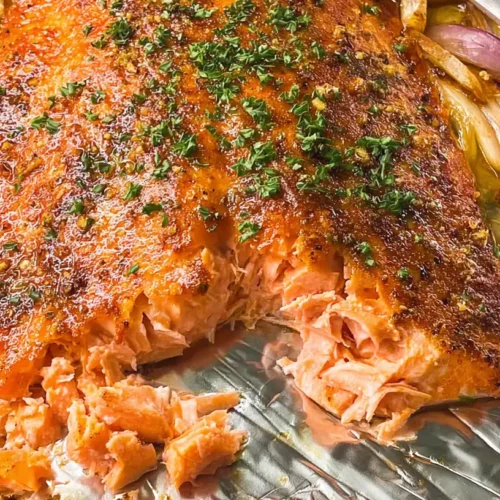
Classic Perfect Oven Baked Salmon
Equipment
- oven
- baking sheet
- parchment paper or foil
- small bowl
- whisk
- brush (optional)
Ingredients
Main Ingredients
- 1 to 1.5 pounds salmon fillets
- 2 tablespoons extra virgin olive oil
- 1 fresh lemon
- 1 teaspoon garlic powder
- 1 teaspoon smoked paprika
- 1 teaspoon dried dill or 1 tablespoon fresh dill, chopped
- 1/2 teaspoon salt or to taste
- 1/4 teaspoon freshly ground black pepper or to taste
Optional Garnish
- fresh parsley
- more lemon wedges
- flaky sea salt
Instructions
Preparation
- Preheat your oven to 400°F (200°C) and line a baking sheet with parchment paper or foil.
- Pat the salmon fillets dry with paper towels and place them on the prepared baking sheet.
Seasoning and Baking
- Whisk together olive oil, garlic powder, smoked paprika, dried dill, salt, and pepper in a small bowl.
- Drizzle the seasoning mixture over the salmon, ensuring it’s evenly coated, and add lemon slices or juice.
- Bake for 12-15 minutes, or until the salmon flakes easily and reaches an internal temperature of 145°F (63°C).
Resting and Serving
- Remove the salmon from the oven and let it rest for 5 minutes on the baking sheet.
- Garnish with fresh parsley or lemon wedges if desired, and serve immediately.