
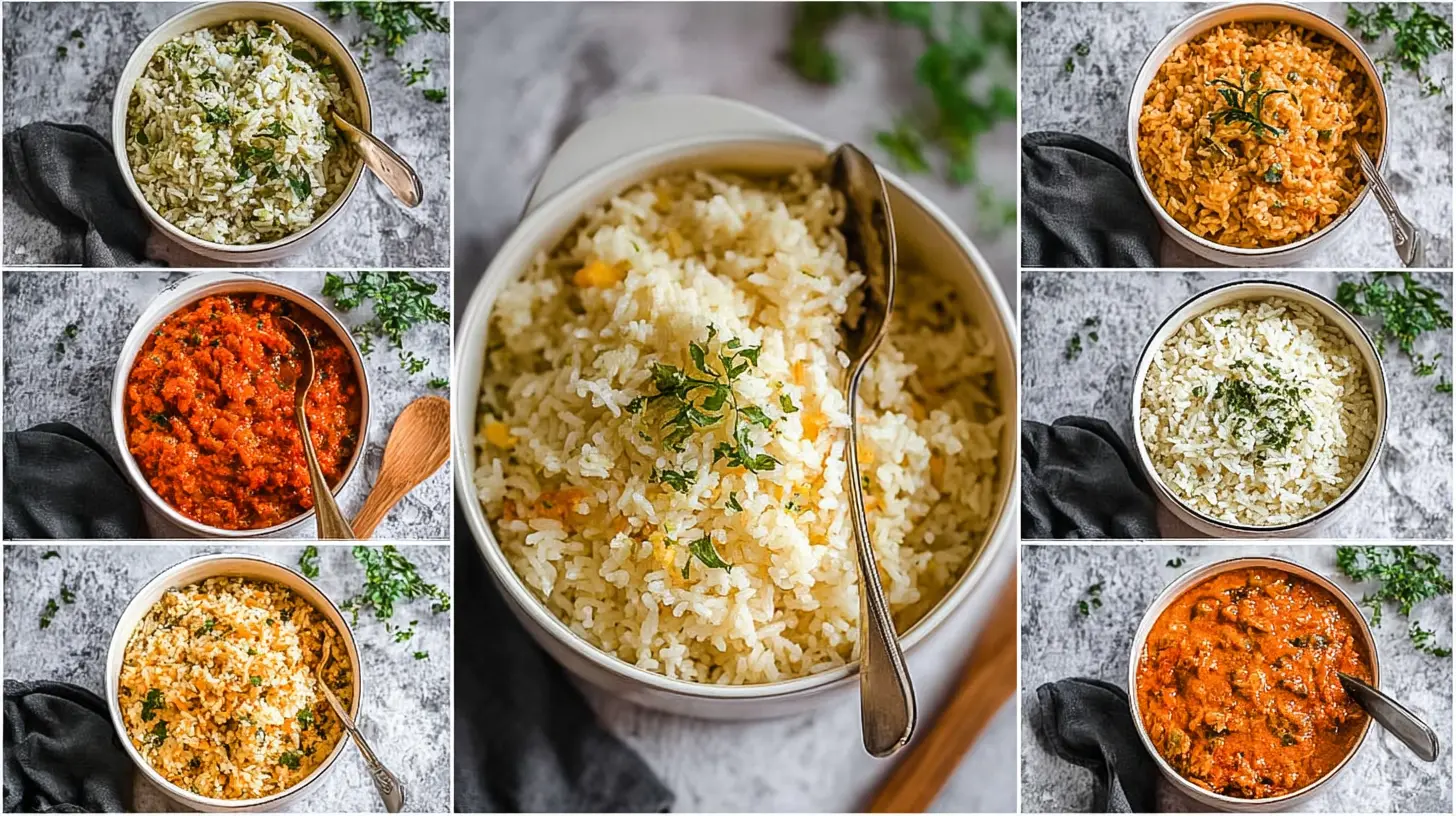
When the pantry looks a little sparse, or I’m just trying to make the grocery budget stretch, my mind always wanders to one versatile grain: rice. It’s the ultimate canvas for a delicious, satisfying, and incredibly affordable meal. For years, I’ve relied on a handful of go-to rice dishes that never fail to please, no matter how picky the eaters at my table. And trust me, with a busy household, finding meals that are both kind to the wallet and universally loved is a true superpower.
Why You’ll Love These Family Favorites
These aren’t just any rice dishes; they’re a collection of recipes designed with real families, real budgets, and real weeknights in mind. You’ll find yourself reaching for these ideas repeatedly because they:
- Are Incredibly Budget-Friendly: Rice is one of the most economical staples you can buy, and these recipes leverage that fact by pairing it with affordable proteins and vegetables. Say goodbye to expensive takeout and hello to delicious savings!
- Offer Incredible Versatility: From a comforting one-pot wonder to a zesty side that steals the show, rice adapts beautifully to a myriad of flavors and cuisines. You’ll be amazed at the variety you can achieve with just one core ingredient.
- Are Quick and Easy: Many of these dishes are designed for minimal fuss and maximum flavor, perfect for those hectic weeknights when time is short but hungry tummies aren’t.
- Are Crowd-Pleasers: These recipes have been taste-tested by my own family and friends, earning rave reviews even from the pickiest eaters. They’re hearty, comforting, and packed with flavors everyone enjoys.
> “I thought cooking on a budget meant sacrificing flavor, but these rice recipes proved me totally wrong! My kids even asked for seconds of the Lemon Herb Rice – a miracle!” – A Happy Home Cook
How These Rice Recipes Come Together
The beauty of these 8 family-favorite rice recipes lies in their simplicity and common threads. While each recipe has its unique flavor profile, the general process revolves around a few core steps:
- Preparation is Key: Most of these dishes start with a bit of chopping – onions, garlic, and any vegetables specific to the recipe. This foundational step builds flavor.
- Sautéing Aromatics: Often, you’ll begin by gently cooking onions and garlic until fragrant, creating a savory base for your rice and other ingredients.
- Toasting the Rice (Optional but Recommended): For some recipes, lightly toasting the dry rice grains in a little oil before adding liquid can enhance their nutty flavor and improve texture, making them less sticky.
- Adding Liquid and Simmering: This is where the magic happens. Water, broth, or other liquids are added, bringing the mixture to a simmer. A tight-fitting lid is crucial here, allowing the rice to absorb the liquid and cook perfectly.
- Adding Proteins/Vegetables: Depending on the recipe, proteins like chicken or beans, and vegetables are either cooked into the same pot with the rice or added partway through the cooking process to ensure everything finishes cooking around the same time.
- Finishing Touches: A final stir, a sprinkle of fresh herbs, or a squeeze of citrus often elevates the dish just before serving.
Ingredient List: What You’ll Need
While each of the 8 recipes will have its specific component list, here’s a general overview of the common items you’ll want to have on hand to tackle these affordable family favorites. Think of this as your budget-friendly rice cooking arsenal!
- Rice: Long-grain white rice (like Basmati or Jasmine) is often preferred for its fluffy texture, but medium-grain or even brown rice can be adapted for many recipes.
- Aromatics: Onions (yellow or white), garlic, and sometimes bell peppers are foundational to building flavor.
- Pantry Staples: Canned diced tomatoes, tomato paste, canned beans (black, kidney, pinto), vegetable or chicken broth (or bouillon cubes), soy sauce, and a variety of dried spices (cumin, paprika, chili powder, oregano, salt, black pepper).
- Affordable Proteins: Chicken thighs or breasts (often cheaper than other cuts), ground meat (beef, turkey, or pork), eggs, or even just beans and cheese for vegetarian options.
- Vegetables: Frozen peas, corn, carrots, or fresh seasonal veggies like spinach or zucchini.
- Fats: Olive oil or a neutral cooking oil.
- Fresh Herbs & Garnishes (Optional): Cilantro, parsley, green onions, lime wedges – these can really brighten up a dish.
Directions to Follow for These Rice Dishes
Since this article covers 8 distinct recipes, I’ll provide a general workflow that applies to most of them, highlighting the common steps you’ll encounter. You’ll find specific quantities and ingredient pairings for each individual recipe when you dive into them.
- Prep Your Ingredients: Before you even turn on the stove, get everything ready. Chop your onions, mince your garlic, measure out your spices, and open any cans. This “mise en place” will make the cooking process smoother and prevent frantic scrambling.
- Sauté Aromatics: In a large pot or deep skillet over medium heat, add a tablespoon or two of oil. Sauté chopped onions and/or bell peppers until they soften, typically 5-7 minutes. Add minced garlic and cook for another minute until fragrant, being careful not to burn it. If using ground meat, add it here and cook until browned, draining any excess fat.
- Add Rice and Liquid: Stir in the uncooked rice, coating it evenly with the oil and aromatics. If the recipe calls for it, toast the rice for 1-2 minutes until slightly translucent. Pour in your chosen liquid (broth, water, canned tomatoes). Add any seasonings like salt, pepper, paprika, or cumin. Bring the mixture to a boil.
- Cover and Simmer: Once boiling, reduce the heat to low, cover the pot tightly with a lid, and let it simmer for the time specified in the recipe (usually 15-20 minutes for white rice). Avoid lifting the lid during this time! This is crucial for the rice to cook evenly and absorb all the liquid.
- Incorporate Other Ingredients (if applicable): For some recipes, you might stir in cooked chicken, canned beans, or frozen vegetables during the last 5-10 minutes of simmering, or right after the rice has finished cooking, allowing them to heat through.
- Rest and Fluff: Once the cooking time is up, remove the pot from the heat and let it rest, still covered, for 5-10 minutes. This allows the steam to redistribute and finish cooking the grains. Then, gently fluff the rice with a fork before serving.
- Garnish and Serve: Add any fresh herbs, a squeeze of lime, or other garnishes as desired, then serve hot!
Best Ways to Enjoy These Rice Dishes
The beauty of these family-favorite rice recipes is their incredible versatility not just in preparation, but also in how you serve them. Many are complete meals on their own, while others can be delightfully enhanced.
- As a Standalone Meal: Most of these recipes, especially those with protein and vegetables cooked in, are perfectly satisfying as a complete meal. Think of a hearty Chicken & Rice Skillet or a vibrant Bean & Rice Fiesta.
- With a Simple Side Salad: A fresh, crisp green salad with a light vinaigrette is always a welcome counterpoint to a warm, savory rice dish. It adds a touch of freshness and extra veggies.
- Paired with Steamed Vegetables: If your rice dish is light on greens, a quick side of steamed broccoli, green beans, or asparagus makes for a well-rounded meal.
- Topped with Avocado or Sour Cream: For a creamy or cooling element, a dollop of sour cream, a swirl of Greek yogurt, or slices of ripe avocado can elevate dishes like a Tex-Mex Rice Bowl.
- Garnished with Fresh Herbs: A sprinkle of fresh cilantro, parsley, or chopped green onions right before serving adds a pop of color and an extra layer of fresh flavor. It makes the dish look as good as it tastes!
- With a Kick: A dash of your favorite hot sauce or a sprinkle of red pepper flakes can add a lovely spicy note for those who enjoy a bit of heat.
- For Lunch the Next Day: These recipes often yield generous portions, making them ideal for packing into lunch containers for a delicious and economical workday meal.
How to Store & Freeze
These budget-friendly rice recipes are fantastic for meal prepping and making ahead. Proper storage ensures you can enjoy them safely for days to come.
Storing Leftovers:
- Cool Quickly: The key to safely storing rice is to cool it down as fast as possible after cooking. Divide larger portions into smaller, shallow containers to help them cool more rapidly. Do not leave cooked rice at room temperature for more than one hour, especially in warm climates.
- Refrigerate: Transfer the cooled rice dish into airtight containers. Store in the refrigerator for up to 3-4 days. This applies to dishes containing meat, beans, or vegetables cooked with the rice.
- Reheating: Reheat thoroughly until steaming hot throughout (at least 165°F or 74°C). You can use a microwave (add a splash of water and cover for moisture), a stovetop (add a little liquid to prevent drying), or even an oven for larger portions. Avoid reheating more than once to maintain quality and safety.
Freezing for Longer Storage:
- Prepare for Freezing: Once completely cooled, transfer the rice dish into freezer-safe airtight containers or heavy-duty freezer bags. If using bags, squeeze out as much air as possible before sealing.
- Label and Date: Always label your containers with the recipe name and the date it was cooked.
- Freeze Duration: Most rice dishes will keep well in the freezer for up to 3 months. Beyond this, quality might start to decline, though they would likely still be safe to eat.
- Thawing and Reheating: For best results, thaw frozen rice dishes overnight in the refrigerator. Once thawed, reheat thoroughly using one of the methods described for refrigerated leftovers. If heating directly from frozen, it may take longer and require a bit more liquid to prevent drying out.
Safety Note: Cooked rice can sometimes harbor Bacillus cereus bacteria, which can cause food poisoning. Rapid cooling and proper storage are crucial to prevent the bacteria from multiplying and producing toxins. Never consume rice that has been left at room temperature for an extended period or that smells off.
Pro Chef Tips for Perfect Rice Dishes
Even though these are simple, budget-friendly recipes, a few insider tricks can elevate your results from good to absolutely glorious.
- Rinse Your Rice: For most white rice varieties (especially Basmati or Jasmine), a quick rinse under cold water until the water runs clear can make a huge difference. This removes excess starch, leading to fluffier, less sticky grains. While not essential for every dish, it’s a pro move for a cleaner texture.
- Toasting Adds Depth: Before adding liquid, sautéing your dry rice grains in a little oil for 1-2 minutes until slightly translucent and fragrant adds a wonderful nutty depth of flavor. It also helps the grains stand independently.
- The Perfect Liquid-to-Rice Ratio: The classic ratio is usually 2 cups of liquid to 1 cup of rice, but always defer to the specific recipe or rice packaging directions. Different types of rice (brown, Basmati, Arborio) absorb liquid differently. When in doubt, err on the side of slightly less liquid; you can always add a splash more if it’s too dry.
- No Peeking! Once you put the lid on to simmer, resist the urge to lift it! Every time you peek, steam escapes, which is vital for the rice to cook properly. Trust the process and the timer.
- Rest is Best: After cooking, remove the pot from the heat and let it sit, still covered, for 5-10 minutes. This crucial resting period allows the steam to redistribute, resulting in perfectly tender, separated grains.
- Fluff Gently with a Fork: Don’t stir vigorously with a spoon. Use a fork to gently fluff the rice, separating the grains without mashing them.
- Taste and Adjust Seasoning: Don’t be afraid to taste your rice before serving. A little pinch more salt, a squeeze of lime, or a scattering of fresh herbs can really wake up the flavors.
Creative Twists for Your Rice Favorites
One of the greatest joys of cooking with rice is its incredible versatility. Don’t be afraid to experiment and make these recipes your own! Here are a few ideas to spark your creativity:
- Spice It Up: Love a little heat? Add a pinch of red pepper flakes, a dash of your favorite hot sauce, or even a finely minced jalapeño to the pot.
- Go Green: Stir in a handful of fresh spinach, kale, or chopped Swiss chard during the last few minutes of cooking, or when the rice is resting, for an extra boost of nutrients and color.
- Cheese Please: A sprinkle of shredded cheddar jack, Monterey Jack, or even Parmesan stirred in or melted on top can add a delicious, savory richness to many of these dishes.
- Boost the Protein:
- Eggs: Fry an egg or two and serve it on top of a hearty rice bowl for a quick protein boost.
- Tofu/Tempeh: Marinated and pan-fried tofu or tempeh chunks can be a great vegetarian addition.
- Leftover Roast Chicken/Pork: Shred any leftover cooked meat and stir it into the rice at the end to heat through.
- Herb Power: Experiment with different fresh herbs! Beyond cilantro and parsley, consider chopped dill for a lemon-y rice, or fresh oregano and thyme for a Mediterranean twist.
- Citrus Zest & Juice: A squeeze of fresh lime or lemon juice, along with a little zest, can brighten up almost any rice dish, adding a lovely tangy finish.
- Nutty Crunch: For added texture and flavor, toast some slivered almonds, cashews, or chopped peanuts and sprinkle them over the top before serving.
- Smoky Flavor: A pinch of smoked paprika or a dash of liquid smoke can impart a delicious depth to many savory rice recipes.
Your Questions Answered
We know tackling new recipes or even familiar ones can spark a few questions. Here are some common queries about making delicious and affordable rice dishes:
Q1: Can I use brown rice instead of white rice in these recipes?
A: Absolutely! While the recipes are often written for white rice which cooks faster, brown rice is a fantastic, healthier alternative. Just keep in mind that brown rice typically requires more liquid (often 2.5 times the amount of rice instead of 2:1) and a longer cooking time (around 40-50 minutes). You might also need to increase the seasoning slightly to match its nuttier flavor.
Q2: My rice always turns out sticky or mushy. What am I doing wrong?
A: There are a few culprits!
- Too much water: Double-check your liquid-to-rice ratio.
- Lifting the lid: Every time you peek, steam escapes, increasing cooking time and leading to mushy results. Resist the urge!
- Not resting the rice: The 5-10 minute rest after cooking is vital for the steam to redistribute and for the grains to firm up.
- Over-stirring: Stirring often while cooking (especially after simmering starts) can activate starches and break the grains. Only stir when the recipe instructs.
Q3: How can I make these rice dishes spicier for adults without making them too hot for kids?
A: A great strategy is to keep the main dish mildly spiced or even unspiced. Then, offer various “add-ons” on the side for adults to customize their plates. Good options include hot sauce, sriracha, sliced fresh chilies (like jalapeños or serranos), or a bowl of chili flakes. This way, everyone can enjoy dinner at their preferred spice level.