
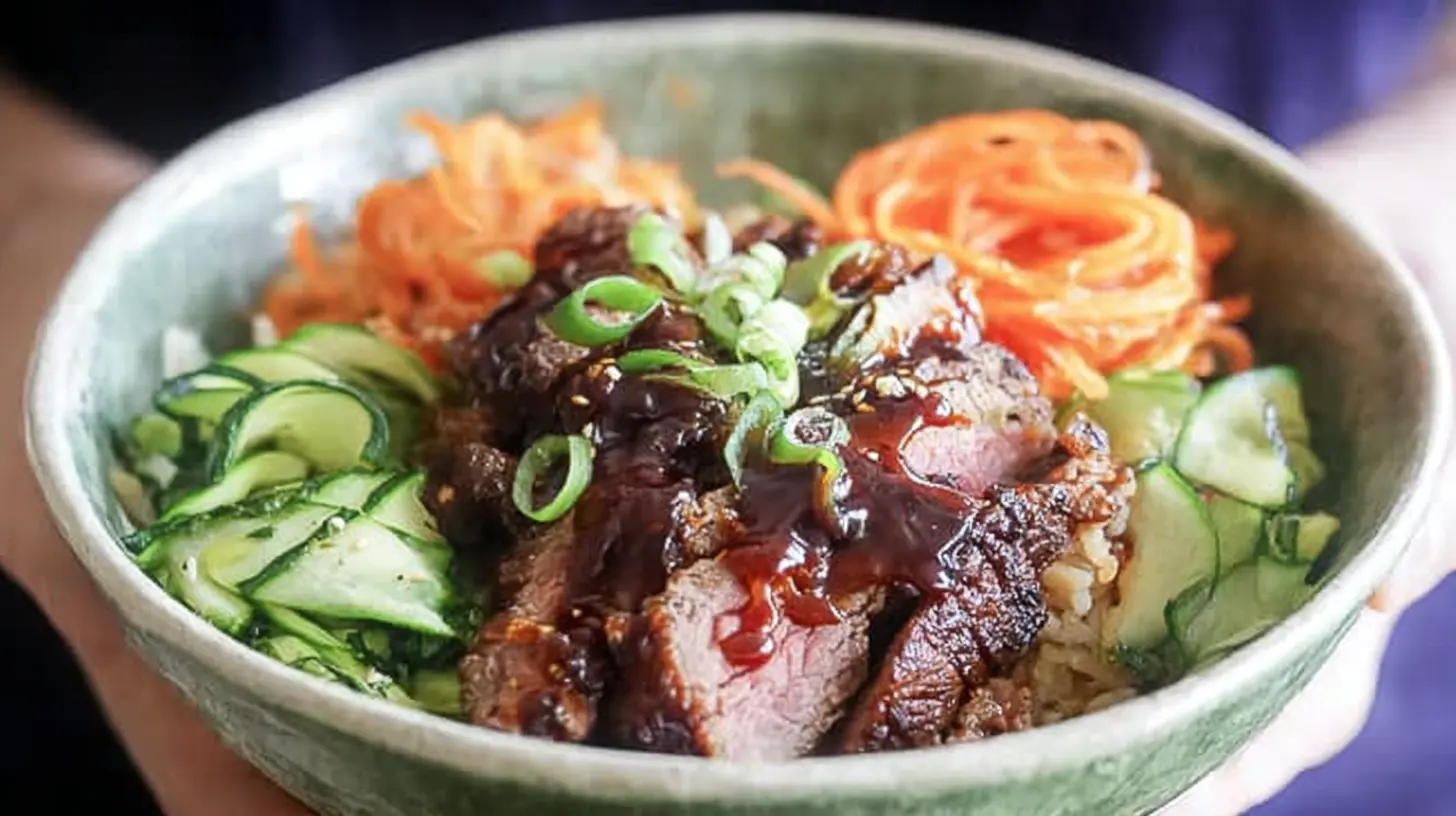
My first encounter with Korean BBQ Steak Rice Bowls was purely accidental. I was out with a friend, skeptical about trying something new, but the vibrant colors and sizzling aroma coming from a nearby table were too enticing to ignore. One bite, and I was hooked – the perfect blend of savory, sweet, and just a hint of spice, all piled over fluffy rice. It was an instant favorite, and I’ve been recreating that magic in my kitchen ever since. If you’re looking to bring that same delicious experience home, you’ve come to the right place. These three easy Korean BBQ Steak Rice Bowl recipes are designed to make weeknight cooking exciting, flavorful, and surprisingly simple.
Why You’ll Love This Dish
There’s a reason Korean BBQ Steak Rice Bowls have captured so many hearts (and appetites!). This isn’t just another weeknight meal; it’s an experience. First off, the flavor explosion is undeniable – think perfectly marinated, tender steak, often with a irresistible caramelization, paired with fresh veggies and a delightful sauce. Secondly, they’re incredibly customizable. Don’t like bell peppers? Swap them for edamame! Want more heat? Add extra gochujang. And for those busy evenings, these bowls are a complete meal in one, making cleanup a breeze. They’re perfect for a quick, satisfying dinner after a long day, or even a fun, interactive weekend meal where everyone can build their own bowl.
> “I thought making Korean BBQ at home would be super complicated, but these recipes made it so easy! My family devoured them, and even my picky eater asked for seconds. Definitely a new go-to!”
The Cooking Process Explained
Making Korean BBQ Steak Rice Bowls might sound elaborate, but it’s fundamentally quite straightforward. Each of our three recipes follows a similar, easy-to-manage flow. You’ll begin by marinating your steak, which infuses it with those signature Korean BBQ flavors and helps tenderize the meat. While the steak is soaking up all that goodness, you’ll prepare your rice and any fresh vegetables or toppings. The steak then gets a quick sear or stir-fry, often caramelizing beautifully, before being sliced and arranged over your hot rice. Finally, a drizzle of sauce and your chosen garnishes complete the bowl. It’s a symphony of steps that come together harmoniously for a truly delicious result.
What You’ll Need
For the Steak:
- 1 lb sirloin, flank, or thinly sliced ribeye steak
- 1/4 cup soy sauce (low sodium preferred)
- 2 tbsp brown sugar or honey
- 1 tbsp sesame oil
- 2 cloves garlic, minced
- 1 tsp fresh ginger, grated
- 1 tbsp rice vinegar (optional, for brightness)
- Pinch of black pepper
- (Optional for spice) 1 tsp gochujang (Korean chili paste)
For the Rice:
- 2 cups uncooked short-grain white rice (sushi rice works well)
- Water, as per package instructions
For the Basic Toppings (Recipe 1 – Classic Bowl):
- 1 cup kimchi
- 1/2 English cucumber, thinly sliced
- 1 carrot, julienned
- 2 green onions, sliced
- Sesame seeds for garnish
For the Spicy Mayo Toppings (Recipe 2 – Spicy Kick Bowl):
- 1/2 cup mayonnaise
- 1-2 tbsp gochujang (adjust to taste)
- 1 tsp rice vinegar
- 1 cup shredded red cabbage
- 1 avocado, sliced
- Crispy fried onions for garnish
For the Teriyaki-Style Toppings (Recipe 3 – Sweet & Savory Bowl):
- 1/4 cup teriyaki sauce (store-bought or homemade)
- 1/2 cup edamame, shelled
- 1/2 red bell pepper, thinly sliced
- A handful of fresh cilantro, chopped
- Crushed peanuts for garnish
Directions to Follow
Let’s break down how to create these fantastic Korean BBQ Steak Rice Bowls.
- Prepare the Steak Marinade: In a shallow dish or zip-top bag, whisk together the soy sauce, brown sugar or honey, sesame oil, minced garlic, grated ginger, rice vinegar (if using), and black pepper. If making the Spicy Kick Bowl, add the gochujang to the marinade at this stage.
- Marinate the Steak: Slice the steak thinly against the grain into bite-sized pieces. Add the steak to the marinade, ensuring all pieces are fully coated. Cover and refrigerate for at least 30 minutes, or up to 4 hours for deeper flavor.
- Cook the Rice: While the steak marinates, prepare your rice according to package directions. For best results, rinse the rice thoroughly before cooking until the water runs clear. Set aside once cooked.
- Prepare Toppings:
- Classic Bowl: Slice cucumber and julienne carrot. Slice green onions.
- Spicy Kick Bowl: In a small bowl, whisk together mayonnaise, gochujang, and rice vinegar to make the spicy mayo. Shred red cabbage and slice avocado.
- Sweet & Savory Bowl: If making teriyaki sauce from scratch, prepare it now. Steam or microwave edamame if frozen. Thinly slice the red bell pepper and chop cilantro.
- Cook the Steak: Heat a large skillet or wok over medium-high heat with a tablespoon of cooking oil. Once hot, add the marinated steak in a single layer (cook in batches if necessary to avoid overcrowding, which steams the meat instead of searing it). Cook for 2-3 minutes per side, or until beautifully browned and cooked to your desired doneness. The marinade will caramelize, giving it a fantastic char.
- Assemble the Bowls: Divide the hot cooked rice among serving bowls. Arrange the cooked steak over the rice.
- Add Toppings & Serve:
- Classic Bowl: Artfully arrange the kimchi, cucumber, carrot, and green onions around the steak. Sprinkle with sesame seeds.
- Spicy Kick Bowl: Drizzle generously with spicy mayo. Arrange shredded red cabbage and avocado slices. Top with crispy fried onions.
- Sweet & Savory Bowl: Drizzle with teriyaki sauce. Add edamame, sliced red bell pepper, and fresh cilantro. Garnish with crushed peanuts.
- Serve immediately and enjoy your homemade Korean BBQ Steak Rice Bowls!
How to Serve Korean BBQ Steak Rice Bowls
These bowls are practically a meal in themselves, but thinking about presentation and simple pairings can elevate the experience. Serve them in wide, shallow bowls to show off all the colorful toppings. A sprinkle of extra sesame seeds or a flourish of fresh cilantro always adds visual appeal. For a little something extra on the side, a simple miso soup makes a lovely complement, or a quick side salad with a ginger-sesame dressing. For those who enjoy an extra kick, a small dish of additional gochujang or sriracha can be offered tableside. Don’t forget chopsticks if you want to go for the authentic dining experience!
Keeping Leftovers Fresh
Leftover Korean BBQ Steak Rice Bowls are a delicious treat! To store, combine the steak and rice in an airtight container and refrigerate for up to 3 days. It’s often best to store any fresh, raw toppings (like cucumber, avocado, or cilantro) separately to prevent them from getting soggy or discolored. When you’re ready to eat, reheat the steak and rice in the microwave until warmed through, then fresh up with any reserved toppings. The cooked steak can also be frozen in an airtight container for up to 2 months; just be sure to thaw it in the refrigerator overnight before reheating.
Pro Chef Tips
- Thin Slicing is Key: For tender, quickly cooked steak, slice against the grain. If the steak is partially frozen, it’s much easier to get super thin, even slices. This allows the marinade to penetrate better and ensures quick cooking.
- Don’t Overcrowd the Pan: This is crucial for achieving that beautiful sear and caramelization on the steak. If you add too much meat to the pan at once, the temperature will drop, and the steak will steam instead of brown. Work in batches if necessary.
- Marinate for Flavor: While 30 minutes is a good start, longer marinating (up to 4 hours in the fridge) will result in more flavorful and tender meat.
- Taste and Adjust: Before serving, taste a piece of the cooked steak. Does it need a tiny splash more soy sauce for saltiness, or a touch of sesame oil for richness? A quick adjustment can make all the difference.
- Crisp Veggies: For fresh toppings like cucumber or cabbage, a quick soak in ice water for 10-15 minutes before serving can make them extra crisp and refreshing against the warm rice and steak.
Creative Twists
These three recipes are just starting points! Feel free to get creative and make these bowls truly your own.
- Protein Swap: Not a red meat fan? Try these marinades with thinly sliced chicken, pork, or even firm tofu for a vegetarian option.
- Grain Alternatives: While white rice is classic, brown rice, quinoa, or cauliflower rice can be excellent alternatives for different textures or dietary needs.
- Extra Veggies: Load up on your favorite vegetables! Sautéed mushrooms, spinach, or blanched broccoli would all be fantastic additions.
- Boost the Heat: For serious spice lovers, add a dash of red pepper flakes to the marinade, or drizzle with a spicier chili oil when serving.
- Egg Topping: A perfectly fried egg with a runny yolk or a soft-boiled egg adds a fantastic creamy richness to any of these bowls.
Common Questions
How long does it take to prepare these Korean BBQ Steak Rice Bowls?
With the marinating time, plan for about 45 minutes to an hour from start to finish for most of these recipes. The actual hands-on cooking time is closer to 20-30 minutes once the marinating is done.Can I make this gluten-free?
Absolutely! Substitute tamari for soy sauce in the marinade and check any pre-made sauces (like teriyaki) to ensure they are gluten-free. For gochujang, look for brands specifically labeled gluten-free, as some contain wheat.What kind of steak is best for Korean BBQ?
Thinly sliced cuts like sirloin, flank steak, or ribeye are excellent choices. They cook quickly and absorb the marinade well. If you can find pre-sliced “stir-fry” beef, that works perfectly too!Can I meal prep these bowls?
Yes, you can! Cook your rice and steak ahead of time. Store them separately from any fresh toppings like cucumber, avocado, or leafy greens. Reheat the steak and rice, then add your fresh toppings just before serving. The spicy mayo can also be made ahead and stored in the fridge.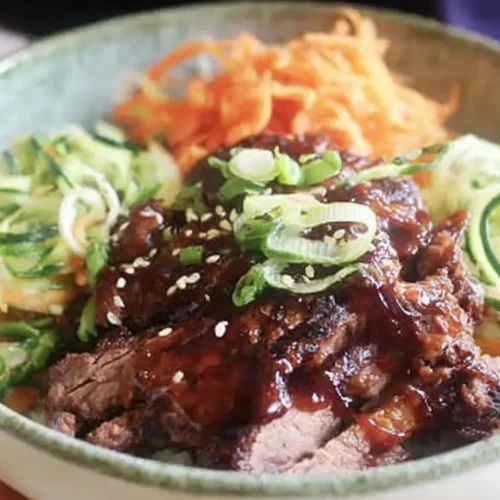
Classic Korean BBQ Steak Rice Bowls
Equipment
- medium bowl
- large skillet or wok
Ingredients
For the Steak:
- 1 lb sirloin or flank steak thinly sliced against the grain
- 1/4 cup soy sauce (or tamari for gluten-free)
- 2 tbsp brown sugar
- 1 tbsp sesame oil
- 2 cloves garlic minced
- 1 tbsp fresh ginger grated
- 1/2 Asian pear or small apple grated (optional)
- 1 tbsp gochujang (Korean chili paste, optional)
- 1 tbsp rice vinegar
For the Bowls:
- 2 cups cooked jasmine or sushi rice
- 1 cup shredded carrots
- 1 cup sliced cucumber
- 1/2 cup kimchi (optional)
- 2 green onions thinly sliced
- 1 tbsp toasted sesame seeds
Instructions
Marinate the Steak
- Whisk together soy sauce, brown sugar, sesame oil, minced garlic, grated ginger, grated pear/apple, gochujang, and rice vinegar in a bowl.
- Add the sliced steak, ensuring it’s coated, then cover and refrigerate for 30 minutes to 4 hours.
Cook the Rice
- Prepare jasmine or sushi rice according to package directions.
Prepare Toppings
- While the steak marinates and rice cooks, shred carrots, slice cucumber, chop green onions, and prepare kimchi.
Cook the Steak
- Heat a large skillet or wok over medium-high heat, adding oil if needed.
- Add steak in a single layer, cooking in batches for 1-2 minutes per side until caramelized and cooked through.
Assemble the Bowls
- Divide cooked rice among bowls, then top with steak.
- Arrange carrots, cucumber, and kimchi around the steak, then garnish with green onions and sesame seeds. Serve immediately.