
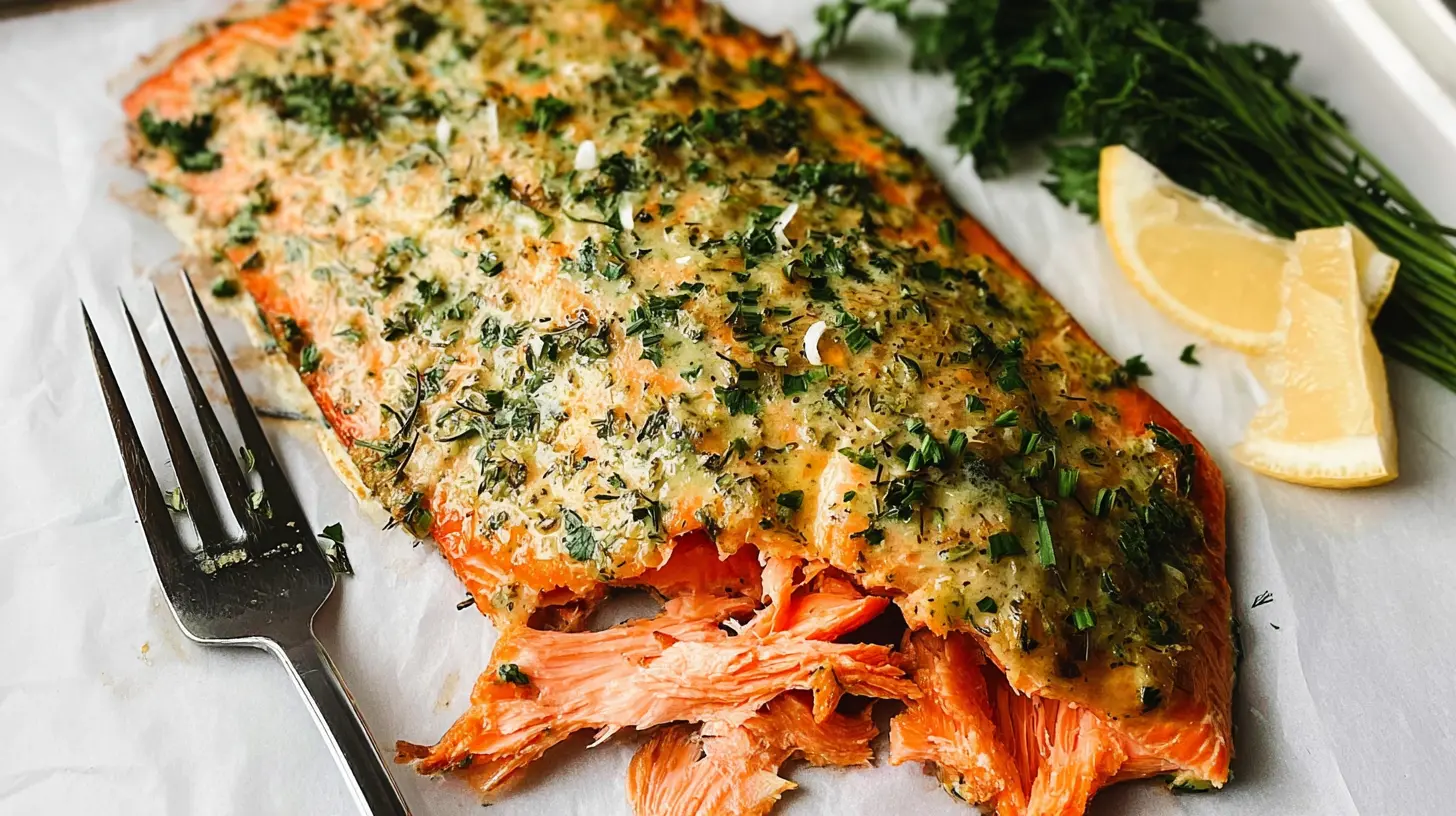
I used to dread cooking salmon. It felt like a gamble – would it be perfectly flaky and moist, or a dry, overcooked disappointment? After countless attempts and a few less-than-stellar dinners, I finally landed on the method. This Juicy Baked Salmon Recipe isn’t just another fish dish; it’s the culmination of those trials, ensuring that every bite is tender, flavorful, and, most importantly, incredibly juicy. If you’ve ever struggled with salmon, or just want a consistently amazing meal in a flash, you’re in the right place.
Why You’ll Love This Dish
This isn’t just any salmon recipe; it’s one that addresses all the common pitfalls and elevates your dinner experience. First off, it’s incredibly quick – we’re talking about getting a gourmet-tasting meal on the table in under 30 minutes, perfect for those bustling weeknights. Secondly, it’s undeniably healthy, packed with omega-3 fatty acids and lean protein, making it a fantastic choice for anyone looking to fuel their body well.
Beyond speed and health, the real magic here is the flavor and texture. We’ve cracked the code to ensure your salmon is never dry, always flaky, and brimming with a delicate, savory taste that even fish skeptics will adore. It’s also endlessly adaptable, allowing you to tweak the seasonings to suit your mood.
> “I used to shy away from cooking fish at home, but this Juicy Baked Salmon Recipe changed everything! It’s so easy, and the salmon comes out perfectly moist every single time. My family raves about it!”
> — A happy home cook
Preparing Juicy Baked Salmon
The beauty of this recipe lies in its simplicity. You’ll start by preheating your oven and preparing your salmon fillets. This usually involves patting them dry – a crucial step for achieving that beautiful, slightly crispy exterior. Then, you’ll whisk together a simple yet incredibly flavorful marinade or seasoning blend. Once the salmon is coated, it’s off to the oven for a relatively short bake. The timing is key here, and we’ll walk you through how to get it just right so your salmon is cooked through but still wonderfully moist.
What You’ll Need
To whip up this fantastic meal, gather these items:
- Salmon Fillets: About 1.5 lbs, skin-on or off, preferably wild-caught for best flavor and nutritional benefits. Aim for fillets that are roughly even in thickness for uniform cooking.
- Olive Oil: A good quality extra virgin olive oil to help with crisping and flavor.
- Lemon: One fresh lemon, for juice and optional slices for baking.
- Garlic: 2-3 cloves, minced, for an aromatic boost.
- Fresh Herbs: Such as dill, parsley, or chives, finely chopped (about 2 tablespoons). Fresh makes a big difference here!
- Salt & Black Pepper: To taste, of course.
- Optional Seasonings: Paprika, onion powder, or a pinch of red pepper flakes for a little kick.
Directions to Follow
Here’s how to achieve that perfectly juicy baked salmon:
- Preheat & Prep: Preheat your oven to 400°F (200°C). Line a baking sheet with parchment paper or foil for easy cleanup.
- Pat Dry: Gently pat your salmon fillets dry with paper towels. This step is super important as it helps the skin crisp up and the seasonings adhere better.
- Create the Flavor Base: In a small bowl, whisk together the olive oil, minced garlic, lemon juice, chopped fresh herbs, salt, and pepper. If using, add any optional seasonings like paprika.
- Season the Salmon: Place the salmon fillets on the prepared baking sheet. Spoon the olive oil mixture evenly over the top of each fillet, ensuring they are well coated. If you have skin-on salmon, you can also gently rub some of the mixture onto the skin side.
- Bake to Perfection: Bake for 12-18 minutes, depending on the thickness of your fillets. A good rule of thumb is 4-6 minutes per half-inch of thickness. The salmon is done when it flakes easily with a fork and reaches an internal temperature of 145°F (63°C). Be careful not to overcook!
- Rest & Serve: Once cooked, remove the salmon from the oven and let it rest for 2-3 minutes before serving. This allows the juices to redistribute, ensuring maximum moistness.
Best Ways to Enjoy It
This Juicy Baked Salmon is a star on its own, but it truly shines when paired with the right accompaniments. For a classic healthy meal, serve it alongside a vibrant green salad with a light vinaigrette or some steamed asparagus. Roasted vegetables like broccoli, Brussels sprouts, or sweet potatoes also make excellent partners, adding both flavor and substance.
If you’re looking for something a bit heartier, consider serving it with a fluffy bed of quinoa or a light lemon-herb couscous. For an extra touch of elegance, a dollop of crème fraîche or a sprinkle of extra fresh dill can really elevate the presentation and flavor profile.
Storage and Reheating Tips
Cooked salmon is best enjoyed fresh, but if you have leftovers, store them properly to maintain quality.
Storage: Allow the salmon to cool completely. Transfer it to an airtight container and refrigerate for up to 2-3 days.
Reheating: To prevent drying out, gently reheat leftover salmon. The best methods are:
- Oven: Place salmon on a baking sheet, tent loosely with foil, and warm in a preheated 275°F (135°C) oven for about 10-15 minutes, or until just heated through.
- Microwave: Heat on a low setting in short bursts (30 seconds at a time) until warm, being careful not to overcook.
- Flaked: Leftover salmon is also fantastic flaked cold over a salad or mixed into a salmon salad sandwich!
Freezing: Freezing cooked salmon is generally not recommended as it can significantly alter the texture upon thawing, often resulting in a drier product. It’s best to enjoy this recipe fresh or within a couple of days.
Helpful Cooking Tips
Achieving truly juicy baked salmon every time involves a few clever tricks:
- Don’t Skip Patting Dry: This is really crucial! Moisture on the surface steams the fish instead of allowing it to develop a nice crust.
- Even Thickness Matters: If your salmon fillet is much thicker at one end, you can gently fold the thinner part under itself to create a more even thickness. This ensures consistent cooking.
- Don’t Overcrowd the Pan: Give your salmon fillets space on the baking sheet. If they’re too close, they’ll steam instead of bake, hindering that lovely browning.
- Internal Temperature is Your Friend: While visual cues like flaking are good, an instant-read thermometer is your best friend for perfectly cooked fish. Aim for 145°F (63°C) at the thickest part. Remove it just before it hits this, as it will continue to cook slightly from residual heat.
- Let It Rest: Just like with steak or chicken, letting the salmon rest for a few minutes after baking allows the juices to redistribute, leading to a much juicier result.
Creative Twists
This basic recipe is a fantastic starting point, but don’t hesitate to get creative with your flavors:
- Spicy Kick: Add a pinch of cayenne pepper, red pepper flakes, or a dash of hot sauce to your marinade.
- Asian Inspired: Swap olive oil for sesame oil, add a splash of soy sauce (or tamari for gluten-free), a grating of fresh ginger, and a sprinkle of sesame seeds.
- Mediterranean Flair: Introduce chopped cherry tomatoes, Kalamata olives, a sprinkle of oregano, and finish with crumbled feta cheese after baking.
- Herb Variations: Beyond dill and parsley, consider rosemary, thyme, or chives. A combination can often be delightful!
- Citrus Burst: Experiment with other citrus fruits like orange or lime alongside or instead of lemon. Zest can also add a brighter flavor.
Your Questions Answered
How do I know when my salmon is perfectly cooked?
The best way to tell is by checking its internal temperature with an instant-read thermometer – it should reach 145°F (63°C) at the thickest part. Alternatively, gently press a fork into the thickest part; if it flakes easily, it’s done. The flesh should be opaque throughout but still look moist.
Can I make this recipe with frozen salmon?
Absolutely! Just make sure your frozen salmon fillets are completely thawed before seasoning and baking. Thaw them overnight in the refrigerator or submerged in cold water (in their packaging) for a few hours. Patting them very dry after thawing is even more crucial.
What if I don’t have fresh herbs?
While fresh herbs definitely elevate the flavor, you can use dried herbs in a pinch. Remember that dried herbs are more potent, so use about one-third of the amount called for fresh (e.g., 1 teaspoon dried dill for 1 tablespoon fresh).
Can I make this ahead of time?
You can prepare the seasoning mixture up to a day in advance and store it in the refrigerator. However, for the best texture and juiciness, it’s recommended to season the salmon just before baking rather than letting it marinate too long.
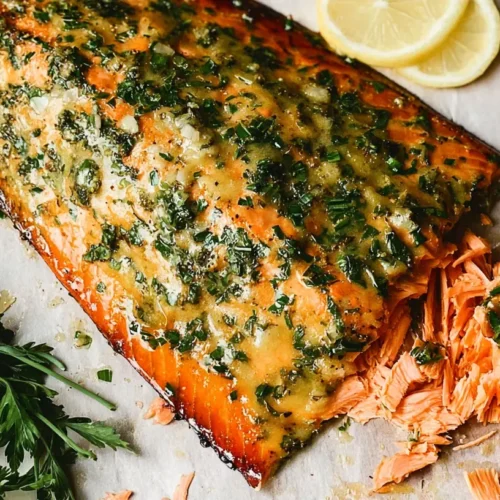
Classic Juicy Baked Salmon Recipe
Equipment
- Oven
- Baking Sheet
- Parchment Paper or Aluminum Foil
- Small Bowl
- Whisk
- Paper Towels
Ingredients
Main Ingredients
- 1.5 lbs Salmon Fillets (skin-on or off, divided into 4-6 oz portions)
- 2 tablespoons Olive Oil
- 1 Lemon (thinly sliced, plus 1 tablespoon fresh juice)
- 3 cloves Garlic (minced)
- 1 teaspoon Dried Dill (or 2 teaspoons fresh, chopped)
- 0.5 teaspoon Paprika
- 0.5 teaspoon Salt (or to taste)
- 0.25 teaspoon Black Pepper (or to taste)
- Fresh parsley or chives (Optional: for garnish)
Instructions
Instructions
- Preheat your oven to 400°F (200°C) and line a baking sheet with parchment paper or foil for easy cleanup.
- Pat the salmon fillets dry with paper towels to help the seasoning stick and create a better texture.
- In a small bowl, whisk together olive oil, lemon juice, minced garlic, dried dill, paprika, salt, and black pepper to create the seasoning mix.
- Place the salmon fillets on the prepared baking sheet and spoon the seasoning mixture evenly over each fillet, ensuring they are well coated.
- Arrange lemon slices on top of each salmon fillet to infuse citrus flavor and keep the fish moist.
- Bake for 12-18 minutes until the salmon flakes easily with a fork and reaches an internal temperature of 145°F (63°C).
- Remove from the oven, let rest for 2-3 minutes, and garnish with fresh parsley or chives if desired before serving.