
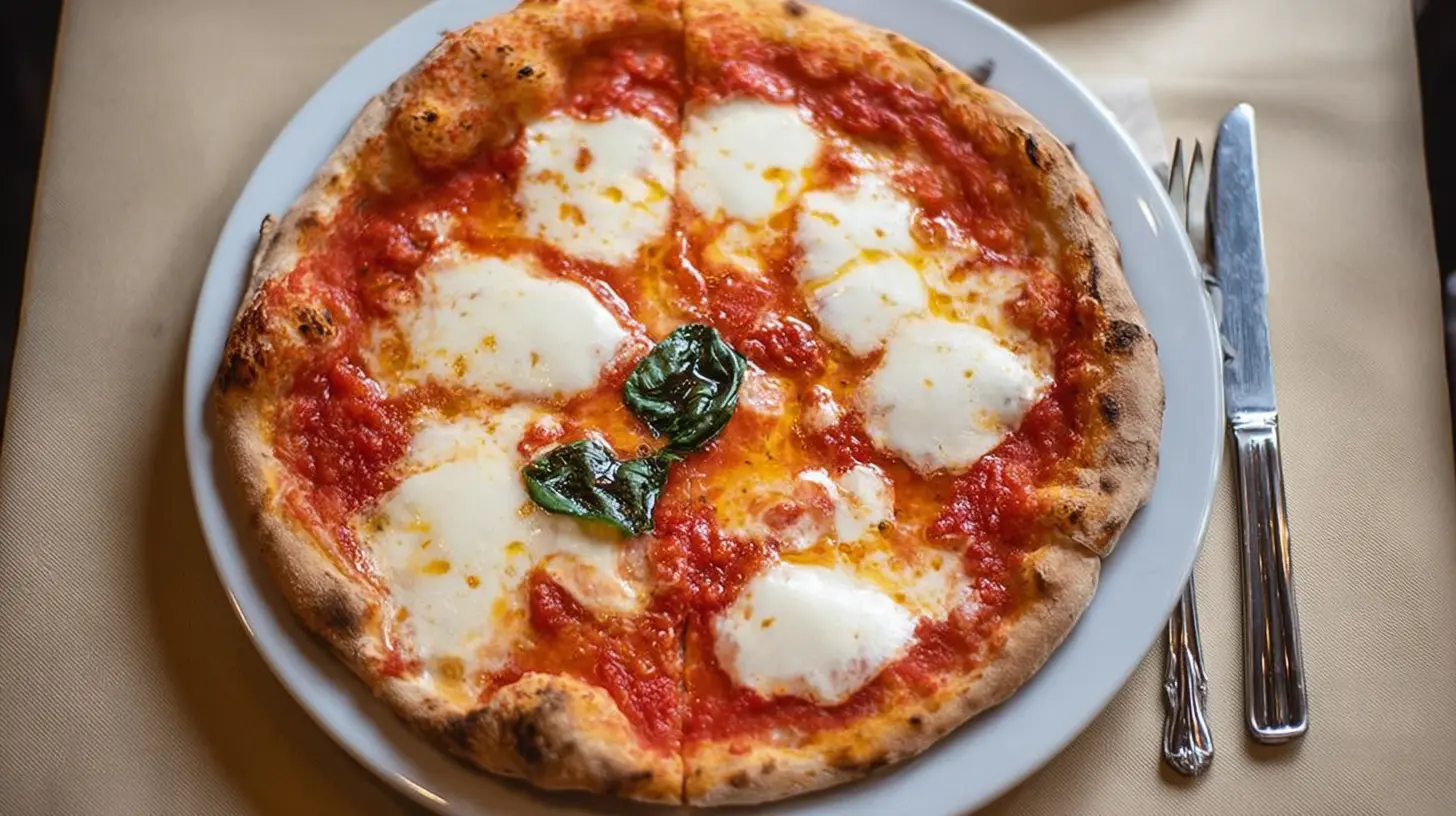
I’ve always believed that to truly understand Italy, you need to eat your way through it, and there’s no better vehicle for that culinary journey than pizza. Forget everything you thought you knew about pizza being just one thing. My first trip to Naples, biting into a simple Margherita, utterly transformed my perspective. It was more than just dough, sauce, and cheese; it was history, passion, and tradition in every perfect, blistered bite. From that moment, I realized the vast, delectable world of Italian pizza extended far beyond the familiar. If you’re ready to dive deep into the incredibly diverse and utterly delicious universe of authentic Italian pizza, you’re in for a treat.
Why You’ll Love This Dish
This isn’t just another pizza article; it’s a passport to Italy’s culinary soul, one slice at a time. We’re venturing beyond the well-trodden paths to explore the incredible regional diversity that makes Italian pizza so special. You’ll be discovering not just recipes, but stories, traditions, and unique flavor profiles that reflect their origins. This guide is perfect for the adventurous home cook, the passionate food lover, or anyone dreaming of their next Italian escape. We’ll demystify what makes a Roman pizza different from a Sicilian one, and why each regional variant holds a cherished place in Italy’s gastronomic heart.
> “I thought I knew pizza, but exploring these regional Italian variations was like discovering a whole new cuisine! Each one tells a story and offers such a unique flavor experience.” – A Satisfied Culinary Explorer
The Cooking Process Explained
Embarking on a journey through Italy’s regional pizzas means understanding that while the core components (dough, sauce, cheese) remain, the preparation and execution vary significantly. Generally, you’ll start with a carefully crafted dough, often differing in hydration and leavening times depending on the region. Some call for a quick rise, others a long, slow fermentation. Next comes the assembly, where toppings are chosen precisely, reflecting local produce and culinary traditions. Finally, the baking – whether in a super-hot wood-fired oven for a Neapolitan classic or a conventional home oven for a Roman ‘pizza in teglia’ – is crucial to achieving that perfect texture and taste. The beauty lies in appreciating these subtle yet impactful differences.
What You’ll Need
To explore the diverse world of Italian pizza, you’ll need a range of ingredients, some common, others more specific to certain regions. Here’s a general overview; precise ingredients will vary for each regional pizza style.
Key Ingredients:
- Flour: “00” flour, strong bread flour, or even semolina for some varieties.
- Yeast: Active dry yeast or fresh yeast.
- Water: Lukewarm for activating yeast, cold for slow fermentation.
- Salt: Fine sea salt is usually preferred.
- Olive Oil: Extra Virgin Olive Oil, always.
- Tomatoes: San Marzano DOP canned tomatoes for classic sauces, fresh cherry tomatoes for others.
- Cheeses: Fresh mozzarella (Fior di Latte or Mozzarella di Bufala), Pecorino Romano, Provolone, Caciocavallo, Ricotta.
- Cured Meats: Prosciutto Crudo, Pancetta, Salame.
- Vegetables: Artichokes, mushrooms, olives, bell peppers, eggplant, zucchini, onions, fresh basil.
- Herbs & Spices: Oregano, chilli flakes, black pepper.
Directions to Follow
Instead of providing one set of directions, let’s explore the essence of the process for 10 distinct regional Italian pizzas. Each will have its own nuanced method, but here’s a snapshot of what you might encounter:
- Pizza Napoletana (Naples, Campania):
- Dough: High hydration “00” flour dough, slow fermented, hand-stretched very thin in the center, thicker rim.
- Toppings: Simple – San Marzano tomatoes, fresh mozzarella (fior di latte or bufala), basil, olive oil.
- Baking: Cooked very quickly (60-90 seconds) at extremely high temperatures (800-950°F / 425-500°C) in a wood-fired oven.
- Pizza Romana Tonda (Rome, Lazio):
- Dough: Lower hydration dough, often with a touch of olive oil, resulting in a thin, crispy crust.
- Toppings: Classic “margherita” or “capricciosa” (ham, mushrooms, artichokes, olives).
- Baking: Baked at high temperatures in an electric or gas oven until golden and crisp.
- Pizza al Taglio / Pizza in Teglia (Rome, Lazio):
- Dough: High hydration, often with a longer fermentation, baked in large rectangular trays.
- Toppings: Wide variety, from simple tomato to gourmet combinations, often added after initial baking.
- Baking: Longer bake at moderate temperatures, yielding a light, airy, and chewy crust.
- Schiacciata (Tuscany):
- Dough: Similar to focaccia, often enriched with olive oil, dimpled deeply.
- Toppings: Coarse sea salt, rosemary, sometimes thin slices of cured meats or fresh tomatoes before baking.
- Baking: Baked until golden and slightly crunchy on the outside, soft within.
- Pizza Fritta (Naples, Campania):
- Dough: Classic Neapolitan pizza dough.
- Toppings: Ricotta, smoked provola, cicoli (cured pork cracklings), tomato, pepper.
- Baking: Deep-fried until puffed and golden.
- Pizza Siciliana / Sfincione (Sicily):
- Dough: Thick, spongy, bread-like base, often fermented.
- Toppings: Often cheeseless base, topped with robust tomato sauce, onions, anchovies, breadcrumbs, caciocavallo.
- Baking: Baked in a rectangular pan, resulting in a hearty, flavorful pie.
- Pizza Pugliese (Puglia):
- Dough: Often incorporates semolina flour, leading to a firmer, chewier crust.
- Toppings: Usually very simple, with local cherry tomatoes, fresh mozzarella, oregano, and strong olive oil.
- Baking: Baked to perfection, highlighting the quality of local ingredients.
- Focaccia di Recco (Liguria):
- Dough: Extremely thin, unleavened dough, almost like phyllo.
- Toppings: Filled with Stracchino cheese between two layers of dough.
- Baking: Baked quickly until the cheese is melted and bubbling, and the crust is blistered.
- Pizza Pantesca (Pantelleria, Sicily):
- Dough: A rustic, yeasted dough.
- Toppings: Often features local ingredients like capers, oregano, cherry tomatoes, salted anchovies, and fresh oregano.
- Baking: A simple, flavorful pizza showcasing the island’s produce.
- Calzone (Naples, Campania):
- Dough: Classic Neapolitan pizza dough.
- Toppings: Folded in half, typically filled with ricotta, mozzarella, salami, ham, or vegetables.
- Baking: Baked until golden brown and the filling is hot and melted.
Best Ways to Enjoy It
The beauty of these regional Italian pizzas lies not just in their taste but in the experience of eating them.
- Neapolitan Pizza: Best eaten fresh, hot out of the oven, often folded “a portafoglio” (like a wallet) for easy street eating. Pair with a crisp, dry white wine like Falanghina or a light Italian beer.
- Roman Pizza (Tonda): Enjoyed as a sit-down meal, typically cut into wedges. A red wine from Lazio, like Cesanese, or a classic Peroni beer would be ideal.
- Pizza al Taglio: Sliced by weight and eaten on the go, making it perfect for a quick lunch or snack. It’s often enjoyed with nothing more than a sparkling water or a cold soda.
- Schiacciata: Fantastic on its own as a snack, or split open and filled with prosciutto and soft cheeses for a rustic sandwich.
- Sfincione: A hearty, satisfying meal on its own, especially popular during festive periods in Sicily.
- Pairing: Generally, lighter, fresher pizzas go well with lighter wines (Vermentino, Pinot Grigio) or pale lagers. Heartier, richer pizzas can stand up to medium-bodied reds (Chianti, Nero d’Avola) or amber ales.
How to Store & Freeze
Storing Italian pizza properly depends on the style.
- Leftovers: Most leftover pizzas (Neapolitan, Roman, Pugliese, et al.) are best stored in an airtight container in the refrigerator for up to 2-3 days. The crust will inevitably lose some of its crispness.
- Reheating:
- Oven: The best method. Place slices directly on a baking sheet or oven rack in a preheated oven (around 350°F / 175°C) for 5-10 minutes, or until cheese is bubbling and crust is slightly crisp.
- Skillet: For a crispy bottom, heat a cast-iron skillet over medium heat, add the slice, cover for a few minutes to melt the cheese, then uncover to re-crisp the base.
- Microwave: Not recommended for quality, as it often leads to a soggy crust.
- Freezing: Freezing fully cooked pizza slices is generally not ideal as the texture significantly degrades upon thawing and reheating. However, some thicker-crusted pizzas like Sfincione or Pizza al Taglio might freeze slightly better for up to 1-2 months, wrapped tightly. For best results, freeze individual slices flat on a tray until solid, then transfer to a freezer-safe bag. Reheat from frozen in a preheated oven.
Helpful Cooking Tips
- Understand Your Dough: This is the heart of Italian pizza. Pay attention to hydration levels (how much water relative to flour) and fermentation times. A longer, colder fermentation often leads to better flavor and digestibility.
- Heat is Key: For truly authentic results, especially with Neapolitan style, you need high heat. If you don’t have a pizza oven, preheat your regular oven to its highest setting with a pizza stone or steel inside for at least an hour before baking.
- Source Quality Ingredients: Italians are passionate about ingredients. San Marzano tomatoes, fresh mozzarella (Fior di Latte or di Bufala), and good quality olive oil make a huge difference.
- Don’t Over-Top: Simplicity is often the hallmark of great Italian pizza. Let a few high-quality ingredients shine rather than overloading the crust.
- Handle Dough Gently: Especially with Neapolitan style, avoid using a rolling pin. Hand-stretch the dough to preserve the air bubbles for a light, airy crust.
- Practice Makes Perfect: Dough handling and baking times take practice. Don’t get discouraged if your first few attempts aren’t perfect.
Creative Twists
While the true essence of these regional pizzas lies in their tradition, once you’ve mastered the basics, you can certainly experiment with flavor combinations inspired by local produce or personal preferences.
- Vegetarian Variety: Explore toppings like roasted seasonal vegetables (zucchini, bell peppers, eggplant), wild mushrooms, or various types of olives. A white pizza (bianca) with just olive oil, rosemary, and sea salt is a beautiful canvas.
- Gourmet Additions (respectfully!): Consider adding a drizzle of truffle oil to a simple mushroom pizza, a sprinkle of high-quality parmesan after baking, or fresh burrata torn over a classic Margherita as it comes out of the oven.
- Spice It Up: A pinch of Calabrian chili flakes can add a welcome kick to many regional styles.
- Dessert Pizza Inspired by Focaccia: A sweet schiacciata or focaccia topped with fresh fruit, a drizzle of honey, or even Nutella after baking (often served in Italy, particularly for children).
Common Questions
What’s the main difference between Neapolitan and Roman pizza?
A: The most significant differences are in the crust. Neapolitan pizza has a very soft, pliable, and airy crust with a prominent, puffy ‘cornicione’ (rim), often slightly charred from the high heat. Roman pizza (Tonda) has a much thinner, crispier crust that’s flatter and more brittle, often extending almost to the very edge. The dough recipes and baking methods also differ to achieve these textures.Can I make these regional pizzas without a pizza oven?
A: Absolutely! While a wood-fired oven provides the most authentic Neapolitan experience due to its extreme heat, you can achieve excellent results for most regional styles in a conventional home oven set to its highest temperature, ideally with a preheated pizza stone or steel. For Pizza al Taglio or Sfincione, which already bake at lower temperatures in pans, a standard oven is perfectly suitable.What does “00” flour mean, and is it essential?
A: “00” flour refers to the fineness of the grind in Italian milling (00 being the finest) and often its protein content (usually medium-high, ideal for pizza). While “00” flour is traditional for many Italian pizzas, especially Neapolitan, you can use a good quality bread flour (which has high protein content for gluten development) as an alternative. The “00” flour creates a very smooth, elastic dough with a characteristic chewy and light texture when cooked.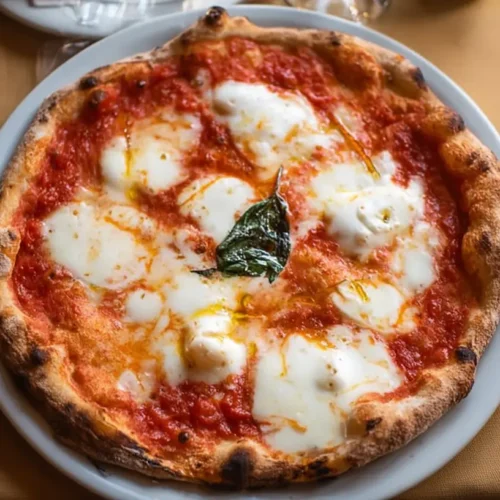
Pizza al Pesto e Pomodorini (Pesto and Cherry Tomato Pizza)
Equipment
- large bowl
- wooden spoon
- plastic wrap
- baking sheet
- pizza stone or steel
- parchment paper or pizza peel
Ingredients
For the Dough
- 1.25 cups warm water
- 1 teaspoon sugar
- 2 teaspoons active dry yeast
- 2 tablespoons olive oil (extra virgin)
- 1 teaspoon salt
- 3.5 cups “00” flour (or all-purpose)
For the Toppings
- 0.5 cup prepared pesto
- 1 cup fresh mozzarella torn into small pieces
- 1 cup cherry tomatoes halved
- 0.25 cup grated Parmesan cheese (Parmigiano Reggiano)
- Fresh basil leaves for garnish
- Extra virgin olive oil for drizzling
Instructions
Prepare the Dough
- Dissolve sugar and yeast in warm water, then let it stand until foamy.
- Stir in olive oil and salt, then gradually add flour and mix until a shaggy dough forms.
- Knead the dough on a floured surface for 8-10 minutes until it is smooth and elastic.
- Lightly oil a bowl, place the dough in it, cover with plastic wrap, and let it rise in a warm place for 1-1.5 hours until doubled.
- Gently punch down the dough, divide it into two portions, and roll each into a ball.
- Place dough balls on a floured baking sheet, cover loosely, and let rest for 30 minutes.
- Preheat your oven with a pizza stone or steel to its highest temperature (450-500°F / 230-260°C) for 30-60 minutes.
Assemble the Pizza
- Stretch one dough ball into a 10-12 inch round on a lightly floured surface, then transfer to parchment paper or a pizza peel.
- Spread half of the pesto evenly over the dough, leaving a small border for the crust.
- Scatter half of the torn fresh mozzarella, then arrange half of the halved cherry tomatoes over the pesto.
- Sprinkle half of the grated Parmesan cheese over the toppings.
Bake
- Slide the pizza onto the preheated pizza stone or steel and bake for 8-12 minutes.
- The pizza is done when the crust is golden brown, the cheese is bubbly and slightly browned, and the tomatoes are softened.
Finish and Serve
- Carefully remove the pizza from the oven, garnish with fresh basil leaves, and drizzle with extra virgin olive oil.
- Slice and serve immediately, repeating the process with the second dough ball and remaining ingredients.