
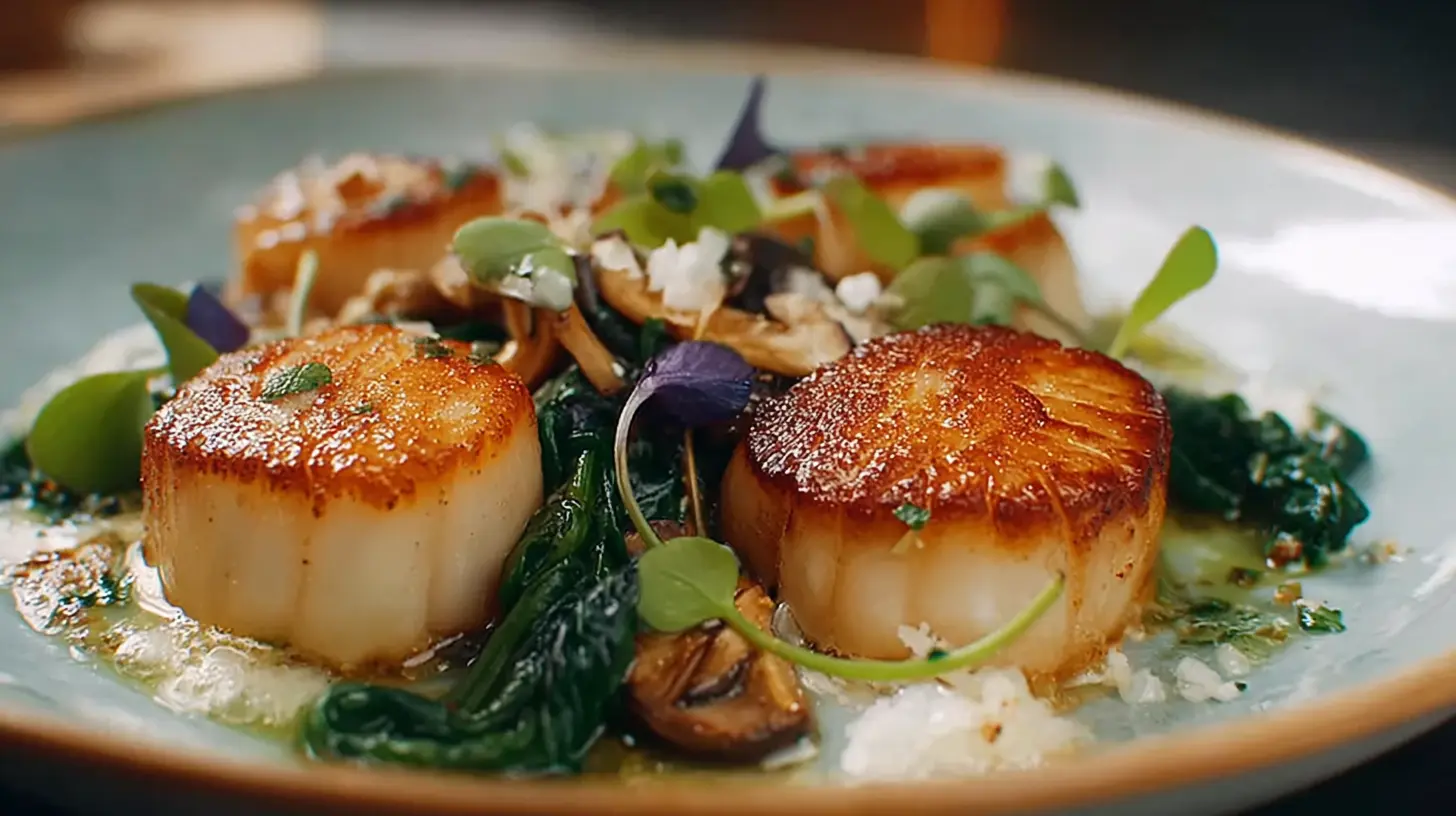
I still remember the first time I tried pan-seared scallops that were truly perfect. They had that incredible golden crust, a sweet, tender interior, and practically melted in my mouth. For years, I chased that elusive perfection in my own kitchen, often ending up with rubbery or pale results. That is until I delved into the master’s teachings – Gordon Ramsay. His method for pan-seared scallops isn’t just a recipe; it’s a technique, a philosophy even, that transforms a simple ingredient into a culinary masterpiece. If you’ve ever dreamt of recreating that restaurant-quality experience at home, you’re in the right place.
Why You’ll Love This Dish
There’s something undeniably impressive about perfectly cooked scallops. They’re elegant, surprisingly simple once you master the technique, and deliver an incredible return on effort. Gordon Ramsay’s approach specifically hones in on achieving that legendary crust and luscious, translucent center, often a challenge for home cooks. This isn’t just about cooking scallops; it’s about mastering a fundamental searing technique that can elevate countless other dishes. It’s quick enough for a weeknight but fancy enough to be a showstopper at a dinner party. And let’s be honest, who doesn’t want to say they can pan-sear like Ramsay?
> “I thought cooking scallops was beyond me, but this guide to Gordon Ramsay’s method made it so clear. My scallops now have that beautiful crust and are perfectly tender inside. It’s a game-changer!” – A Happy Home Cook
How This Recipe Comes Together
Creating Gordon Ramsay’s signature pan-seared scallops involves a few critical steps that focus on preparation and precise timing to achieve that coveted golden-brown crust and a sweet, tender interior. First, you’ll ensure your scallops are impeccably dry, which is absolutely non-negotiable for a good sear. Then, it’s all about getting your pan screaming hot with a judicious amount of fat, carefully placing the scallops, and resisting the urge to move them too soon. A quick flip and a luxurious butter baste finish them off, infusing them with incredible flavor and a beautiful sheen. It’s a surprisingly fast process, but each step is vital.
Key Ingredients
Here’s what you’ll need to create these exquisite scallops:
- Large Sea Scallops: Fresh or frozen (thawed completely and patted dry). Look for “dry-packed” if possible, as they contain less water.
- Neutral Oil: Such as grapeseed, canola, vegetable, or avocado oil, for searing.
- Unsalted Butter: For basting and adding richness.
- Fresh Garlic (optional): A clove or two, lightly smashed, for flavoring the butter.
- Fresh Thyme or Rosemary (optional): A sprig or two, for infusing the butter with aromatic notes.
- Salt: Flaky sea salt works wonderfully for finishing.
- Freshly Ground Black Pepper: To taste.
- Lemon Wedges: For serving, a squeeze of fresh lemon brightens everything.
Directions to Follow
Let’s get those scallops perfectly seared, just like Chef Ramsay would approve:
- Prepare the Scallops: The single most important step! Remove scallops from their packaging and place them on a plate lined with paper towels. Cover with more paper towels and gently press to absorb as much moisture as possible. Repeat this process with fresh paper towels if needed. You want them bone dry. Remove any small, tough muscle on the side of the scallop if present, as it won’t cook down.
- Seasoning: Lightly season both sides of the scallops with salt and freshly ground black pepper just before cooking.
- Heat the Pan: Place a heavy-bottomed, oven-safe pan (cast iron or stainless steel works best) over high heat. Allow it to heat for 2-3 minutes until it’s smoking slightly. This indicates it’s hot enough for a proper sear.
- Add Oil: Add a tablespoon or two of neutral oil to the hot pan. Swirl it around to coat the bottom. The oil should shimmer, but not smoke excessively right away.
- Sear the Scallops: Carefully place the scallops into the hot pan in a single layer, ensuring they are not overcrowded. Give them space. You should hear a distinct sizzle immediately. Do not touch them for 1.5 to 2 minutes! Let that crust form.
- Flip and Baste: After 1.5 to 2 minutes, check for a deep golden-brown crust. If developed, flip each scallop. Immediately add the butter to the pan, along with optional garlic and herb sprigs.
- Finish Cooking: As the butter melts and foams, tilt the pan slightly and use a spoon to continuously baste the scallops with the frothy butter for another 1 to 1.5 minutes. The scallops should be opaque on the outside and still slightly translucent in the very center when perfectly cooked.
- Rest and Serve: Remove the scallops from the pan and let them rest for a minute on a warm plate. A squeeze of fresh lemon juice just before serving is highly recommended.
How to Serve It
These pan-seared scallops are a star on their own, but they also pair beautifully with a variety of accompaniments. For a classic Ramsay-esque presentation, serve them simply with a sprinkle of flaky sea salt and a wedge of lemon. They’re excellent as an appetizer on a bed of delicate greens with a light vinaigrette. For a more substantial main course, consider serving them alongside something that provides a nice textural or flavor contrast:
- Creamy Risotto: A bright lemon or asparagus risotto would be divine.
- Cauliflower Puree: A silky smooth cauliflower puree offers an elegant, low-carb option.
- Sautéed Asparagus or Green Beans: Simple, fresh, and vibrant.
- Angel Hair Pasta: Tossed in a light garlic and white wine sauce.
- A Simple Grain Salad: Something with farro or quinoa.
Keeping Leftovers Fresh
Ideally, scallops are best enjoyed immediately after cooking to savor their perfect texture and flavor. Reheating can sometimes make them a bit rubbery. However, if you do have leftovers:
- Storage: Store cooked scallops in an airtight container in the refrigerator for up to 1-2 days.
- Reheating: To reheat, gently warm them in a non-stick pan over low heat with a tiny bit of butter or oil, or in a very low oven (around 250°F / 120°C) until just warmed through. Be careful not to overcook them, or they will become tough.
- Freezing: Freezing cooked scallops is generally not recommended as it significantly degrades their texture. Stick to freezing raw scallops if you plan to store them for longer periods. Always thaw raw scallops completely in the refrigerator before following the cooking steps above.
Helpful Cooking Tips
Achieving these perfect scallops isn’t magic, but it does require attention to a few critical details:
- Dryness is Key: I cannot emphasize this enough. Moisture is the enemy of a good sear. Pat, pat, pat those scallops dry! If they’re wet, they’ll steam instead of sear, and you’ll miss that glorious crust.
- Don’t Overcrowd the Pan: If you put too many scallops in the pan at once, the temperature of the pan will drop, and they’ll release their moisture, leading to steaming. Cook them in batches if necessary.
- Hot Pan, Hot Oil: Start with a very hot pan, then add your oil. This creates an immediate sear and prevents sticking.
- Hands Off! Once those scallops hit the pan, resist the urge to move them. Let them sit undisturbed for the initial sear to form that beautiful crust. Peeking too early can tear the crust.
- Know When They’re Done: Scallops cook quickly. They should be opaque on the outside with a golden crust, but still look slightly translucent in the very center. Overcooked scallops are tough and chewy.
- Use the Right Pan: A heavy-bottomed pan, like cast iron or stainless steel, retains heat well and ensures an even sear. Non-stick pans can work, but may not achieve as deep a crust.
Creative Twists
While Ramsay’s classic approach is fantastic, there’s always room to play with flavors:
- Spicy Kick: Infuse your basting butter with a pinch of red pepper flakes for a subtle heat.
- Citrus Zest: Add a tiny bit of orange or lime zest to the basting butter along with the lemon for a brighter, more complex citrus note.
- Herb Variations: Beyond thyme and rosemary, consider tarragon or a touch of finely chopped chives near the end of cooking.
- Brown Butter Sauce: Instead of just basting, let the butter get a little nuttier and browned before adding the scallops back in for a rich, deep flavor.
- Gremolata Finish: A sprinkle of classic gremolata (minced parsley, lemon zest, and garlic) over the top just before serving adds freshness and vibrancy.
- Asian Inspired: A splash of soy sauce or mirin to the pan at the very end, perhaps with some ginger, could provide an umami twist.
FAQ
Q1: Can I use frozen scallops for this recipe?
A1: Absolutely! Just make sure they are completely thawed in the refrigerator overnight. Once thawed, it’s crucial to pat them extremely dry with paper towels, even more so than fresh scallops, as they tend to retain more water. Any residual moisture will prevent a proper sear.
Q2: My scallops always stick to the pan. What am I doing wrong?
A2: The most common reasons for sticking are a pan that isn’t hot enough, not enough oil, or trying to move the scallops too soon. Ensure your pan is screaming hot before adding oil, and let the oil shimmer. Once the scallops are in, don’t touch them for at least 1.5-2 minutes; allowing a crust to form on the bottom helps them release naturally. A well-seasoned cast iron pan also helps prevent sticking.
Q3: How do I know when my scallops are perfectly cooked and not overcooked?
A3: Scallops cook very quickly. You’re looking for a beautiful golden-brown crust on both sides, with the outside opaque. When you cut into one, the center should still be slightly translucent, not completely white and firm. If it’s pure white throughout, it’s likely overcooked and will be rubbery. The total cooking time is usually just 3-4 minutes.

Classic Gordon Ramsay Pan-Seared Scallops
Equipment
- Paper Towels
- Heavy-Bottomed Pan (Cast Iron or Stainless Steel)
Ingredients
Main Ingredients
- 12 Fresh Sea Scallops large (U/10-U/20 count), dry-packed
- 1 tablespoon High-Heat Cooking Oil grapeseed, avocado, or light olive oil
- 2 tablespoons Unsalted Butter
- 1/2 teaspoon Salt fine sea salt or kosher salt
- 1/4 teaspoon Freshly Ground Black Pepper
- 2 Fresh Thyme sprigs
- 2 Smashed Garlic Cloves
- Lemon Wedges For serving
Instructions
Cooking Steps
- Pat the scallops very dry with paper towels, remove any tough side muscle, and season generously with salt and pepper on both sides.
- Heat a heavy-bottomed pan over medium-high to high heat, then add 1 tablespoon of high-heat cooking oil.
- Once the oil shimmers, place scallops in a single layer without overcrowding; sear for 2-3 minutes until a deep golden-brown crust forms.
- Flip the scallops, immediately add 1 tablespoon of unsalted butter and optional aromatics, then baste continuously for 1-2 minutes until cooked through and opaque.
- Remove scallops from the pan and serve immediately with a squeeze of fresh lemon juice.