
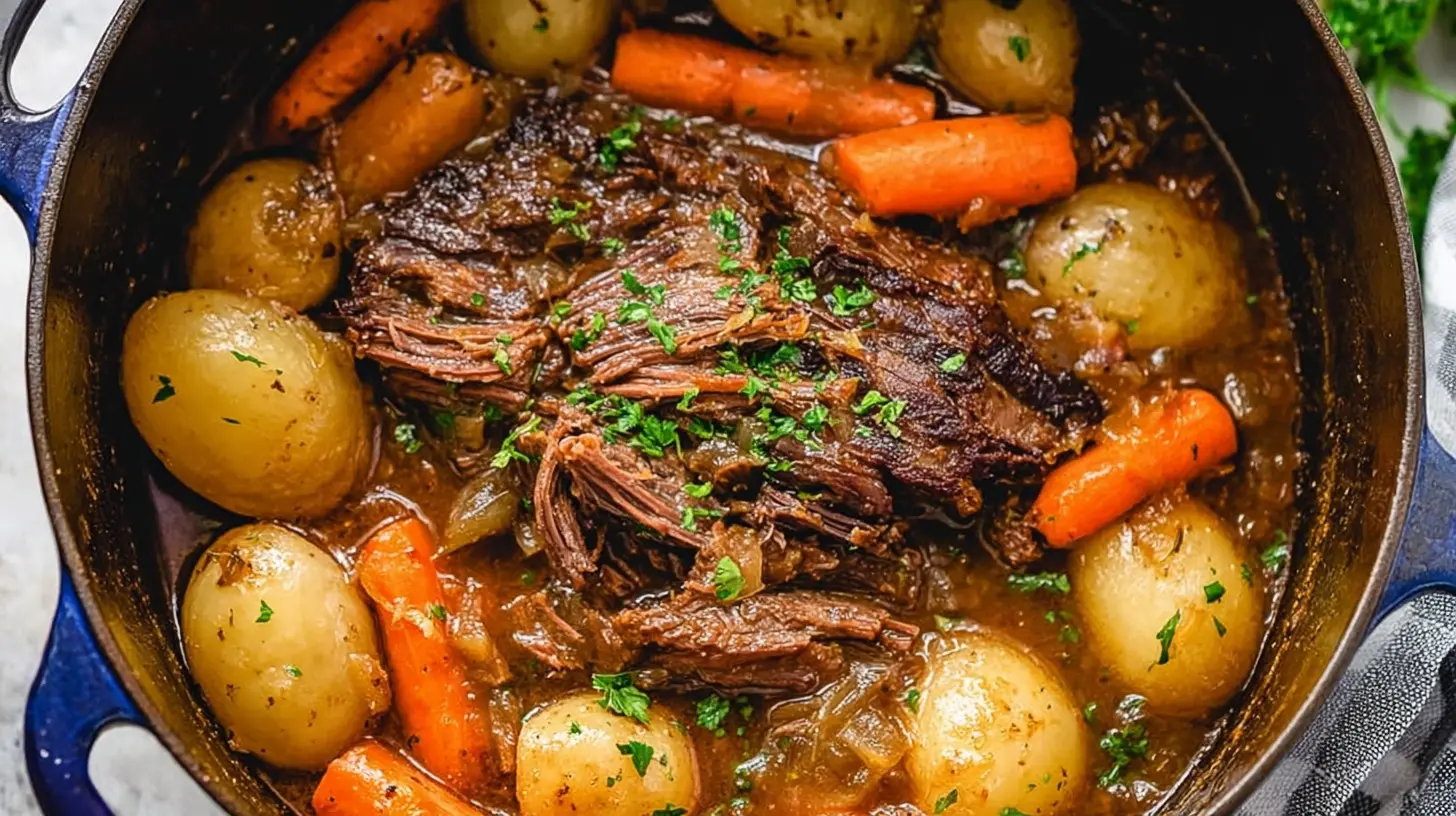
The aroma of a slow-cooked pot roast often takes me straight back to my grandmother’s kitchen on a chilly Sunday afternoon. There’s something inherently comforting and deeply satisfying about a fork-tender piece of beef, braised in its own rich juices with aromatic vegetables. While many methods exist, I’ve found that the Dutch oven truly shines for this classic. It distributes heat evenly, locks in moisture, and transforms tough cuts into melt-in-your-mouth perfection. If you’ve ever dreamt of creating that incredibly flavorful, pull-apart tender Dutch oven pot roast, you’re in the right place because with just 5 steps, we’ll get you there.
Why You’ll Love This Dish
There are countless reasons why this Dutch Oven Pot Roast should be your next culinary project. First and foremost, it’s a masterclass in flavor development. The Dutch oven, with its heavy construction, excels at searing meat to create a beautiful crust, which lays the foundational umami for the entire dish. Then, the slow braising process allows all those incredible ingredients — the beef, vegetables, herbs, and broth — to meld together, creating a gravy that is pure liquid gold.
It’s also incredibly forgiving. Pot roast uses tougher, more affordable cuts of beef, which actually benefit from long, slow cooking. This means you don’t need to be a gourmet chef to achieve spectacular results. It’s the ultimate set-it-and-forget-it meal, perfect for a cozy weekend dinner or when you want to impress guests without being tied to the stove. Plus, the leftovers are often even better the next day!
> “I thought pot roast was complicated until I tried this recipe! The 5 steps made it so clear, and the result was the most tender, flavorful roast I’ve ever made. My family raved about it!”
How This Recipe Comes Together
Creating this spectacular Dutch oven pot roast involves a few key stages that build flavor and tenderness. First, you’ll sear your beef to lock in those rich, meaty flavors and create a beautiful brown crust. This step is non-negotiable for a truly delicious roast. Next, we’ll sauté our aromatic vegetables, building another layer of flavor. Then, we’ll deglaze the pot, adding liquids and herbs, before returning the beef and letting the Dutch oven work its magic in the oven for several hours. Finally, you’ll add your root vegetables for the last stretch of cooking, ensuring they’re perfectly tender but not mushy. It’s a series of simple steps that culminate in an incredibly complex and satisfying meal.
What You’ll Need
To embark on your journey to perfect Dutch oven pot roast, gather these essentials:
- 3-4 pound boneless beef chuck roast: This is the ideal cut for pot roast due to its marbling and connective tissue, which break down into gelatin during slow cooking, resulting in incredible tenderness.
- 2 tablespoons olive oil: For searing the beef and sautéing vegetables.
- 1 large yellow onion, chopped: Adds a foundational sweetness and aroma.
- 3 cloves garlic, minced: Essential for depth of flavor.
- 4 carrots, peeled and cut into 1-inch chunks: Classic pot roast vegetable, adds sweetness.
- 3 celery stalks, cut into 1-inch chunks: Contributes savory depth.
- 1 cup beef broth: The braising liquid, adding rich beefy flavor.
- 1 cup dry red wine (like Cabernet Sauvignon or Merlot), optional: Deepens the flavor complexity. If skipping, use an additional cup of beef broth.
- 1 (14.5 ounce) can diced tomatoes, undrained: Adds acidity and a subtle sweetness that brightens the dish.
- 2 tablespoons tomato paste: Concentrated tomato flavor to enrich the sauce.
- 2 bay leaves: For an herbaceous, earthy note.
- 1 teaspoon dried thyme: Another classic herb for pot roast.
- 1 teaspoon dried rosemary: Provides a piney, fragrant counterpoint.
- Salt and freshly ground black pepper: To season generously.
- 2 pounds small red or Yukon Gold potatoes, halved or quartered: Starchy vegetables added later for perfect tenderness.
Directions to Follow
Here’s how to create your ultimate Dutch Oven Pot Roast:
- Prep and Sear the Beef: Pat the chuck roast very dry with paper towels. Season generously all over with salt and freshly ground black pepper. Heat the olive oil in a large (5-7 quart) Dutch oven over medium-high heat until shimmering. Carefully place the roast in the hot oil and sear for 5-7 minutes per side, until deeply browned on all surfaces. Remove the roast to a plate and set aside.
- Sauté Aromatics: Reduce the heat to medium. Add the chopped onion, carrots, and celery to the Dutch oven, scraping up any browned bits from the bottom. Sauté for 8-10 minutes, until the vegetables begin to soften and become fragrant. Stir in the minced garlic and tomato paste, cooking for another minute until aromatic.
- Deglaze and Build the Braising Liquid: Pour in the red wine (if using), scraping all the flavorful browned bits from the bottom of the pot with a wooden spoon. Let it simmer for 2-3 minutes, allowing the alcohol to cook off. Stir in the beef broth, diced tomatoes (undrained), bay leaves, dried thyme, and dried rosemary. Bring the mixture to a gentle simmer.
- Braise to Perfection: Return the seared chuck roast to the Dutch oven, nestling it into the liquid. It should be mostly submerged but doesn’t need to be fully covered. Cover the Dutch oven tightly with its lid and transfer it to a preheated oven at 325°F (160°C). Braise for 2.5 hours.
- Add Potatoes and Finish: After 2.5 hours, carefully remove the Dutch oven from the oven. Add the halved or quartered potatoes around the roast in the liquid. Re-cover and return to the oven for another 1 to 1.5 hours, or until the beef is incredibly tender and easily shreds with a fork, and the potatoes are cooked through.
How to Serve It
The beauty of a Dutch oven pot roast is that it’s a complete meal in one pot! Once your roast is perfectly tender, you can remove it to a cutting board to rest for a few minutes before shredding or slicing. The vegetables can be scooped out directly from the pot.
For plating, I love to create a generous bed of the tender potatoes and carrots, then top with a hearty portion of the shredded beef. Don’t forget to spoon plenty of that rich, savory braising liquid (which has now become a glorious gravy) over everything. A sprinkle of fresh chopped parsley can add a pop of color and freshness.
While it’s fantastic on its own, a simple green salad with a vinaigrette or some crusty bread for soaking up the remaining gravy would be excellent accompaniments.
Storage and Reheating Tips
One of the best things about pot roast is how well it keeps and often tastes even better the next day!
- Storage: Allow the pot roast and vegetables to cool completely before transferring them to an airtight container. Store in the refrigerator for up to 3-4 days. The gravy can be stored with the meat and vegetables.
- Freezing: Pot roast freezes beautifully. Once completely cooled, transfer portions into freezer-safe containers or heavy-duty freezer bags. It will keep well for up to 3 months. Thaw overnight in the refrigerator before reheating.
- Reheating: For best results, reheat gently. If reheating a large portion, place it back in a Dutch oven or a covered oven-safe dish with a little extra beef broth (to prevent drying out) and reheat in a 300°F (150°C) oven until warmed through. For individual portions, you can gently reheat on the stovetop or in the microwave, adding a splash of broth if needed.
Helpful Cooking Tips
- Don’t skip the sear: Seriously, searing the beef creates the Maillard reaction, which develops deep, complex flavors that you simply can’t achieve otherwise.
- Pat the beef dry: Excess moisture on the surface of the beef will steam rather than sear, preventing that beautiful crust from forming.
- Deglaze thoroughly: Those browned bits at the bottom of the pot (fond) are packed with flavor. Scraping them up when you add the wine or broth is crucial for a rich sauce.
- Low and slow is the way to go: Resist the temptation to crank up the heat. Pot roast thrives on gentle, long cooking, which allows the tough connective tissues to break down and create that signature fall-apart tenderness.
- Taste and adjust: Before serving, always taste the gravy. You might want to add a touch more salt, pepper, or even a splash of red wine vinegar to brighten the flavors.
Creative Twists
While this classic Dutch oven pot roast is perfect as written, don’t hesitate to experiment with these variations:
- Herb Swap: Instead of thyme and rosemary, try a combination of dried oregano and marjoram for a slightly different savory profile. Fresh herbs can also be tied in a bundle (bouquet garni) and added during braising.
- Spice It Up: Add a pinch of red pepper flakes with the garlic for a subtle kick, or a teaspoon of smoked paprika for a smoky depth.
- Root Vegetable Medley: Beyond potatoes and carrots, consider adding parsnips, rutabaga, or sweet potatoes for a diverse vegetable blend. Just be mindful of their cooking times and add them accordingly.
- Umami Boost: A splash of Worcestershire sauce or a teaspoon of Dijon mustard added to the braising liquid can significantly enhance the savory notes.
- Thickened Gravy: If you prefer a thicker gravy, remove the roast and vegetables, then whisk a slurry of cornstarch and cold water into the simmering liquid in the Dutch oven. Simmer until thickened to your desired consistency.
Common Questions
How do I know when my pot roast is done?
Your pot roast is done when it’s incredibly tender and can be easily shredded with a fork. There should be very little resistance. Cooking times can vary based on the size and shape of your roast and your oven’s calibration, so always go by tenderness rather than strict timing alone.
Can I make this in a slow cooker instead?
Yes, you can adapt this recipe for a slow cooker. You’ll still want to complete steps 1-3 (searing the meat and sautéing aromatics) on the stovetop for the best flavor. Then, transfer the seared roast, sautéed vegetables, and braising liquid to your slow cooker. Cook on low for 6-8 hours or on high for 3-4 hours, adding the potatoes during the last 2-3 hours of cooking on low.
My pot roast turned out tough. What went wrong?
The most common reason for tough pot roast is not cooking it long enough. Tougher cuts of beef like chuck need ample time at a low temperature for the collagen to break down into gelatin. If your roast is tough, your best bet is to return it to the oven or slow cooker and continue braising until it reaches that desired fall-apart tenderness.
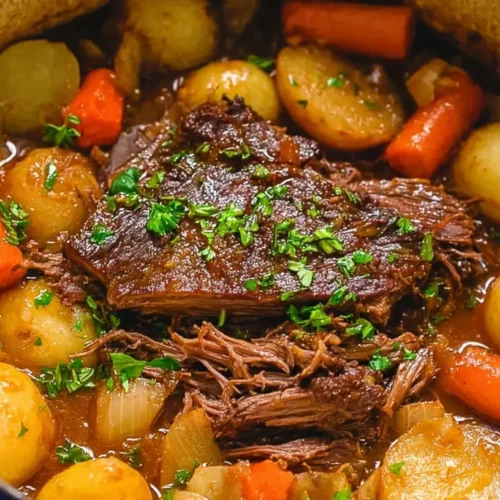
Classic 1-Pound Dutch Oven Pot Roast
Equipment
- Paper towels
- Dutch oven
- Cutting board
Ingredients
Main Ingredients
- 1 pound Chuck Roast
- 1 tbsp Olive Oil
- 1 medium Onion roughly chopped
- 2 Carrots peeled and roughly chopped
- 2 Celery Stalks roughly chopped
- 2 cloves Garlic minced
- 1 cup Beef Broth or red wine/beer
- 1 tbsp Tomato Paste
- 1 sprig fresh Rosemary or 1/2 tsp dried
- 1 sprig fresh Thyme or 1/2 tsp dried
- Salt to taste
- Black Pepper to taste
Instructions
Preparation
- Pat the 1-pound chuck roast dry with paper towels, then season generously with salt and pepper.
- Heat olive oil in a Dutch oven over medium-high heat. Sear the seasoned roast for 3-4 minutes per side until deeply browned, then remove and set aside.
- Reduce heat to medium. Add chopped onion, carrots, and celery to the Dutch oven and sauté for 5-7 minutes until softened. Stir in minced garlic and tomato paste, cooking for another minute until fragrant.
- Pour in beef broth (or wine/beer), scraping up any browned bits from the bottom. Stir in fresh rosemary and thyme.
- Return the seared roast to the Dutch oven, ensuring it is nestled in the liquid and vegetables, with the liquid about halfway up the sides of the roast.
- Cover the Dutch oven tightly and transfer to a preheated oven at 300°F (150°C).
- Cook for 2 to 2.5 hours, or until the roast is fork-tender. Check for tenderness around the 2-hour mark.
- Once tender, remove the Dutch oven from the oven. Take out the roast and let it rest on a cutting board for 10-15 minutes before shredding or slicing. Serve with the braising liquid and vegetables.