
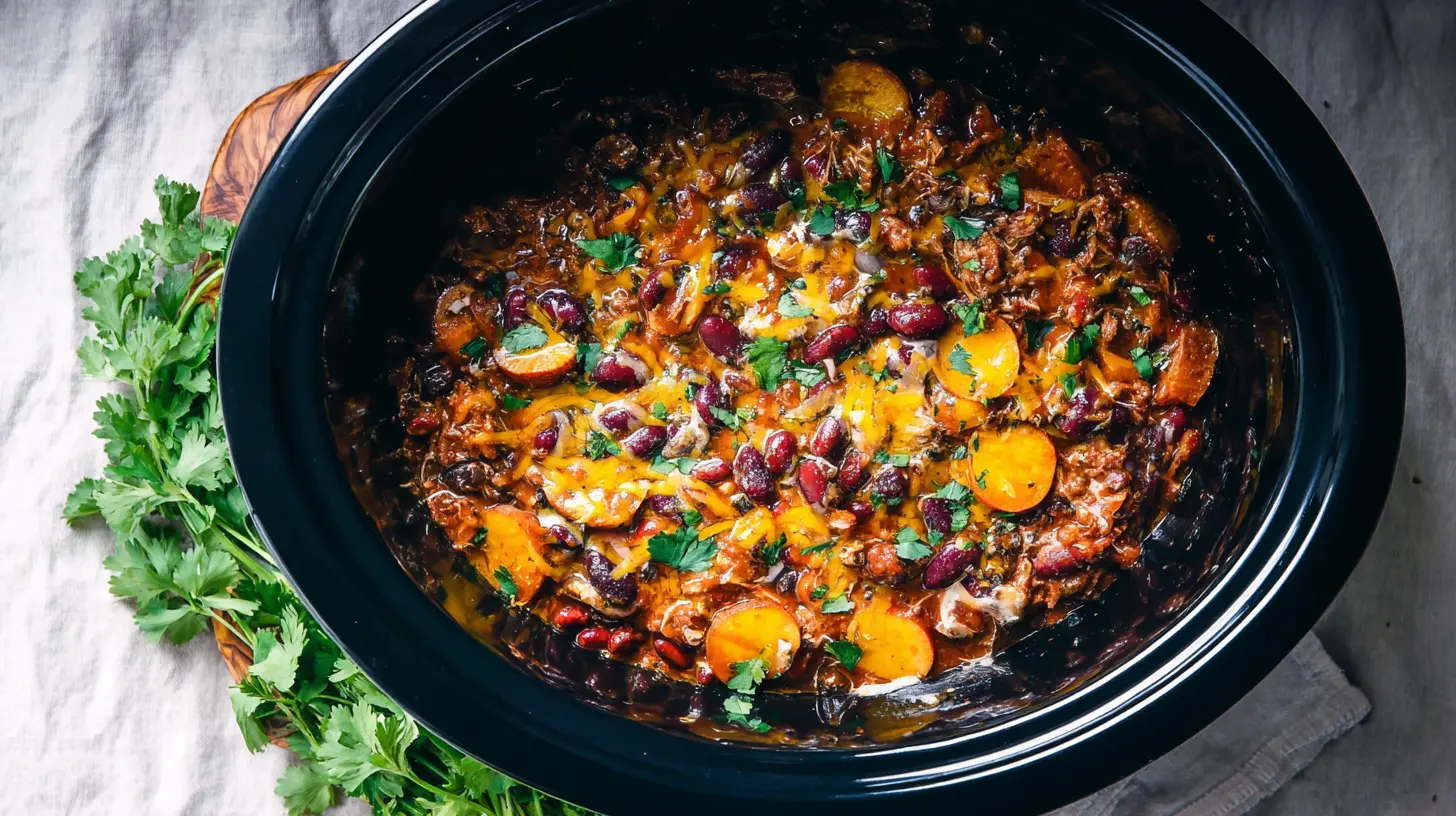
The aroma of a slow-cooked meal greeting you as you walk through the door after a long day is a special kind of magic. For years, my crockpot sat gathering dust, an unloved wedding gift. Then, life got hectic, and I rediscovered its power. It wasn’t just about convenience; it was about transforming dinner from a nightly chore into an effortless delight. These three crockpot recipes aren’t just meals; they’re an invitation to reclaim your evenings, enjoy delicious, hearty food, and rediscover the joy of a home-cooked dinner without the usual fuss.
Why You’ll Love These Dishes
If your evenings often devolve into a scramble for dinner ideas or a mad dash to get food on the table, these crockpot recipes are about to become your new best friends. They’re designed for busy people who still crave wholesome, flavorful meals. We’re talking about set-it-and-forget-it convenience, minimal cleanup, and deeply satisfying flavors that taste like you spent hours slaving away, when in reality, your slow cooker did all the heavy lifting. Whether you’re a working parent, a student, or just someone who appreciates a stress-free dinner, these recipes are perfect for weeknight dinners, meal prepping for the week ahead, or even feeding a small gathering without breaking a sweat.
> “I used to dread cooking after work, but these crockpot recipes have completely changed my perspective! Dinners are now stress-free and unbelievably delicious. My family loves them!” – A Happy Home Cook
The Cooking Process Explained
Making these specific crockpot recipes is less about intricate culinary techniques and more about smart layering and timing. Generally, you’ll start by doing a little prep work – chopping vegetables, searing meat if the recipe calls for it (which often isn’t even necessary for flavor in the slow cooker!), or mixing up a sauce. Then, everything goes into the crockpot. You’ll typically cook on a low setting for a longer period (think 6-8 hours) or on a high setting for a shorter duration (3-4 hours), allowing the flavors to meld beautifully and the ingredients to become incredibly tender. The beauty is that once everything is in, you can walk away and let the magic happen, returning hours later to a perfectly cooked meal.
What You’ll Need
Here’s a general idea of the kinds of ingredients you’ll want to have on hand for a trio of versatile crockpot meals. Specific quantities will vary per recipe, but this covers the bases for hearty, flavorful options.
Key Ingredients
- Proteins: Boneless, skinless chicken breasts or thighs, beef chuck roast, pork loin or shoulder, ground turkey or beef.
- Vegetables: Onions, garlic, carrots, celery, potatoes (russet or red), bell peppers, canned diced tomatoes, frozen corn, frozen peas, spinach.
- Legumes: Canned black beans, cannellini beans, or kidney beans (rinsed and drained).
- Broths/Liquids: Chicken broth, beef broth, vegetable broth, tomato sauce, apple cider.
- Seasonings: Salt, black pepper, smoked paprika, cumin, chili powder, dried oregano, bay leaves, dried thyme, onion powder, garlic powder.
- Pantry Staples: Olive oil, Worcestershire sauce, soy sauce, Dijon mustard, rice, pasta.
- Dairy/Garnish (Optional): Shredded cheese, sour cream, fresh cilantro, fresh parsley, lemon wedges.
Directions to Follow
While specific steps vary wildly between individual recipes, the general flow for most crockpot dishes is straightforward and designed for ease. For this set of transformative crockpot recipes, you’ll find the detailed instructions within each recipe’s dedicated section, focusing on clear, actionable steps. However, a common pattern you’ll encounter includes:
- Prep Your Ingredients: This usually involves chopping any vegetables (onions, garlic, carrots, celery are common), trimming meat, and measuring out your liquids and seasonings.
- Combine in Crockpot: Place your primary protein (chicken, beef, pork) at the bottom. Layer your vegetables around and on top.
- Add Liquids & Seasonings: Pour in your designated broth, sauce, or other liquids. Sprinkle evenly with salt, pepper, and any specified herbs or spices.
- Set & Forget: Cover your crockpot with its lid. Set it to the desired temperature (LOW for 6-8 hours, HIGH for 3-4 hours, or as per recipe).
- Cook Until Tender: Allow the dish to cook undisturbed for the recommended time. Avoid lifting the lid too often, as this can extend cooking time.
- Optional Finishing Touches: Some recipes call for a stir-in of fresh herbs, cheese, or other sensitive ingredients towards the end of cooking, or just before serving.
Remember to always follow the specific instructions for each of the three recipes to ensure the best results!
Best Ways to Enjoy It
The beauty of these crockpot recipes is their versatility on the serving front. For a hearty Chicken or Beef Stew, simply ladle it into bowls, perhaps with a sprinkle of fresh parsley, and serve alongside crusty bread to soak up every last drop of that rich gravy. If you made a Pulled Pork or Chicken dish, it shines piled high on soft brioche buns with a side of coleslaw, or even as a filling for tacos or loaded baked potatoes. And for a comforting Chili or Bean Dish, a dollop of sour cream, a sprinkle of shredded cheddar, and some crushed tortilla chips or cornbread complete the experience. Don’t be afraid to keep it simple – the slow cooker does such a good job of developing flavor that often, minimal embellishment is needed.
Keeping Leftovers Fresh
One of the greatest benefits of crockpot cooking is the abundance of leftovers, making future meals a breeze! Once your meal has cooled down to room temperature (within 2 hours of cooking), transfer it to airtight containers.
- Refrigeration: Most crockpot dishes will happily last for 3-4 days in the refrigerator. Ensure they are fully cooled before storage to prevent bacterial growth.
- Freezing: Many crockpot meals, especially stews, chilis, and pulled meats, freeze exceptionally well. Portion individual servings into freezer-safe bags or containers, leaving a little headspace if using rigid containers for expansion. They can be stored in the freezer for up to 3 months. Thaw overnight in the refrigerator before reheating.
- Reheating: Reheat refrigerated leftovers on the stovetop over medium heat until simmering, or in the microwave until thoroughly heated through, stirring occasionally. For frozen portions, you can often reheat them directly from frozen on the stovetop with a splash of broth or water, or thaw and then reheat. Always ensure food reaches an internal temperature of 165°F (74°C) when reheating.
Helpful Cooking Tips
Achieving crockpot perfection consistently involves a few insider tricks that can elevate your meals from good to absolutely amazing.
- Don’t Overfill: Your crockpot should ideally be between half and two-thirds full. Too little, and it might overcook; too much, and it could overflow or cook unevenly.
- Resist the Urge to Peek: Every time you lift the lid, heat escapes, and your cooking time could be extended by 20-30 minutes. Let the slow cooker do its job!
- Searing Adds Flavor: While not strictly necessary for all recipes, quickly searing meat (like beef chuck for stew) in a pan before adding it to the crockpot can add a wonderful depth of flavor and color through the Maillard reaction.
- Add Dairy Last: Ingredients like milk, sour cream, cream cheese, or yogurt should typically be stirred in during the last 30 minutes of cooking or just before serving. They can curdle or separate if cooked for too long.
- Soft Vegetables on Top: Place harder, root vegetables (potatoes, carrots) on the bottom, closer to the heat source. Softer vegetables (like bell peppers or zucchini) or leafy greens (spinach) can go on top or be added later to prevent them from becoming mushy.
- Adjust Seasoning at the End: Flavors can become concentrated in the slow cooker. It’s often best to add a base amount of salt and pepper, then taste and adjust the final seasoning just before serving.
Creative Twists
While these three core recipes are fantastic as-is, the crockpot is an incredibly forgiving appliance that encourages experimentation.
- Spice it Up: For any of the savory dishes, consider adding a pinch of cayenne pepper, a dash of hot sauce, or a finely chopped jalapeño to the pot for a kick.
- Herb Variations: Swap out dried herbs for fresh ones at the end of cooking for a brighter flavor. Or, try different dried herb blends – Italian seasoning, Herbs de Provence, or a bay leaf can completely change the aromatic profile.
- Vegetable Boost: Sneak in extra veggies! Frozen spinach or kale can be stirred in during the last 30 minutes. Diced sweet potatoes can replace or complement regular potatoes.
- Global Flavors: For a plain pulled chicken or pork recipe, divide it after cooking and transform it into different meals. One portion could become BBQ pulled sandwiches, another could be Tandoori-spiced chicken for wraps, and a third could be Asian-inspired with soy sauce and ginger over rice.
- Make it Creamy: For stews or chilis, stir in a can of coconut milk (for dairy-free) or a block of cream cheese (for richness) during the last hour of cooking.
- Sweet Touch: Don’t forget desserts! Yes, you can make cakes, fruit crumbles, and even hot fudge in your crockpot.
Your Questions Answered
FAQ
Q1: Can I put frozen meat directly into the crockpot?
A: For food safety reasons, it’s generally recommended to thaw meat completely before placing it in the slow cooker. A slow cooker doesn’t reach safe temperatures quickly enough to prevent bacteria from multiplying on frozen meat, potentially leading to foodborne illness.
Q2: How do I prevent my food from getting too watery in the crockpot?
A: Since liquid doesn’t evaporate much in a slow cooker, use less liquid than you would for stovetop cooking. If a recipe calls for a specific amount, stick to it. If it still seems too watery at the end, you can remove the lid for the last 30 minutes of cooking to allow some evaporation, or thicken it with a cornstarch or flour slurry (mixed with a bit of cold water) stirred in during the last 15-30 minutes.
Q3: Is it safe to leave my crockpot on all day while I’m at work?
A: Yes, that’s precisely what a crockpot is designed for! Modern slow cookers are very safe to leave unattended for several hours on the low setting. Just ensure it’s placed on a sturdy, heat-safe surface away from combustible materials, and always follow your appliance’s safety guidelines.
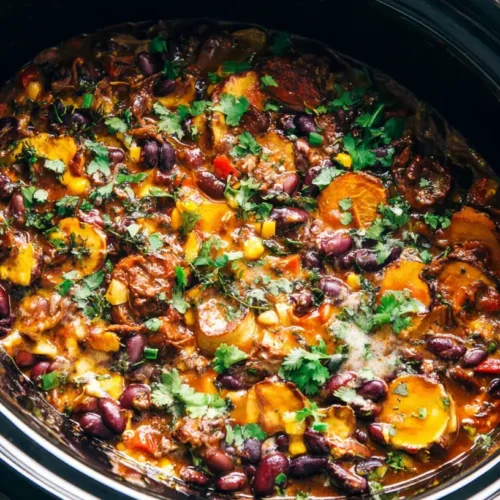
Ultimate Slow Cooker Beef Stew
Equipment
- Paper towels
- Large, heavy-bottomed skillet (preferably cast iron)
- Slow cooker
Ingredients
Main Ingredients
- 2 lbs beef chuck roast cut into 1.5-2 inch cubes
- 1 tablespoon olive oil
- 1 yellow onion chopped
- 3 carrots peeled and cut into 1-inch pieces
- 2 celery stalks cut into 1-inch pieces
- 3 cloves garlic minced
- 1 cup dry red wine like Cabernet Sauvignon or Merlot
- 2 cups beef broth
- 1 can (14.5 oz) diced tomatoes undrained
- 1 tablespoon tomato paste
- 1 tablespoon Worcestershire sauce
- 1 bay leaf
- 1 teaspoon dried thyme
- Salt and freshly ground black pepper to taste
For Thickening (Optional)
- 2 tablespoons cornstarch
- 2 tablespoons cold water
For Garnish
- Fresh parsley chopped
Instructions
Preparation
- Pat the beef roast dry with paper towels and season generously with salt and pepper.
- Heat olive oil in a large skillet over medium-high heat until shimmering, then sear the beef in batches for 2-4 minutes per side until deeply browned, and set aside.
Sautéing Vegetables
- Add chopped onion, carrots, and celery to the same skillet and sauté for 5-7 minutes until softened, scraping up any browned bits.
- Stir in minced garlic and cook for one minute until fragrant.
- Pour in red wine, scrape the bottom of the pan to deglaze, and simmer for 1-2 minutes until slightly reduced.
Slow Cooking
- Transfer seared beef, sautéed vegetables, deglazed wine, beef broth, diced tomatoes, tomato paste, Worcestershire sauce, bay leaf, and dried thyme to your slow cooker.
- Cover and cook on low for 6-8 hours or on high for 3-4 hours, until the beef is fork-tender.
Finishing Touches
- If desired, create a slurry with cornstarch and cold water, then stir it into the stew during the last 30 minutes of cooking until it thickens.
- Remove the bay leaf before serving, then taste and adjust seasoning as needed.
- Garnish with fresh chopped parsley before serving.