
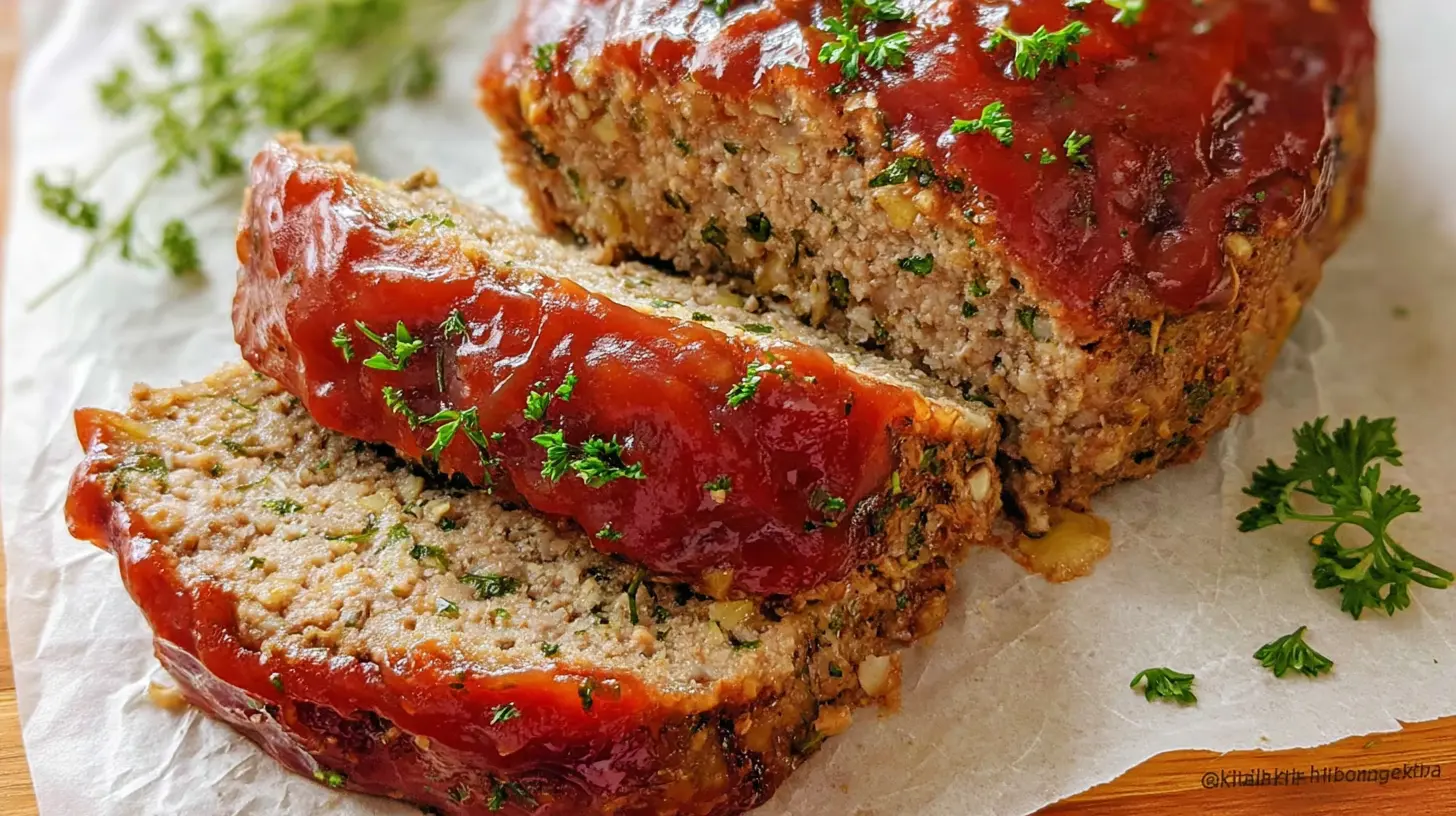
My grandmother’s kitchen always smelled of comfort on Sundays, and more often than not, that comforting aroma was her meatloaf baking. There’s something undeniably nostalgic about a classic meatloaf dinner – it’s hearty, satisfying, and brings everyone to the table. But let’s be honest, we’ve all had our share of dry, crumbly, or bland meatloaf. That ends today. I’m going to share not just a fantastic recipe, but also the three easy secrets I’ve picked up over the years for truly successful meatloaf every single time.
Why You’ll Love This Dish
This isn’t just another meatloaf recipe; it’s the meatloaf recipe. What makes it special? First, we’re tackling that dryness issue head-on, ensuring a moist, flavorful loaf from edge to edge. Second, it uses straightforward ingredients you likely already have in your pantry, making it a perfect weeknight hero. And third, it’s incredibly versatile – serve it with mashed potatoes, roasted vegetables, or even slice it cold for sandwiches the next day. It’s pure comfort food at its finest, especially when you need a reliably delicious meal that feels like a hug.
> “I used to shy away from making meatloaf because it always turned out dry. This recipe was a game-changer! So moist and flavorful, my whole family loved it.” – A Happy Home Cook
The Cooking Process Explained
Making this Classic Meatloaf involves a few simple steps. First, we’ll gently combine our ingredients, ensuring not to overmix, which is crucial for a tender result. Then, the loaf gets shaped and topped with a savory glaze before heading into the oven. The magic happens during baking as the flavors meld and the meatloaf cooks to perfection, emerging juicy and ready to be sliced. It’s a hands-on but forgiving process, perfect for any home cook.
What You’ll Need
Gathering your ingredients is the first step to a delicious meatloaf. Here’s what you’ll need:
- Ground Beef: I recommend using 80/20 ground beef for the best flavor and moisture. The fat renders down, keeping the meatloaf tender.
- Breadcrumbs: Plain dry breadcrumbs work perfectly. Panko breadcrumbs also add a nice texture.
- Egg: A large egg acts as a binder, holding everything together.
- Milk: Whole milk or even buttermilk adds moisture and helps create that tender texture.
- Onion & Garlic: Finely diced for aromatic depth. Don’t skip these!
- Worcestershire Sauce: A secret weapon for umami and a rich, savory flavor.
- Ketchup: For both the meatloaf mixture and the glaze. It adds a touch of sweetness and tang.
- Mustard: Dijon or yellow mustard for a little zing in the glaze.
- Brown Sugar: Balances the tang of the ketchup and mustard in the glaze, giving it a beautiful caramelization.
- Salt & Black Pepper: Essential seasonings.
Directions to Follow
Let’s get cooking! Follow these clear steps for a perfect meatloaf:
- Preheat & Prep: Preheat your oven to 350°F (175°C). Lightly grease a loaf pan or line a baking sheet with parchment paper if you prefer a free-form loaf.
- Combine Wet Ingredients: In a large bowl, whisk together the egg, milk, and Worcestershire sauce until well combined.
- Add Aromatics & Seasonings: Stir in the finely diced onion, minced garlic, salt, and black pepper into the wet mixture.
- Introduce Breadcrumbs: Add the breadcrumbs to the bowl and let them sit for a minute or two to absorb some of the liquid. This helps prevent a crumbly meatloaf.
- Gently Mix in Beef: Add the ground beef to the bowl. This is Secret #1: Do NOT overmix! Use your hands to gently combine the ingredients just until everything is incorporated. Overmixing makes for a tough, dense meatloaf.
- Form the Loaf: Transfer the mixture to your prepared loaf pan, pressing it gently to fill, or shape it into a loaf on the baking sheet. Secret #2: Don’t pack it too tightly! A looser pack allows steam to escape, resulting in a moister loaf.
- Whip up the Glaze: In a small bowl, whisk together the ketchup, mustard, and brown sugar until smooth. Spread about half of this glaze evenly over the top of the meatloaf.
- Bake: Bake for 45 minutes.
- Second Glaze Application: Remove the meatloaf from the oven, spread the remaining glaze over it, and return to the oven for another 15-20 minutes, or until the internal temperature reaches 160°F (71°C) when checked with an instant-read thermometer. Secret #3: The two-stage glaze application! This prevents the glaze from burning and gives it a beautiful, glossy finish.
- Rest: Once cooked, remove the meatloaf from the oven and let it rest for at least 10-15 minutes before slicing. This allows the juices to redistribute, ensuring a truly moist slice.
Best Ways to Enjoy It
Meatloaf is a versatile star, and there are so many delightful ways to serve it. My absolute favorite pairing is with creamy, buttery mashed potatoes – the perfect vehicle for soaking up all those delicious meatloaf juices. Steamed green beans or roasted asparagus make for a lovely vibrant side, adding both color and freshness. For a more comforting, rustic meal, consider serving it with a side of homemade gravy (using pan drippings if you’re feeling ambitious!). On a cooler evening, a simple side salad with a tangy vinaigrette offers a nice contrast to the richness of the meatloaf.
Storage and Reheating Tips
Proper storage is key to enjoying your leftovers. Once cooled, transfer any leftover meatloaf to an airtight container and refrigerate for up to 3-4 days. To reheat, you can slice it and warm individual portions in the microwave or gently heat larger pieces in the oven at 300°F (150°C) until warmed through, adding a splash of broth to prevent drying out. Meatloaf also freezes beautifully! Wrap individual slices tightly in plastic wrap, then place them in a freezer-safe bag or container for up to 3 months. Thaw in the refrigerator overnight before reheating.
Pro Chef Tips
- Don’t Skimp on the Fat: While tempting to use leaner grounds, the fat in 80/20 ground beef is essential for a moist and flavorful meatloaf. It renders down, keeping the meat tender.
- Finely Dice Aromatics: Take the time to finely dice your onions and garlic. Larger chunks might not soften enough during baking and create an uneven texture.
- Use Your Hands (Gently!): While a spoon can work, using your hands is the best way to ensure the ingredients are just combined without overmixing. Just remember that light touch!
- The Power of Resting: Don’t slice into that meatloaf too soon! Letting it rest allows the muscle fibers to relax and reabsorb the juices, preventing them from running all over your cutting board and leaving you with a dry slice.
Creative Twists
Want to put your own spin on this classic? Here are a few ideas:
- Cheese Please: Fold in a cup of shredded cheddar, mozzarella, or a sharp provolone into the meat mixture for a cheesy surprise.
- Spicy Kick: Add a pinch of red pepper flakes or a teaspoon of sriracha to the glaze for a subtle heat.
- Herbaceous Delight: Incorporate fresh herbs like chopped parsley, thyme, or oregano into the meat mixture for an extra layer of flavor.
- Veggie Boost: Shredded carrots, zucchini (squeezed dry to remove excess moisture), or finely chopped bell peppers can be added to the mix for hidden veggies.
- Bacon-Wrapped: For an extra decadent and flavorful crust, wrap the entire meatloaf in strips of bacon before baking.
Your Questions Answered
Can I make this meatloaf ahead of time?
Absolutely! You can prepare the meatloaf mixture up to one day in advance. Cover it tightly and store it in the refrigerator. When you’re ready to bake, just take it out about 30 minutes before baking to let it come closer to room temperature, then proceed with the recipe.
What if I don’t have breadcrumbs?
No problem! You can substitute breadcrumbs with an equal amount of crushed Ritz crackers, quick oats, or even finely crushed cornflakes. Just be sure to let them soak in the milk mixture for a few minutes.
Why does my meatloaf always crack on top?
Cracking can often be a sign of a meatloaf that was packed too tightly, or it could be due to a significant temperature change if you open the oven door too frequently. Ensure you’re handling the mixture gently and allowing it to rest after baking to help prevent cracking. The two-stage glaze application in this recipe also helps keep the surface moist.
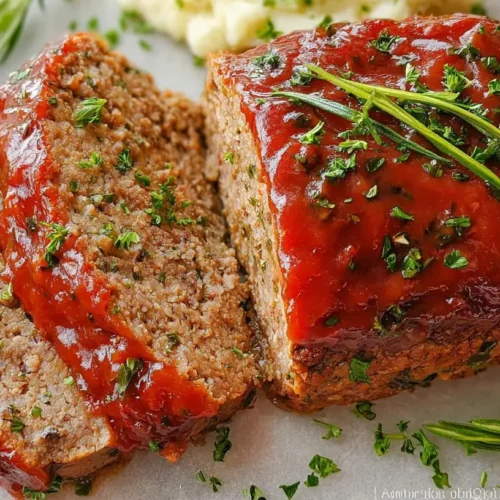
Classic Comfort Meatloaf Dinner
Equipment
- baking sheet
- skillet
- large bowl
- small bowl
Ingredients
Meatloaf
- 1 ½ lbs ground beef (80/20 lean is ideal for moisture)
- 1 small onion finely chopped
- ½ cup bell pepper finely chopped (any color)
- 2 cloves garlic minced
- 1 large egg lightly beaten
- ½ cup breadcrumbs (plain or panko)
- ½ cup milk
- 1 tablespoon Worcestershire sauce
- 1 teaspoon dried Italian seasoning
- ½ teaspoon salt
- ¼ teaspoon black pepper
Glaze
- ½ cup ketchup
- 2 tablespoons brown sugar
- 1 tablespoon apple cider vinegar
- 1 teaspoon prepared mustard (Dijon or yellow)
Instructions
Preparation
- Preheat your oven to 350°F (175°C) and line a baking sheet with parchment paper or foil.
- Sauté the chopped onion, bell pepper, and minced garlic in a small skillet over medium heat until softened, then let cool slightly.
Assembly and Baking
- Gently combine the ground beef, sautéed vegetables, egg, breadcrumbs, milk, Worcestershire sauce, Italian seasoning, salt, and pepper in a large bowl until just mixed.
- Shape the meat mixture into a 9×5 inch loaf on the prepared baking sheet.
- Whisk together the ketchup, brown sugar, apple cider vinegar, and mustard in a small bowl to create the glaze.
- Spread half of the glaze over the meatloaf and bake for 40 minutes.
- Remove the meatloaf from the oven, apply the remaining glaze, and continue baking for 20-30 minutes until the internal temperature reaches 160°F (71°C).
Rest and Serve
- Let the meatloaf rest for 10-15 minutes before slicing and serving warm.