
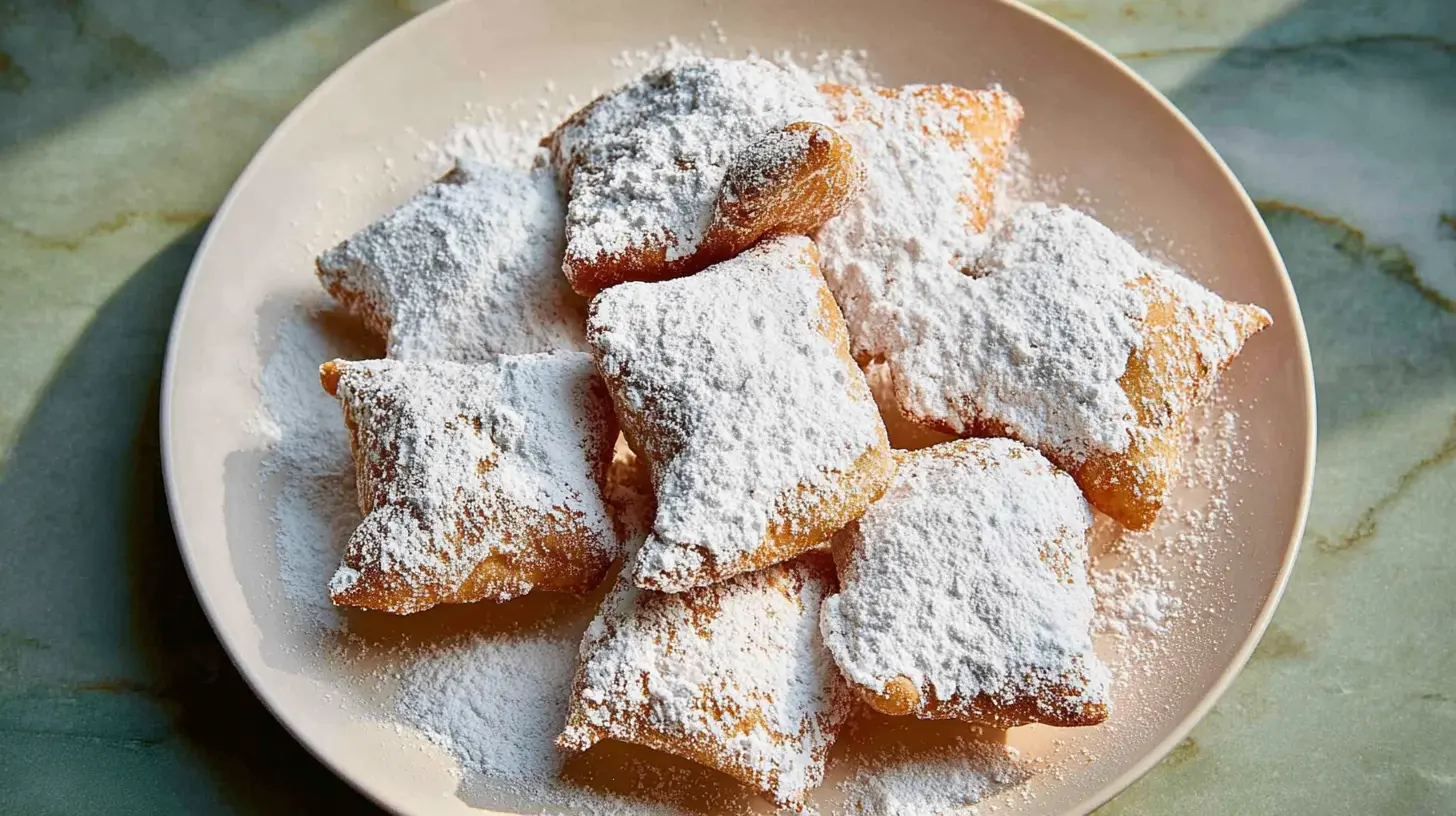
The first time I bit into a freshly made beignet, still warm and generously dusted with powdered sugar, it was pure magic. That delicate crispness giving way to an unbelievably light, airy interior instantly transported me to a cozy New Orleans cafe. For years, I thought they were one of those elusive treats best left to professional bakers, but turns out, with the right guidance, making them at home is not only achievable but incredibly rewarding. If you’ve been yearning to recreate that iconic pastry experience in your own kitchen, get ready, because this 4-step guide is about to make you a beignet master.
Why You’ll Love This Dish
There’s something undeniably special about beignets. They’re more than just fried dough; they’re a moment of pure, unadulterated joy. This recipe focuses on simplicity, breaking down what might seem like an intimidating baking project into four manageable steps. You’ll absolutely adore this recipe for a few key reasons: it’s surprisingly quick for a yeast-based pastry, yielding incredibly fluffy results that taste just like they came from a famed French Quarter establishment. They’re perfect for a decadent weekend breakfast, a special brunch, or even an indulgent dessert. Plus, the aroma of yeasty dough frying and then being showered with powdered sugar? Irresistible!
> “I always thought beignets were too hard to make, but this recipe changed my mind! So light and fluffy, just like I remember from my trip to New Orleans. A game-changer!” – HomeBakerJ
The Cooking Process Explained
Making these blissful beignets essentially boils down to four main stages. First, you’ll activate your yeast and bring together your dough ingredients, forming a soft, pliant dough. Next, comes the crucial rising time, allowing the yeast to work its magic and develop that characteristic airy texture. Then, you’ll roll out and cut your dough into those classic squares. Finally, the magic happens in a pot of hot oil, where they puff up into golden perfection, ready for their generous coating of powdered sugar. It’s a rhythmic process, and each step contributes to the ultimate light and fluffy outcome.
What You’ll Need
To whip up these delightful beignets, gather these fundamental items:
- Active dry yeast: The leavening agent that gives beignets their signature fluffiness. Make sure it’s fresh!
- Warm water: Essential for activating the yeast. Not too hot, not too cold – just right.
- Granulated sugar: Feeds the yeast and adds a touch of sweetness to the dough.
- Whole milk: Contributes to a richer, softer dough.
- Large egg: Adds structure and richness.
- All-purpose flour: The backbone of your dough.
- Salt: Balances the sweetness and enhances flavor.
- Unsalted butter: Melted, it adds tenderness and flavor to the dough.
- Vegetable oil or canola oil: For frying. You’ll need a fair amount.
- Powdered sugar: For that iconic, generous dusting. Don’t be shy!
Directions to Follow
Here’s your step-by-step guide to beignet perfection:
- Activate the Yeast (Step 1): In a large bowl, whisk together the warm water, yeast, and 1 teaspoon of granulated sugar. Let it sit for 5-10 minutes until frothy. This indicates your yeast is active and ready to work.
- Make the Dough (Step 2): To the yeast mixture, add the remaining granulated sugar, milk, egg, salt, and melted butter. Mix well. Gradually add the flour, about a cup at a time, mixing until a soft, slightly sticky dough forms. You might need to turn it out onto a lightly floured surface and knead gently for 5-7 minutes until smooth and elastic. Place the dough in a lightly oiled bowl, turn to coat, cover with plastic wrap, and let it rise in a warm place for 1.5 to 2 hours, or until doubled in size.
- Shape and Cut (Step 3): Gently punch down the risen dough. Turn it out onto a lightly floured surface and roll it into a rectangle about 1/4 inch thick. Using a pizza cutter or sharp knife, cut the dough into 2-inch squares.
- Fry and Dust (Step 4): Heat about 3-4 inches of vegetable oil in a large, heavy-bottomed pot or Dutch oven to 350°F (175°C). Carefully drop a few beignet squares into the hot oil, being careful not to overcrowd the pot. Fry for about 1-2 minutes per side, or until golden brown and puffed. Use a slotted spoon or spider to remove the beignets and place them on a wire rack lined with paper towels to drain excess oil. While still warm, generously dust the beignets with powdered sugar. Serve immediately.
Best Ways to Enjoy It
Beignets are at their absolute peak when served warm, straight out of the fryer, and heavily blanketed in powdered sugar. There’s really no wrong way to eat them, but a classic cup of strong chicory coffee or a Café au Lait makes for the quintessential New Orleans experience. For a fun twist, you could offer a side of chocolate dipping sauce or a raspberry coulis. They also make a fantastic, indulgent dessert!
How to Store & Freeze
Ideally, beignets are best enjoyed moments after they’re made. Their light and airy texture starts to diminish as they cool and sit. However, if you do have leftovers, place them in an airtight container at room temperature for up to 1 day. Reheating them slightly in a warm oven (around 250°F/120°C for 5-7 minutes) can help revive some of their warmth, but they won’t be quite as fluffy as fresh.
Freezing the dough is a better option if you want to prepare ahead. After the first rise, punch down the dough, shape and cut your squares, then arrange them on a parchment-lined baking sheet and freeze until solid. Once frozen, transfer them to a freezer-safe bag or container for up to 2-3 weeks. When ready to fry, thaw the frozen beignet squares on a lightly floured surface covered with plastic wrap until they’ve risen again (this might take 1-2 hours), then fry as directed. Do not refreeze already fried beignets.
Pro Chef Tips
- Temperature is Key: When activating yeast, use water that’s around 105-115°F (40-46°C). Too cold, and the yeast won’t activate; too hot, and you’ll kill it. Similarly, maintain your oil temperature at a consistent 350°F (175°C) for perfect frying. Use a kitchen thermometer!
- Don’t Overcrowd: Frying in batches is crucial. Overcrowding the pot will drop the oil temperature, leading to greasy, heavy beignets instead of light, airy ones.
- Generosity with Sugar: Don’t be shy with the powdered sugar! The magic of a beignet is seeing that snowdrift of sweetness. Dust them while still warm so the sugar adheres. For extra coverage, you can even shake them in a paper bag with powdered sugar.
- Proper Kneading/Mixing: While this dough is forgiving, ensure you mix or knead it enough to develop some gluten, which contributes to the elasticity and structure necessary for those lovely air pockets.
Creative Twists
While classic beignets are a treasure, feel free to experiment:
- Sweet Spices: Add a pinch of nutmeg or cinnamon to your flour mixture for a subtly spiced dough.
- Orange Zest: A teaspoon of finely grated orange zest can brighten the flavor of the dough beautifully.
- Stuffed Beignets: For a truly decadent treat, you can carefully place a small cube of chocolate or a dollop of jam in the center of a dough square, then fold another square over it and pinch the edges to seal before frying.
- Savory Twist: Omit the sugar from the dough and add a sprinkle of herbs like chives or garlic powder. Serve with a creamy dip!
Your Questions Answered
Why aren’t my beignets puffing up?
A: There are a few common culprits! The most likely reason is inactive yeast (check the expiration date and ensure your water temperature was correct). Other reasons could be not letting the dough rise long enough, or the oil temperature being too low during frying.
Can I make the dough ahead of time?
A: Absolutely! After the first rise, you can punch down the dough, place it in an oiled, airtight container, and refrigerate it for up to 24 hours. When you’re ready to fry, let the dough come to room temperature for about 30 minutes, then roll, cut, and fry as directed.
What’s the best way to clean up after frying?
A: Once the oil has completely cooled, strain it through a fine-mesh sieve lined with cheesecloth back into its original container (or suitable storage container) if you wish to reuse it a few times for frying. If disposing, pour the cooled oil into a non-recyclable container (like an old milk carton) and discard it in the trash. Never pour oil down the drain!
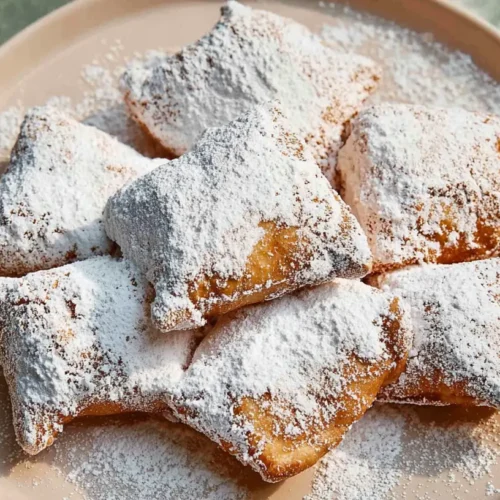
Classic New Orleans Beignets
Equipment
- Large bowl
- Plastic wrap or clean kitchen towel
- Sharp knife or pizza cutter
- Large, heavy-bottomed pot or Dutch oven
- Candy thermometer
- Slotted spoon or spider
- Wire rack
- Paper towels
- Fine-mesh sieve
Ingredients
Dough
- 1 cup warm water (105-115°F / 40-46°C)
- 2.25 teaspoons active dry yeast (one packet)
- 0.33 cup granulated sugar plus a pinch for yeast
- 0.5 cup warm milk
- 1 large egg
- 0.25 cup unsalted butter melted
- 4 cups all-purpose flour plus more for dusting
- 1 teaspoon salt
Frying & Dusting
- 4-5 cups vegetable oil (or other neutral oil), for deep frying
- 2 cups powdered sugar (confectioners’ sugar), for dusting
Instructions
Preparation
- In a large bowl, combine warm water, yeast, and a pinch of granulated sugar, then let it sit for 5-10 minutes until foamy to activate the yeast.
- Stir in the remaining granulated sugar, warm milk, egg, and melted butter into the yeast mixture.
- Gradually add the flour and salt to the wet ingredients, mixing until a shaggy dough forms.
Dough Handling
- Turn the dough onto a lightly floured surface and knead it for 5-7 minutes until smooth, elastic, and slightly sticky.
- Place the dough in a lightly oiled bowl, turn to coat, then cover and let it rise in a warm place for 1-2 hours until doubled in size.
- After rising, gently punch down the dough, then roll it out on a lightly floured surface to about ¼-inch thickness, forming a rectangular shape.
- Using a sharp knife or pizza cutter, cut the dough into 2-3 inch squares.
Frying
- Heat 3-4 inches of vegetable oil in a large, heavy-bottomed pot to 350°F (175°C), monitoring the temperature with a candy thermometer.
- Carefully drop 3-4 beignet squares into the hot oil, ensuring not to overcrowd the pot, and fry for 1-2 minutes per side until golden brown and puffed.
- Remove fried beignets with a slotted spoon and place them on a wire rack over paper towels to drain excess oil.
- While still warm, generously dust the beignets with powdered sugar using a fine-mesh sieve and serve immediately.