
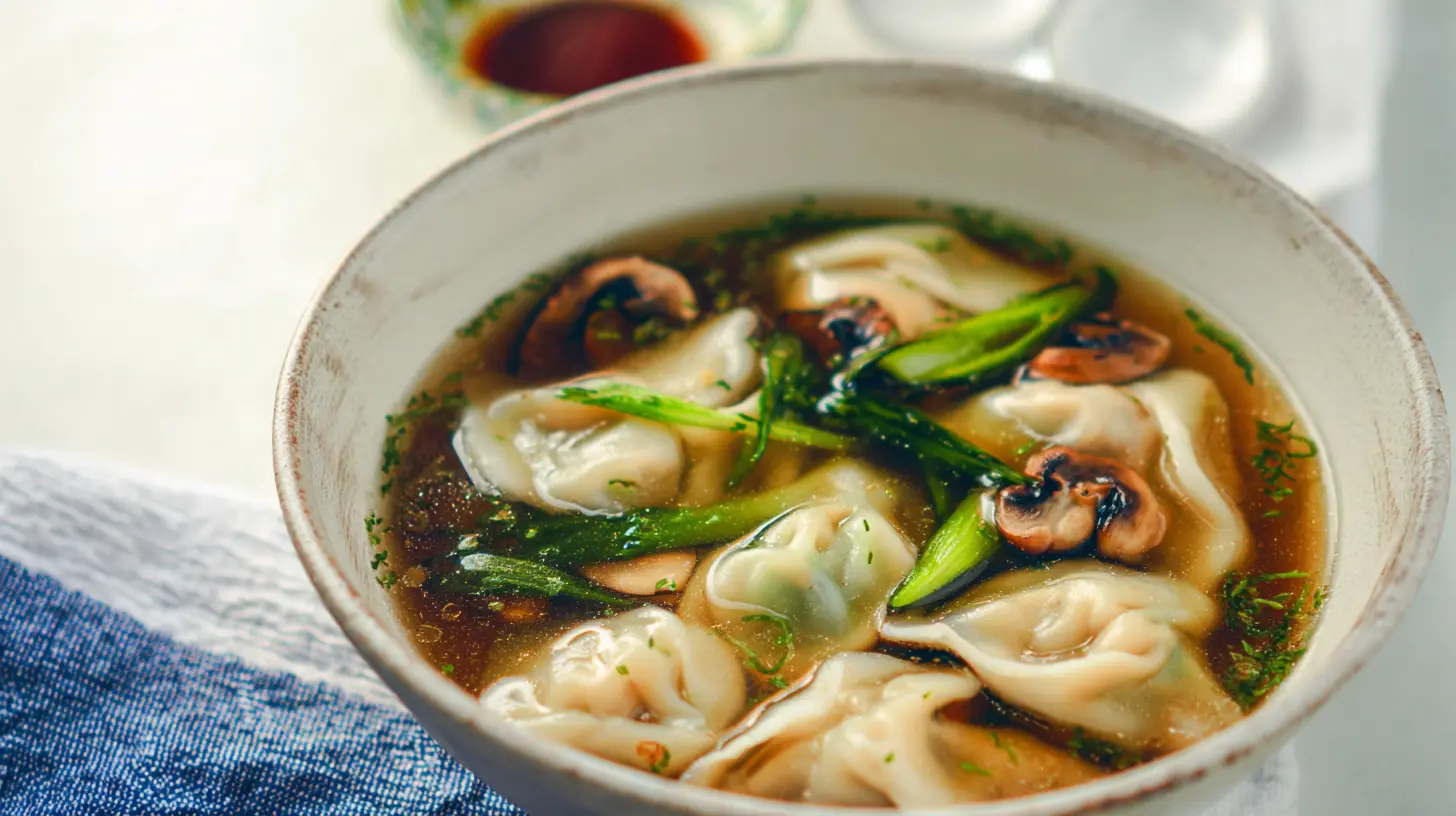
Growing up, my grandmother always had a pot of something simmering on the stove, and her gyoza soup was a particular favorite. It was simple, comforting, and always hit the spot. But over the years, as I started experimenting in my own kitchen, I realized that even the most perfect comfort food can sometimes benefit from a little creative flair. That’s how I began exploring ways to elevate a humble bowl of gyoza soup. If you’re ready to transform your everyday gyoza soup into something truly special, you’re in the right place. We’re going to dive into some fantastic topping ideas that will take your soup from satisfying to sensational.
Why You’ll Love This Dish
This isn’t just about a recipe; it’s about an experience. What makes gyoza soup so wonderful, and particularly with these creative toppings, is its incredible versatility and comforting warmth. It’s the kind of meal that wraps you in a hug on a chilly evening, yet it’s also light enough for a quick lunch. Plus, it’s incredibly adaptable. You can use homemade gyoza or store-bought, making it as simple or as involved as your time allows. Adding these toppings turns a standard bowl into a customizable culinary adventure, allowing everyone at the table to build their perfect bowl. It’s perfect for a weeknight dinner when you need something quick and delicious, or for a cozy weekend meal when you want to impress with minimal effort.
> “I thought gyoza soup couldn’t get any better, but these topping ideas are game-changers! My family loves customizing their bowls now.” — A Happy Home Cook
The Cooking Process Explained
Making gyoza soup, especially with an eye towards creative toppings, typically involves a few straightforward steps. First, you’ll prepare your broth – whether it’s a quick store-bought option or a homemade dashi. Then, the gyozas are cooked directly in the simmering broth until they’re tender and plump. While the gyozas are cooking, you’ll get your chosen toppings ready. This might mean quickly sautéing some mushrooms, blanching spinach, or simply chopping fresh herbs. The beauty of this approach is that the soup base remains simple, allowing the vibrant flavors and textures of your chosen toppings to truly shine. It’s a method that prioritizes fresh finishes and personalized bowls.
What You’ll Need
To get started on your gyoza soup adventure with exciting toppings, here’s a breakdown of the key components. Think of the amounts as a guide, easily adjustable to your preferences and how many people you’re serving.
For the Basic Gyoza Soup:
- Gyoza: 12-18 pieces (store-bought frozen or homemade, pork, chicken, or vegetable — your choice!)
- Chicken or Vegetable Broth: 6-8 cups (low sodium is often best so you can adjust seasoning)
- Soy Sauce: 1-2 tablespoons (or to taste)
- Sesame Oil: 1 teaspoon (for a nutty aroma)
- Fresh Ginger: 1 inch piece, thinly sliced or grated (optional, but adds warmth)
- Garlic: 1-2 cloves, minced (optional)
For the Creative Toppings (Choose your favorites or mix and match!):
- Crispy Chili Oil: 2-3 tablespoons per bowl
- Scallions: 2-3 stalks, thinly sliced
- Soft-Boiled Eggs: 2 eggs, halved (medium-boiled for jammy yolks)
- Sautéed Shiitake Mushrooms: 1 cup, sliced
- Blanched Spinach or Bok Choy: 2 cups, roughly chopped
- Toasted Nori Strips (Seaweed): 1-2 sheets, cut into thin strips
- Bean Sprouts: 1 cup, fresh
- Crushed Peanuts: 1/4 cup, unsalted
- Fresh Cilantro: 1/4 cup, chopped
- A drizzle of Rayu (Japanese Chili Oil): To taste
- Lemon or Lime Wedges: For serving
Directions to Follow
Here’s how to assemble your delicious gyoza soup, ready for those fantastic toppings:
- Prepare the Broth: In a large pot or Dutch oven, combine the chicken or vegetable broth, soy sauce, sesame oil, sliced ginger (if using), and minced garlic (if using). Bring the mixture to a gentle simmer over medium heat. Let it simmer for about 5-10 minutes to allow the flavors to meld. Taste and adjust seasoning if needed – you might want a little more soy sauce or a pinch of salt.
- Cook the Gyoza: Carefully add the gyoza to the simmering broth. Ensure they are not overcrowded in the pot. Cook according to package directions or until they are tender and float to the surface (usually 5-8 minutes for frozen gyoza).
- Prepare Toppings (While Gyoza Cook): This is where the magic happens!
- Crispy Chili Oil: Have it ready to spoon over.
- Scallions: Slice them thinly.
- Soft-Boiled Eggs: If making fresh, boil eggs for 6-7 minutes, then cool in an ice bath before peeling and halving.
- Sautéed Shiitake Mushrooms: Heat a small pan with a drizzle of oil, add sliced mushrooms, and sauté until tender and slightly browned (about 5-7 minutes). Season with a pinch of salt.
- Blanched Spinach or Bok Choy: Briefly immerse in boiling water for 30 seconds, then drain and roughly chop.
- Toasted Nori Strips: Cut sheets of nori into thin strips with scissors.
- Bean Sprouts, Crushed Peanuts, Fresh Cilantro: Have them prepped and ready in small bowls.
- Assemble and Serve: Ladle the hot gyoza soup into individual bowls, making sure each bowl gets a good amount of gyoza. Now, for the fun part: let everyone add their desired toppings! Arrange a selection of your chosen creative toppings around the table for a build-your-own-bowl experience. Don’t forget a drizzle of Rayu or a squeeze of lemon/lime if desired.
Best Ways to Enjoy It
Gyoza soup, especially with a vibrant array of toppings, is truly a meal that shines. To fully appreciate its warmth and flavor, serve it immediately after assembly, allowing the heat of the broth to gently warm your fresh toppings. It stands perfectly well on its own as a light yet satisfying meal, making it ideal for a quick weeknight dinner or a comforting lunch. If you’re looking to round out your meal, a simple side of steamed white rice can be a lovely accompaniment, soaking up any extra broth. For an added textural contrast, a small dish of kimchi or pickled daikon would provide a refreshing crunch and tangy counterpoint to the savory soup.
Keeping Leftovers Fresh
Gyoza soup, like many noodle soups, is generally best enjoyed fresh. However, if you do have leftovers, it’s best to store them smartly to maintain quality.
Storage:
- Separate Components: If you anticipate leftovers, try to store the cooked gyoza separately from the broth. The gyoza can become quite soft and mushy if left soaking in the broth for too long. Place the cooled gyozas in an airtight container in the refrigerator for up to 2-3 days. Store the cooled broth in a separate airtight container for up to 3-4 days. Store any prepared toppings (like sautéed mushrooms or blanched spinach) in their own airtight containers for 2-3 days.
- Combined: If you’ve already combined everything in a bowl and have leftovers, cool the soup quickly and transfer it to an airtight container. Refrigerate promptly and consume within 1-2 days. The texture of the gyoza may be softer upon reheating.
Reheating:
- Broth: Gently reheat the broth in a saucepan over medium heat until simmering.
- Gyoza: If storing separately, you can add the cooked gyozas directly to the simmering broth for a few minutes until heated through. Alternatively, microwave them briefly in a separate dish.
- Toppings: Reheat any cooked toppings (like mushrooms) gently if desired, or add fresh toppings to your reassembled bowl.
Freezing:
- The broth can be frozen in an airtight container for up to 2-3 months. Thaw overnight in the refrigerator before reheating.
- While cooked gyozas can technically be frozen, they often lose their ideal texture upon thawing and re-heating, becoming very soft. It’s generally not recommended to freeze assembled soup with cooked gyozas.
Helpful Cooking Tips
To truly master your gyoza soup experience and make those toppings sing, keep these pointers in mind:
- Broth Quality Matters: Since the broth is the foundation, use a good quality low-sodium chicken or vegetable broth. This allows you to control the seasoning precisely without having to dilute an overly salty base. Homemade dashi or bone broth will, of course, elevate the flavor even further.
- Don’t Overcrowd the Pot: When cooking the gyoza, ensure there’s enough space for them in the pot. Overcrowding can lower the broth’s temperature, leading to undercooked gyoza or sticky clumps. Cook in batches if necessary.
- Prep Your Toppings First: The cooking time for gyoza soup is relatively short, so have all your chosen toppings prepped and ready before you even start simmering the broth. This makes assembly quick and ensures everything is fresh when served.
- Customize Seasoning: Taste your broth before adding gyoza. Adjust the soy sauce, a pinch of salt, or a dash of black pepper to your preference. Remember, toppings like chili oil or soy-marinated eggs will add their own saltiness.
- The Power of Texture: Aim for a variety of textures in your toppings. The soft gyoza and warm broth are complemented beautifully by crunchy elements like crispy chili oil, toasted peanuts, or fresh bean sprouts, and the chewiness of nori.
- Fresh Herbs are Key: A scatter of fresh scallions and cilantro at the very end brightens the entire dish and adds an aromatic lift that makes a big difference. Don’t skip them!
Creative Twists
The beauty of gyoza soup lies in its adaptability. Beyond the topping ideas, here are a few ways to switch up the base itself or explore different flavor profiles:
- Miso-Infused Broth: For a richer, umami-packed flavor, whisk 1-2 tablespoons of white or yellow miso paste into your simmering broth at the very end of cooking, just before serving. Be careful not to boil the miso too vigorously, as it can diminish its delicate flavor.
- Spicy Kick: Besides chili oil, you can add a pinch of gochugaru (Korean chili flakes) to the broth, or a squeeze of sriracha directly into your bowl for an extra fiery punch.
- Vegetarian/Vegan Delight: Easily converted! Use vegetable broth and ensure your gyoza are vegetable-filled. All the suggested toppings work wonderfully for a plant-based version. Add some cubed firm tofu for extra protein.
- Citrus Brightness: A squeeze of fresh lime juice or a thin slice of lemon in the bowl right before serving offers a bright, zesty counterpoint to the savory broth, particularly good with seafood gyoza.
- Noodle Boost: If you want a heartier meal, briefly cook a handful of ramen noodles or thin rice noodles separately and add them to the bottom of the bowl before ladling in the gyoza soup and toppings.
Common Questions
How do I prevent my gyoza from breaking in the soup?
To prevent gyoza from breaking, ensure your broth is at a gentle simmer, not a rolling boil, when you add them. Drop them in gently, one by one, to avoid splashing or them sticking to each other. Don’t overcrowd the pot, and avoid stirring them too vigorously once they’re in. Using good quality gyoza with resilient wrappers also helps.
Can I use frozen gyoza directly in the soup?
Yes, absolutely! Most frozen gyoza are designed to be cooked directly from frozen. Simply add them to your simmering broth and cook according to the package instructions, usually about 5-8 minutes, or until they float and are tender.
What’s the best type of broth for gyoza soup?
A good quality chicken or vegetable broth forms an excellent base. For an authentic Japanese flavor, a dashi broth (made from kombu and bonito flakes) is fantastic. You can also enrich any broth with a little soy sauce, mirin, fresh ginger, and garlic for added depth. Using a low-sodium broth allows you to control the seasoning best.
Can I make this soup ahead of time?
While the soup is best enjoyed fresh, you can prepare the broth ahead of time and store it in the refrigerator for 3-4 days. You can also prep all your toppings in advance. Then, when you’re ready to serve, simply heat the broth, cook the gyoza fresh, and assemble with your prepared toppings. This significantly cuts down on last-minute cooking.
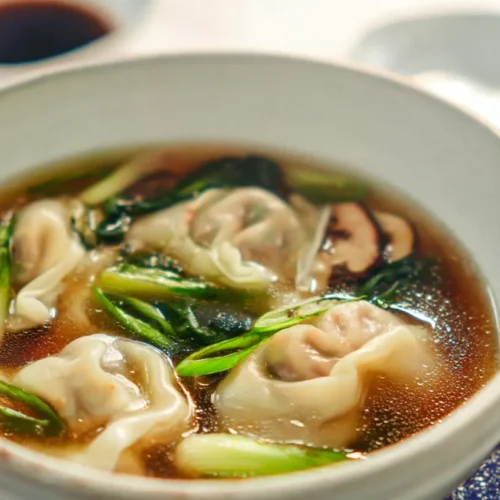
Speedy Weeknight Gyoza Mushroom & Spinach Soup
Equipment
- Large pot
- Dutch oven
Ingredients
Main Ingredients
- 1 tablespoon sesame oil
- 1 small shallot, minced (or 1/4 small onion)
- 2 cloves garlic, minced
- 6 cups chicken or vegetable broth (low-sodium if preferred)
- 1-2 tablespoons soy sauce
- 1 tablespoon rice vinegar
- 1 teaspoon fresh ginger, grated (optional)
- 1 pound frozen gyoza (pork, chicken, or vegetable)
- 2 cups baby spinach or chopped bok choy
- 1 cup sliced mushrooms (shiitake or cremini work well)
Garnish (Optional)
- Green onions, sliced
- Chili oil or sriracha
Instructions
Cooking Steps
- Heat sesame oil in a large pot or Dutch oven over medium heat. Add minced shallot and cook until softened and fragrant for 2-3 minutes.
- Stir in minced garlic and grated ginger (if using) and cook for another minute until aromatic, being careful not to burn the garlic.
- Pour in chicken or vegetable broth, soy sauce, and rice vinegar. Bring to a gentle boil, then reduce heat to a simmer.
- Add frozen gyoza and sliced mushrooms to the simmering broth. Cook for 5-7 minutes, or as per gyoza package directions, until heated through and wrappers are tender.
- Stir in baby spinach or chopped bok choy during the last 2 minutes of cooking until wilted.
- Taste and adjust seasonings as needed, adding more soy sauce or a pinch of salt.
- Ladle into bowls and garnish with sliced green onions and a drizzle of chili oil or sriracha if desired.