
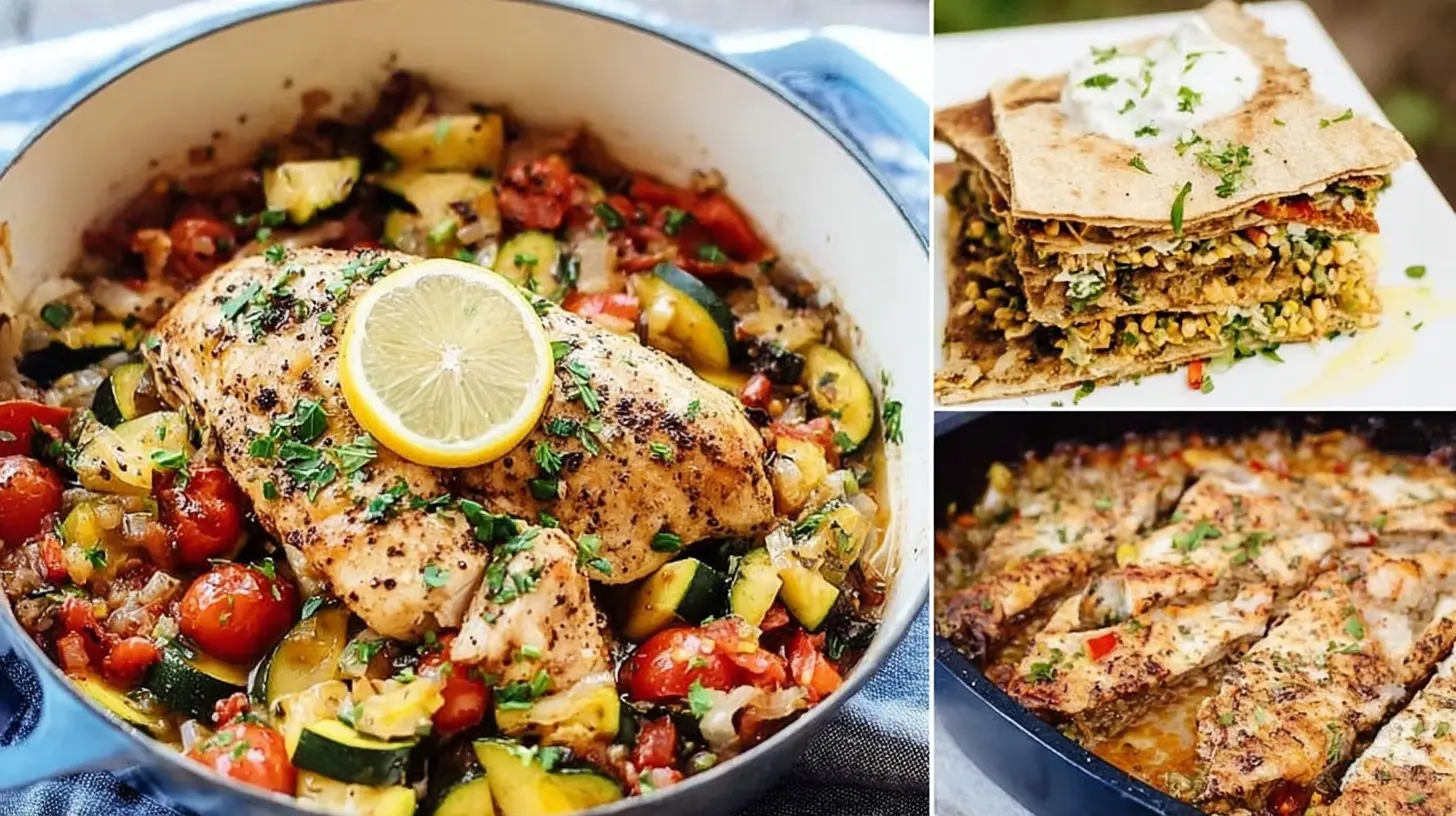
It feels like just yesterday I was staring down an empty fridge and an even emptier wallet, wondering how on earth I was going to pull together a decent meal. Sound familiar? That’s the beauty of budget cooking: it forces creativity and often leads to some of the most satisfying, resourceful meals. This article isn’t just a list of recipes; it’s a guide to transforming your approach to dinner, proving that “cheap” doesn’t have to mean “boring” or “bland.” We’re diving into five fantastic cheap dinner ideas that will stretch your dollar further without sacrificing an ounce of flavor.
Why You’ll Love These Dinner Ideas
Let’s face it, we all love good food, but most of us don’t love the accompanying grocery bill. These dinner ideas are designed for real life – busy weeknights, fluctuating budgets, and the desire for something genuinely tasty. You’ll love them because they focus on affordable, accessible ingredients that pack a punch. We’re talking about meals that are kind to your wallet, simple enough for any home cook, and versatile enough to become weekly staples. Whether you’re feeding a family, cooking for one, or just trying to rein in your food spending, these recipes offer delicious solutions that prove you can eat well on a budget.
> “I used to dread cooking on a budget, thinking it meant endless pasta. But these ideas are a game-changer! My family loves the chili, and I love how much I save. It’s truly delicious and economical!” – A Happy Home Cook
The Cooking Process Explained
The beauty of these budget-friendly meals lies in their straightforward approach. Generally, you’ll start with some foundational, inexpensive ingredients like rice, pasta, eggs, beans, or seasonal vegetables. From there, it’s often about building layers of flavor with aromatics like onions and garlic, and transforming simple proteins into something extraordinary. Many of these dishes are one-pot wonders or come together quickly with minimal fuss. Think about sautéing, simmering, or roasting – techniques that maximize flavor efficiency without requiring complex methods or fancy equipment. The goal is always to create a satisfying, wholesome meal using readily available and affordable components.
What You’ll Need
To kick off your budget-friendly cooking adventure, here’s a general list of ingredients you’ll want to have on hand or look for when shopping:
- Pantry Staples:
- Rice (white or brown)
- Pasta (various shapes)
- Canned beans (black, kidney, chickpeas)
- Canned tomatoes (diced, crushed, sauce)
- Lentils (dried or canned)
- Oats
- Flour
- Sugar
- Salt, pepper, and common dried herbs/spices (e.g., cumin, chili powder, oregano, garlic powder)
- Vegetable or chicken broth/bouillon cubes
- Cooking oil (vegetable, canola, olive)
- Vinegar (apple cider, white)
- Onions, garlic, potatoes
- Affordable Proteins:
- Eggs
- Chicken thighs/drumsticks (often cheaper than breasts)
- Ground meat (pork, turkey, or beef – buy on sale)
- Tofu
- Seasonal Vegetables: Aim for what’s in season and on sale – carrots, cabbage, celery, frozen mixed vegetables are always good bets.
- Dairy/Refrigerated (optional but adds value):
- Milk
- Cheese (blocks are cheaper to grate yourself)
- Yogurt (plain)
(Pro-tip: Stock up on staples when they’re on sale. Dried beans and rice, in particular, offer incredible value and a long shelf life.)
Directions to Follow
While specific directions will vary for each of the five ideas, the general workflow for budget-friendly meals often includes:
- Prep your aromatics: Start by chopping onions, garlic, and any other foundational vegetables.
- Sauté: Cook your aromatics until fragrant, often adding cheaper cuts of meat (if using) to brown.
- Add core ingredients: Incorporate beans, lentils, canned tomatoes, broth, or grains.
- Simmer: Allow the mixture to simmer, letting flavors meld and ingredients cook through. This is key for developing rich flavors in simple dishes.
- Finish: Stir in fresh herbs, a squeeze of citrus, or a dollop of yogurt/cheese for brightness and richness, if desired.
Remember, flexibility is your friend. If you don’t have exactly what a recipe calls for, consider a similar, cheaper alternative you already have.
How to Serve These Budget Meals
Serving budget meals doesn’t mean compromising on presentation or satisfaction. Here are some ideas:
- Hearty Bowls: Many of these dishes, like chili or lentil soup, are perfect served in a warm bowl, perhaps with a sprinkle of fresh cilantro or a dollop of plain Greek yogurt.
- With a Simple Side: Pair a hearty stew or stir-fry with a mound of fluffy rice, a piece of crusty bread, or a quick side salad made from inexpensive greens.
- Family-Style: Serve dishes like pasta bakes or frittatas directly from the cooking vessel, encouraging a relaxed, communal dining experience.
- Garnish for Glamour: Even a humble meal can look elevated with a simple garnish – a sprinkle of paprika, a few chopped green onions, or a wedge of lemon.
Storage and Reheating Tips
One of the great benefits of many cheap dinner ideas is that they often make excellent leftovers, maximizing your effort and saving you time later.
- Refrigeration: Store cooled leftovers in airtight containers in the refrigerator for 3-4 days. Always ensure food is cooled quickly before refrigerating to prevent bacterial growth.
- Freezing: Many of these recipes (think soups, chilis, casseroles, even cooked rice and beans) freeze beautifully. Portion them into freezer-safe containers or bags and they can last for 2-3 months. Thaw overnight in the fridge or use a microwave’s defrost setting.
- Reheating: Most dishes reheat well in the microwave or on the stovetop over medium-low heat. Add a splash of broth or water if things seem too dry. Always reheat food until it’s steaming hot throughout (165°F or 74°C) to ensure safety.
Helpful Cooking Tips
- Meal Planning is King: Before you even step into the grocery store, plan your meals. This reduces impulse buys and helps you use ingredients efficiently across multiple dishes.
- Embrace Staples: Rice, pasta, beans, lentils, and eggs are your best friends. Learn to cook them well and creatively, as they form the backbone of endless budget meals.
- Shop Smart: Look for sales, buy seasonal produce, and don’t shy away from generic brands for staples. The perimeter of the grocery store (produce, dairy, meat) often holds the freshest and best deals.
- Bulk Buy Strategically: If you have the storage space, buying non-perishables like rice, dried beans, or frozen vegetables in larger quantities can save money in the long run.
- Master Flavor Boosters: Inexpensive ingredients like onions, garlic, dried herbs, spices, and a squeeze of lemon or lime can transform simple dishes from bland to brilliant. Don’t underestimate their power!
- Minimize Waste: Learn to use vegetable scraps for broths, repurpose leftovers into new meals, and properly store food to extend its life.
Creative Twists
Budget cooking doesn’t have to be rigid! Here are some ways to get creative:
- Spice it Up: Have a favorite spice blend? Don’t be afraid to experiment with different cuisines. Add curry powder to a lentil dish, or a pinch of smoked paprika to your bean soup.
- Vegetable Swaps: If a recipe calls for bell peppers but carrots are on sale, make the swap! Most root vegetables or hearty greens can be interchanged in many dishes.
- Protein Alternatives: If ground beef is too expensive, consider ground turkey, lentils, or even sautéed mushrooms as a more affordable or plant-based alternative in dishes like chili or pasta sauces.
- Sauce Savvy: A simple dollop of plain yogurt, a drizzle of hot sauce, or a squirt of mustard can completely change the profile of a dish, adding creaminess, heat, or tang.
- Breakfast for Dinner: Don’t forget the power of eggs! A frittata with leftover veggies, or a hearty Spanish tortilla, makes for an incredibly cheap and satisfying dinner.
FAQ
How can I make these cheap dinner ideas even cheaper?
A: Focus on buying ingredients in season and on sale. Cook larger batches to maximize efficiency (and save on energy costs). Prioritize plant-based meals, as protein sources like beans and lentils are often far more affordable than meat. Utilize coupons and store loyalty programs where possible.
What if I don’t have all the spices a recipe calls for?
A: Don’t let a missing spice stop you! For general savory dishes, the core trio of salt, pepper, and garlic powder (or fresh garlic) will get you far. If a spice is integral to a dish’s identity (like cumin in chili), try to get it, but for less critical ones, feel free to omit or substitute with a similar flavor profile if you have it (e.g., oregano for Italian seasoning).
Are these budget meals healthy?
A: Absolutely! Many cheap dinner ideas prioritize whole, unprocessed ingredients like vegetables, beans, grains, and lean proteins. By cooking from scratch, you have complete control over the amount of salt, sugar, and unhealthy fats, making them generally much healthier than processed convenience foods.
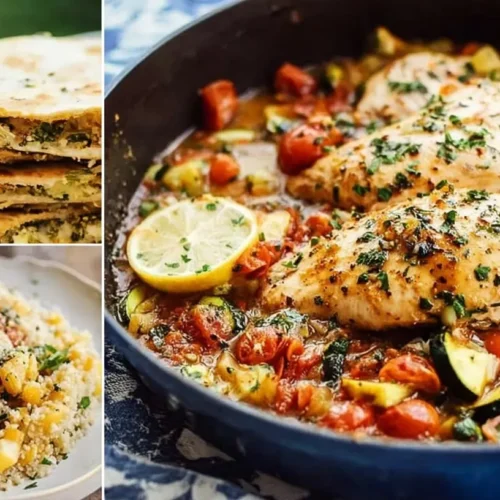
Spicy Tomato & Bean Pasta
Equipment
- Pot
- Large pan
Ingredients
Main Ingredients
- 1 cup dry pasta
- 1 can (14.5 oz) diced tomatoes undrained
- 1 can (15 oz) black beans or kidney beans rinsed and drained
- 1/2 onion chopped (optional)
- 2 garlic cloves, minced (optional)
- 1 tablespoon cooking oil olive or vegetable
- 1/2 teaspoon chili powder or red pepper flakes (optional)
- Salt and pepper to taste
- Water or vegetable broth (from bouillon cube)
Instructions
Cooking Steps
- Cook pasta according to package directions in a separate pot.
- While pasta cooks, heat oil in a large pan over medium heat and sauté chopped onion for 3-5 minutes until softened. Add minced garlic and chili powder or red pepper flakes and cook for 1 minute until fragrant.
- Stir in diced tomatoes and beans, then bring to a simmer. Season with salt and pepper and let simmer for 5-7 minutes to meld flavors.
- Drain cooked pasta and add it directly to the sauce in the pan.
- Stir everything together, adding a splash of water or broth if the sauce is too thick, until the pasta is well coated. Taste and adjust seasoning as needed. Serve hot.