
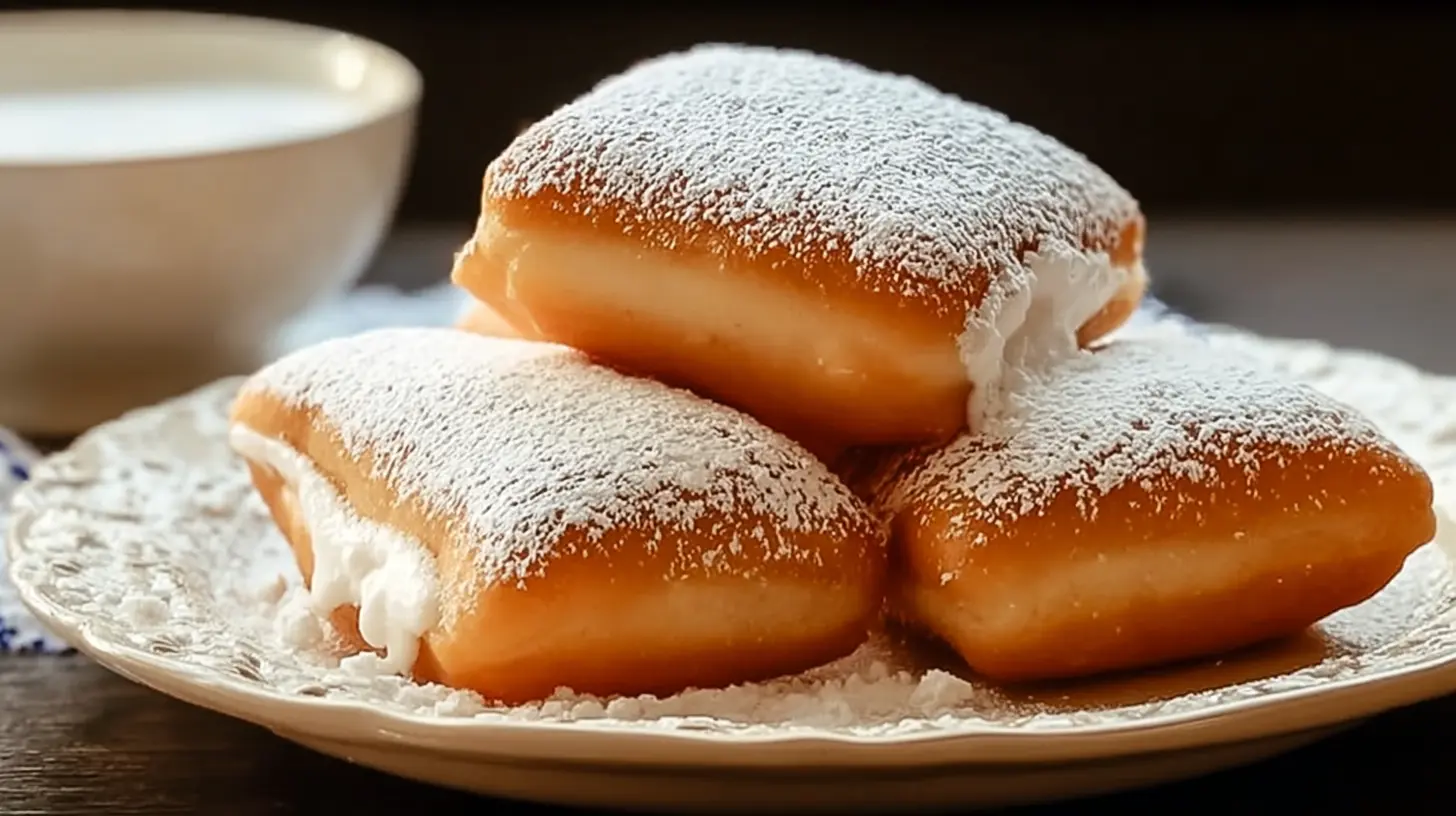
I still vividly remember my first bite of a truly exceptional beignet. It wasn’t just the cloud-like texture or the generous dusting of powdered sugar, but the warm, comforting scent of vanilla that made it unforgettable. Vanilla French Beignets aren’t just pastries; they’re an experience, a little taste of Parisian café culture brought right into your kitchen. And while making them is a joy, knowing how to serve them truly elevates the entire affair. Forget just sprinkling sugar; we’re diving into three distinct ways to present these golden beauties, ensuring every bite is a moment to savor.
Why you’ll love this dish
These aren’t your everyday donuts. Vanilla French Beignets offer a unique combination of airy lightness and rich flavor that’s hard to beat. They’re surprisingly simple to make, especially given the “wow” factor they deliver. Perfect for a leisurely weekend brunch, an afternoon treat with coffee, or even a delightful dessert after a special dinner, beignets bring a touch of elegance and indulgence without hours of complex cooking. Plus, the aroma of vanilla and yeast filling your home is a reward in itself!
> “These beignets are a dream! So light and airy, and the vanilla flavor really shines through. My family devoured them for brunch, and the serving suggestions in this recipe gave us so many fun options!” – HappyBaker92
The cooking process explained
Making Vanilla French Beignets involves a few key steps that, once understood, become quite straightforward. You’ll start by activating your yeast in warm milk and a touch of sugar – this is the magic that makes them so fluffy. Next, you incorporate the flour, eggs, butter, and of course, plenty of vanilla, into a soft, slightly sticky dough. This dough then gets a crucial resting period, allowing it to rise and develop its full flavor. After its beauty sleep, the dough is gently rolled out and cut into squares. The final, most exciting step is deep-frying these squares until they puff up into golden-brown pillows. A quick drain and a generous dusting of powdered sugar, and they’re ready for their grand debut.
What you’ll need
Gather these items for your journey to beignet bliss:
- Active Dry Yeast: 2 ¼ teaspoons (one standard packet)
- Warm Whole Milk: ½ cup (around 105-115°F/40-46°C)
- Granulated Sugar: ¼ cup, plus 1 tablespoon
- Large Eggs: 2, at room temperature
- Unsalted Butter: 3 tablespoons, melted and cooled
- All-Purpose Flour: 3 cups, stirred, then spooned and leveled
- Vanilla Extract: 2 teaspoons, pure
- Salt: ½ teaspoon
- Vegetable Oil (or other neutral oil): For deep- frying, about 6-8 cups
- Powdered Sugar: For dusting
Directions to follow
Follow these steps carefully to create your perfect batch of Vanilla French Beignets:
- Activate the Yeast: In a large bowl, combine the warm milk and 1 tablespoon of granulated sugar. Sprinkle the active dry yeast over the top and let it sit for 5-10 minutes until foamy. This shows your yeast is alive and ready to work!
- Mix Wet Ingredients: To the yeast mixture, add the remaining ¼ cup of granulated sugar, eggs, melted butter, and vanilla extract. Whisk gently until well combined.
- Form the Dough: Gradually add the flour and salt to the wet ingredients, mixing with a wooden spoon or a stand mixer with a dough hook attachment until a soft, shaggy dough forms.
- Knead the Dough: Turn the dough out onto a lightly floured surface and knead for about 5-7 minutes, or use a stand mixer for 3-4 minutes, until it’s smooth and elastic. It will be slightly sticky, but shouldn’t stick excessively to your hands.
- First Rise: Lightly grease a clean bowl with oil. Place the dough in the bowl, turning it once to coat. Cover the bowl with plastic wrap or a clean kitchen towel and let it rise in a warm place for 1.5 to 2 hours, or until doubled in size.
- Prep for Frying: Once risen, gently punch down the dough to release the air. On a lightly floured surface, roll the dough out to an even ½-inch thickness. Using a sharp knife or a pastry wheel, cut the dough into 2-inch squares.
- Heat the Oil: In a heavy-bottomed pot or Dutch oven, pour enough vegetable oil to reach about 2-3 inches deep. Heat the oil over medium-high heat until it reaches 350°F (175°C). Use a candy thermometer for accuracy.
- Fry the Beignets: Carefully drop 3-4 beignet squares into the hot oil, being careful not to overcrowd the pot. Fry for 1-2 minutes per side, or until golden brown and puffed up.
- Drain and Dust: Using a slotted spoon or spider, transfer the fried beignets to a wire rack set over a baking sheet lined with paper towels to drain excess oil. While still warm, liberally dust them with powdered sugar.
- Serve Immediately: Beignets are best enjoyed fresh and warm!
How to plate and pair
This is where the fun truly begins! Vanilla French Beignets are wonderful on their own, but here are three distinct ways to serve them, making each experience unique:
- The Classic New Orleans: This is the most traditional and simplest approach. After frying, generously pile your warm beignets onto a platter and dust them heavily with powdered sugar. Serve immediately with hot chicory coffee or a strong, dark roast. The bitterness of the coffee beautifully complements the sweetness of the beignets.
- Elegant Parisian Café Style: Arrange two or three warm beignets on a small plate alongside a small bowl of rich chocolate dipping sauce or a homemade raspberry coulis. A dollop of crème fraîche or a light dusting of cocoa powder for contrast can add to the sophisticated presentation. This is perfect for a more upscale dessert or a special occasion.
- Breakfast Bonanza: Turn your beignets into a delightful breakfast or brunch centerpiece. Serve them warm with small bowls of fresh fruit (berries, sliced bananas), a side of crispy bacon or breakfast sausage, and a pitcher of maple syrup. The combination of sweet, savory, and fresh elements makes for a truly satisfying start to the day.
Keeping leftovers fresh
Vanilla French Beignets are undeniably at their absolute best when fresh and warm. However, if you happen to have any leftovers (a rare occurrence!), you can store them.
- Storage: Place completely cooled beignets in an airtight container at room temperature for up to 1 day. Do not store them in the refrigerator, as they tend to dry out and become tough.
- Reheating: To best revive them, reheat in a preheated oven at 300°F (150°C) for about 5-7 minutes, or until just warmed through. Avoid microwaving, as this will make them chewy. Re-dust with powdered sugar just before serving.
- Freezing: Freezing fried beignets isn’t generally recommended as they lose their delicate texture upon thawing. If you must, freeze unfried dough squares on a baking sheet, then transfer to a freezer bag. When ready to fry, thaw completely, allow for a second short rise if needed, and then proceed with frying.
Pro chef tips
- Temperature is Key: The oil temperature for frying is crucial. If it’s too cool, the beignets will absorb too much oil and become greasy. If it’s too hot, they’ll brown too quickly on the outside and remain raw inside. Invest in a good candy/fry thermometer.
- Don’t Over-Flour: When rolling out the dough, use just enough flour to prevent sticking. Too much flour will result in dry, tough beignets.
- Vanilla Quality Matters: Since vanilla is a star flavor here, use pure vanilla extract, not imitation. Better yet, try using vanilla bean paste for an even more intense and authentic vanilla flavor, and those beautiful little specks!
- Dust While Warm: Always dust your beignets with powdered sugar while they are still warm. The heat helps the sugar adhere better and slightly melt into a delicious, sweet coating.
- Work in Batches: Don’t overcrowd the pot when frying. This lowers the oil temperature and leads to uneven cooking. Fry in small batches to maintain optimal oil temperature and ensure even browning.
Creative twists
While the classic Vanilla French Beignet is perfect as is, here are a few ways to play with the recipe:
- Spiced Vanilla: Add ½ teaspoon of ground cinnamon or a pinch of nutmeg to the dry ingredients for a subtle warming spice note.
- Citrus Zest: Incorporate the finely grated zest of one orange or lemon into the dough for a bright, aromatic twist that pairs beautifully with the vanilla.
- Filled Beignets: After frying, you can gently pipe a small amount of fruit jam, pastry cream, or Nutella into the center of the beignets using a piping bag with a fine tip.
- Maple Glaze: Instead of just powdered sugar, whip up a simple maple glaze (powdered sugar, a splash of milk, and a tablespoon or two of maple syrup) and drizzle it over the warm beignets.
Common questions
How do I know if my yeast is still good?
To check if your active dry yeast is still good, combine it with the warm milk (105-115°F/40-46°C) and a pinch of sugar. Let it sit for 5-10 minutes. If it becomes foamy and bubbly, your yeast is active and ready to use. If nothing happens, it’s likely expired, and you’ll need a new packet.
Can I make the dough ahead of time?
Yes, you can prepare the dough the night before. After the first rise, gently punch down the dough, cover the bowl tightly with plastic wrap, and refrigerate it overnight. The next morning, let the dough sit at room temperature for about 30-60 minutes to take off the chill before rolling and cutting, then proceed with frying. This slow, cold proof can also deepen the flavor.
My beignets aren’t puffing up – what went wrong?
Several factors could lead to flat beignets:
- Inactive Yeast: If your yeast wasn’t active, the dough won’t rise.
- Oil Temperature: Oil that’s too cool won’t create the immediate puff.
- Dough Not Risen Enough: Ensure the dough has doubled in size during its first rise.
- Overworking the Dough: Too much kneading after the first rise can develop too much gluten and make them dense. Handle the dough gently after the first rise.