
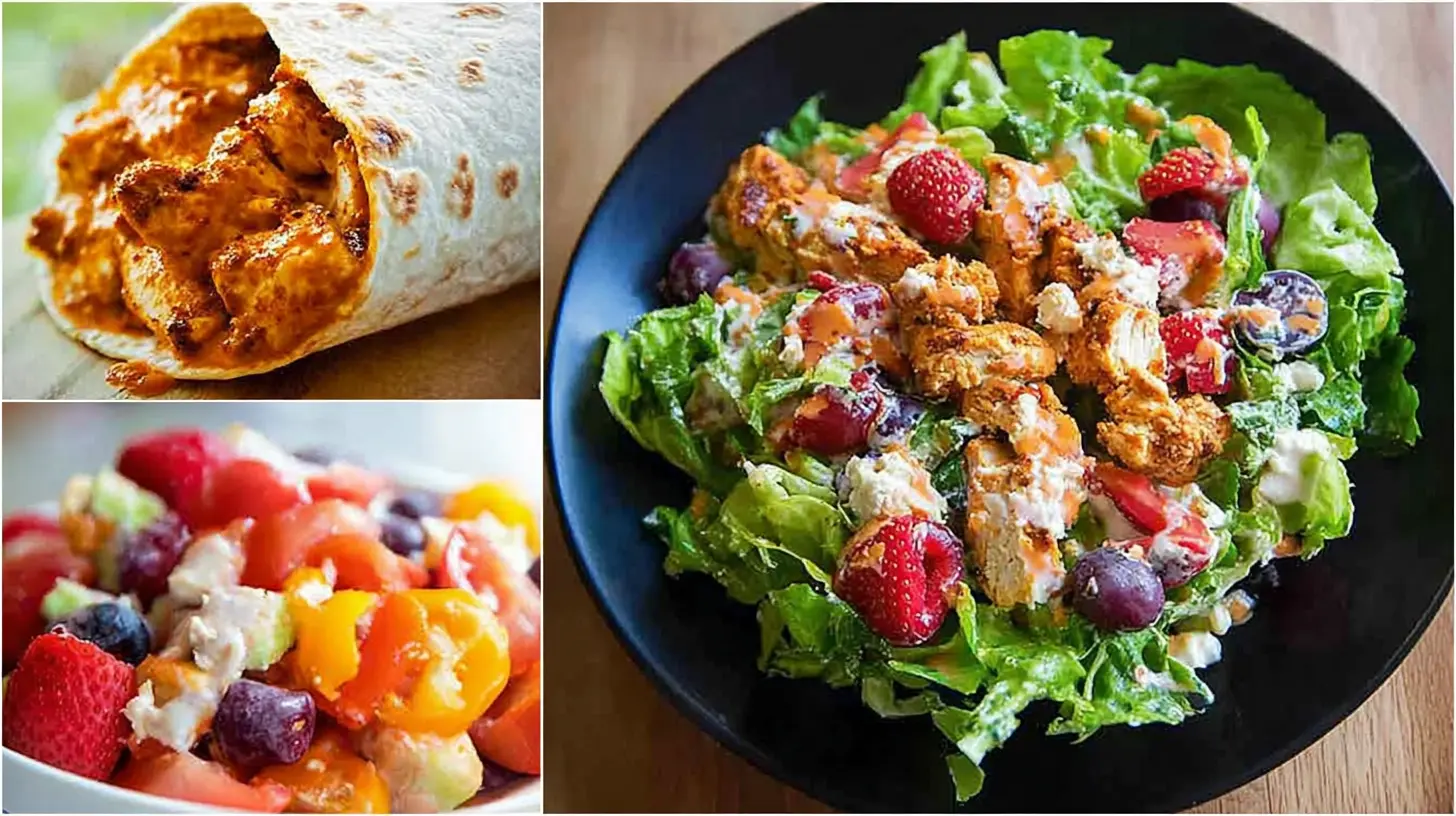
I used to dread lunchtime. The endless “what should I eat?” dilemma, followed by the inevitable mountain of dishes, often led to skipped meals or boring sandwiches. That all changed when I discovered the magic of one-pan wonders. Suddenly, lunchtime became a breeze! This collection of 11 easy lunch recipes is inspired by that transformation, designed to bring effortless flavor and minimal cleanup to your midday routine, just like they did for mine.
Why You’ll Love This Dish
Let’s be honest, who doesn’t want less stress in their day, especially around meal times? This collection of one-pan wonders is a game-changer for anyone looking to simplify their lunch routine without sacrificing taste. Each recipe is designed for maximum flavor with minimal effort, making them perfect for busy weekdays, lazy weekends, or even meal prepping. You’ll love the sheer convenience – everything cooks in a single pan, which means less time spent scrubbing pots and more time enjoying your delicious creation. These dishes are also incredibly versatile, allowing you to easily adapt them to whatever ingredients you have on hand, ensuring variety and reducing food waste.
> “I used to always order takeout for lunch because cooking felt like too much of a chore. These one-pan recipes totally changed my perspective! They’re so quick and easy, and cleanup is a dream. My personal favorite is the sheet pan sausage and veggies – so much flavor!” – A happy home cook
The Cooking Process Explained
The beauty of these one-pan wonders lies in their straightforward approach. While each of the 11 recipes has its unique steps, the general process revolves around tossing your chosen ingredients with seasonings and a little oil directly onto a baking sheet, into an oven-safe skillet, or even a single pot on the stovetop. Then, you simply cook until everything is tender and beautifully browned. Many recipes involve an initial high-heat roast or sauté to get some color, followed by a slightly lower temperature to ensure everything cooks through evenly. The emphasis is always on efficient cooking and maximizing flavor development within that single vessel.
What You’ll Need
Key Ingredients
Since this article covers 11 different one-pan wonders, the ingredient list is quite varied! However, here’s a general idea of what you’ll often find yourself reaching for:
- Proteins: Chicken breasts or thighs (cut into bite-sized pieces), sausages (smoked, Italian, or chicken), firm tofu (pressed and cubed), shrimp, canned chickpeas or black beans.
- Vegetables: Bell peppers (various colors), broccoli florets, cauliflower florets, zucchini, cherry tomatoes, onions, sweet potatoes (cubed), red potatoes (quartered), spinach.
- Starches/Grains: Quinoa, couscous, pasta (small shapes like orzo or elbow), rice (pre-cooked or quick-cooking varieties for some recipes).
- Flavor Boosters: Garlic (minced), fresh herbs (parsley, cilantro, thyme, rosemary), lemon, lime, various spices (paprika, cumin, chili powder, oregano, Italian seasoning), soy sauce, hot sauce, olive oil, sesame oil.
- Dairy/Toppings (optional): Feta cheese, Parmesan cheese, shredded cheddar, a dollop of Greek yogurt or sour cream.
Pro-tip: Keep your pantry stocked with essential spices and oils, and your fridge with versatile veggies that can be mixed and matched across different dishes.
Directions to Follow
Given there are 11 distinct recipes, providing individual step-by-step instructions for each here would be quite lengthy! However, the core principle for all these easy lunch recipes, our “11 One-Pan Wonders,” follows a similar pattern:
- Prep Your Ingredients: Dice, chop, and slice all your chosen proteins and vegetables according to the specific recipe instructions. This usually means cutting them into roughly similar-sized pieces to ensure even cooking.
- Combine and Season: In your chosen “pan” (whether it’s a baking sheet, oven-safe skillet, or large pot), combine your prepped ingredients. Drizzle generously with olive oil (or other specified oil), add your seasonings, herbs, and any sauces. Toss everything together until well coated.
- Cook:
- For Sheet Pan Recipes: Spread the seasoned ingredients in a single layer on a parchment-lined baking sheet. Roast in a preheated oven at the specified temperature (often 375-425°F or 190-220°C) until the vegetables are tender-crisp and the protein is cooked through. You might need to flip or stir halfway.
- For Skillet/Pot Recipes: Heat a little oil in the pan over medium-high heat. Add ingredients in stages as directed (e.g., sear protein first, then add vegetables/grains) and cook, stirring occasionally, until everything is done. Liquid might be added for pasta or rice dishes, then brought to a simmer and cooked until absorbed.
- Finish and Serve: Once cooked, remove from heat. If desired, garnish with fresh herbs, a squeeze of lemon, or cheese. Portions can be served directly from the pan or transferred to lunch containers.
The key is to read the specific recipe you choose carefully and follow its unique cooking times and temperature guidelines for the best results!
Best Ways to Enjoy It
These one-pan wonders are incredibly versatile when it comes to serving. For a quick and satisfying lunch, you can simply enjoy them straight out of the pan. Many of these recipes are complete meals on their own, offering a perfect balance of protein, vegetables, and sometimes a carb.
However, if you’re looking to elevate your meal or make it a bit heartier, consider these suggestions:
- Grain Base: Serve a portion over a bed of fluffy quinoa, brown rice, couscous, or even a quick-cooking farro. This adds extra substance and absorbs the delicious pan juices.
- Fresh Greens: Add a handful of fresh spinach, arugula, or mixed greens to your plate. The warmth of the cooked ingredients will slightly wilt the greens, creating a lovely contrast in texture and a boost of nutrients.
- Sauce or Dressing: A drizzle of your favorite sauce can transform the dish. Think a dollop of Greek yogurt or tzatziki, a swirl of pesto, a spicy Sriracha mayo, or a squeeze of fresh lemon juice for brightness.
- Crusty Bread: For recipes with saucier elements, a side of crusty bread or warm pita is perfect for soaking up every last bit of flavor.
- Cheese: A sprinkle of freshly grated Parmesan, crumbled feta, or a little shredded cheddar can add a wonderful salty, savory finish.
Keeping Leftovers Fresh
One of the great things about these one-pan wonders is how well they stand up to storage, making them ideal for meal prepping!
Storage:
Allow your cooked one-pan creation to cool completely before transferring it to an airtight container. This is crucial to prevent condensation and keep the food from becoming soggy. Store in the refrigerator for up to 3-4 days.
Reheating:
- Microwave: For a quick reheat, place your portion in a microwave-safe dish. Heat on high for 1-2 minutes, stirring halfway, until heated through. If it seems a little dry, add a splash of water or broth before heating.
- Oven/Toaster Oven: To maintain some of that lovely crispness (especially for roasted veggies), transfer your leftovers to a baking dish. Cover loosely with foil and reheat in a preheated oven at 300°F (150°C) for 10-15 minutes, or until warmed through. Uncover for the last few minutes if you want to crisp it up.
- Stovetop: For dishes that were initially cooked in a skillet (or if you prefer a stovetop reheat), place leftovers in a pan with a tablespoon or two of water or broth. Heat over medium-low, stirring occasionally, until thoroughly warmed.
Freezing (for suitable recipes):
Some one-pan recipes, particularly those with heartier vegetables and proteins (like chicken and root vegetables), freeze well. Avoid freezing dishes with delicate greens or creamy sauces, as these can become watery upon thawing. To freeze, allow to cool completely, then transfer to freezer-safe containers or bags, removing as much air as possible. Freeze for up to 2-3 months. Thaw overnight in the refrigerator before reheating. Always reheat until piping hot (165°F / 74°C internal temperature) for food safety.
Pro Chef Tips
- Don’t Overcrowd the Pan: This is perhaps the most crucial tip for any one-pan recipe. If you pile too many ingredients onto a single baking sheet or into a skillet, they will steam instead of roast or sauté. This leads to soggy, lackluster results instead of beautifully caramelized vegetables and perfectly cooked proteins. Use two pans if necessary, or work in batches.
- Chop Evenly: Aim for uniform sized pieces for your vegetables and proteins. This ensures everything cooks at roughly the same rate, preventing some ingredients from being overcooked while others are still raw.
- High Heat is Your Friend: Many one-pan recipes, especially those relying on the oven, benefit from higher cooking temperatures (e.g., 400-425°F or 200-220°C). This promotes browning and caramelization, unlocking deeper flavors and creating delicious textures.
- Season Generously (and Taste!): Don’t be shy with your seasonings. A good amount of salt, pepper, and herbs is essential. Taste the ingredients before cooking if feasible (e.g., a bit of seasoned oil on a veggie) and definitely after to adjust as needed. A squeeze of lemon or a dash of vinegar at the end can brighten up any dish.
- Parchment Puts in Work: For sheet pan meals, always line your baking sheet with parchment paper. It not only makes cleanup an absolute breeze (seriously, lift it out and toss!) but also helps prevent sticking and promotes even cooking.
Creative Twists
These 11 one-pan wonders are fantastic starting points, but don’t be afraid to get creative and make them your own!
- Spice It Up: Love a little heat? Add a pinch of red pepper flakes, a dash of cayenne, or a swirl of chili oil. For Indian-inspired flavors, try garam masala and turmeric. Go smoky with chipotle powder.
- Herb Variations: Swap out traditional Italian herbs for a Mediterranean vibe with oregano and marjoram, or go fresh with vibrant cilantro and mint for a Middle Eastern twist. Dried herbs work great during cooking, but a sprinkle of fresh herbs at the end always brightens things up.
- Protein Power-Ups: Instead of chicken, try firm tofu or tempeh for a vegetarian option. Ground turkey or beef can easily be browned in a skillet with veggies, or use pre-cooked lentils for a plant-based boost. Seafood like cod or salmon fillets can be baked alongside quicker-cooking vegetables.
- Veggie Swaps: The beauty is in the flexibility! Can’t find broccoli? Use cauliflower. No sweet potatoes? Try butternut squash or carrots. Almost any hearty vegetable can find a home in a one-pan meal. Just consider its cooking time and adjust piece size accordingly.
- Sauce Sensations: A simple squeeze of lime juice can lift an entire dish. For richer flavors, a drizzle of balsamic glaze, a spoonful of pesto, or a swirl of peanut sauce can transform the meal. Don’t forget the power of a splash of soy sauce or a dash of Worcestershire!
- Cheesy Finishes: A sprinkle of cheese towards the end of cooking (or just before serving) adds an extra layer of flavor and comfort. Think crumbled feta for Mediterranean dishes, Parmesan for Italian, or a sharp cheddar for more robust meals.
Common Questions
Can I use frozen vegetables in these one-pan recipes?
A: Absolutely, in many cases! Frozen vegetables like broccoli, cauliflower, Brussels sprouts, or bell peppers work well. The key is often to not thaw them first, as thawing can make them watery. Spread them in a single layer on your pan directly from frozen. They might take a few extra minutes to cook than fresh vegetables due to the added moisture, but they are a fantastic time-saver. Avoid frozen delicate greens like spinach unless the recipe specifically calls for them, as they tend to release too much water.
I’m short on time. Which of the 11 recipes are the quickest?
A: While all 11 are designed for ease, recipes involving quick-cooking proteins like shrimp or pre-cooked sausage, paired with fast-roasting vegetables like bell peppers, zucchini, or cherry tomatoes, will be the fastest. Skillet-based dishes that involve minimal chopping and quick searing also fall into this category. Sheet pan meals generally require about 20-30 minutes of cook time once prepped. Look for recipes that use pre-cut ingredients or don’t require extensive browning.
How can I make these one-pan meals suitable for dietary restrictions (e.g., gluten-free, dairy-free)?
A: Many one-pan recipes are naturally very adaptable!
- Gluten-Free: Focus on recipes that use naturally gluten-free ingredients like fresh vegetables, proteins, and healthy fats. For any recipes that call for pasta, simply swap it for a gluten-free pasta variety. Always check sauces and seasonings to ensure they are certified gluten-free.
- Dairy-Free: Most one-pan meals are dairy-free by default. If a recipe calls for cheese, simply omit it or use a dairy-free cheese alternative. A squeeze of lemon or a sprinkle of nutritional yeast can often add a similar savory depth.
- Vegetarian/Vegan: Many one-pan concepts can be made vegetarian or vegan by swapping meat with plant-based proteins like chickpeas, black beans, lentils, firm tofu, or tempeh. Ensure you’re using vegetable broths and oils.
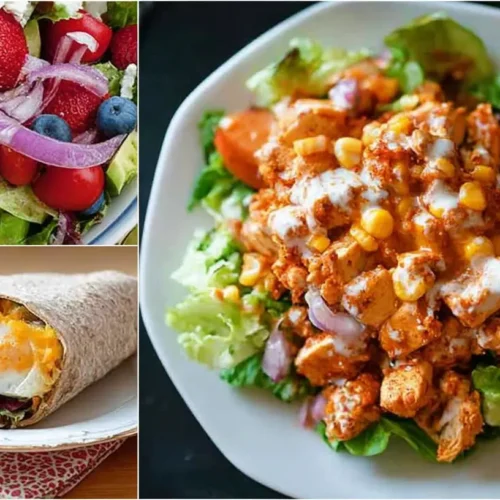
Speedy Mediterranean Quinoa Salad with Chicken
Equipment
- large bowl
- small bowl
- whisk
- airtight containers
Ingredients
Salad
- 1 cup cooked quinoa
- 6 oz cooked chicken breast shredded or diced
- 1/2 cup cherry tomatoes halved
- 1/4 cup cucumber diced
- 1/4 cup red onion thinly sliced
- 1/4 cup Kalamata olives halved
- 2 tablespoons crumbled feta cheese
Dressing
- 2 tablespoons olive oil
- 1 tablespoon lemon juice
- 1 teaspoon dried oregano
- Salt and freshly ground black pepper to taste
For Serving (Optional)
- 2 cups mixed greens
Instructions
Preparation
- In a large bowl, combine the cooked quinoa, shredded chicken, halved cherry tomatoes, diced cucumber, sliced red onion, and Kalamata olives.
Dressing
- In a small separate bowl, whisk together the olive oil, lemon juice, dried oregano, salt, and pepper to create the dressing.
Combine and Serve
- Pour the dressing over the quinoa and chicken mixture and toss gently to ensure all ingredients are well coated.
- Stir in the crumbled feta cheese.
- Portion the salad into individual airtight containers; if serving with mixed greens, pack them separately to prevent sogginess.
- Refrigerate for up to 3-4 days and enjoy chilled.