
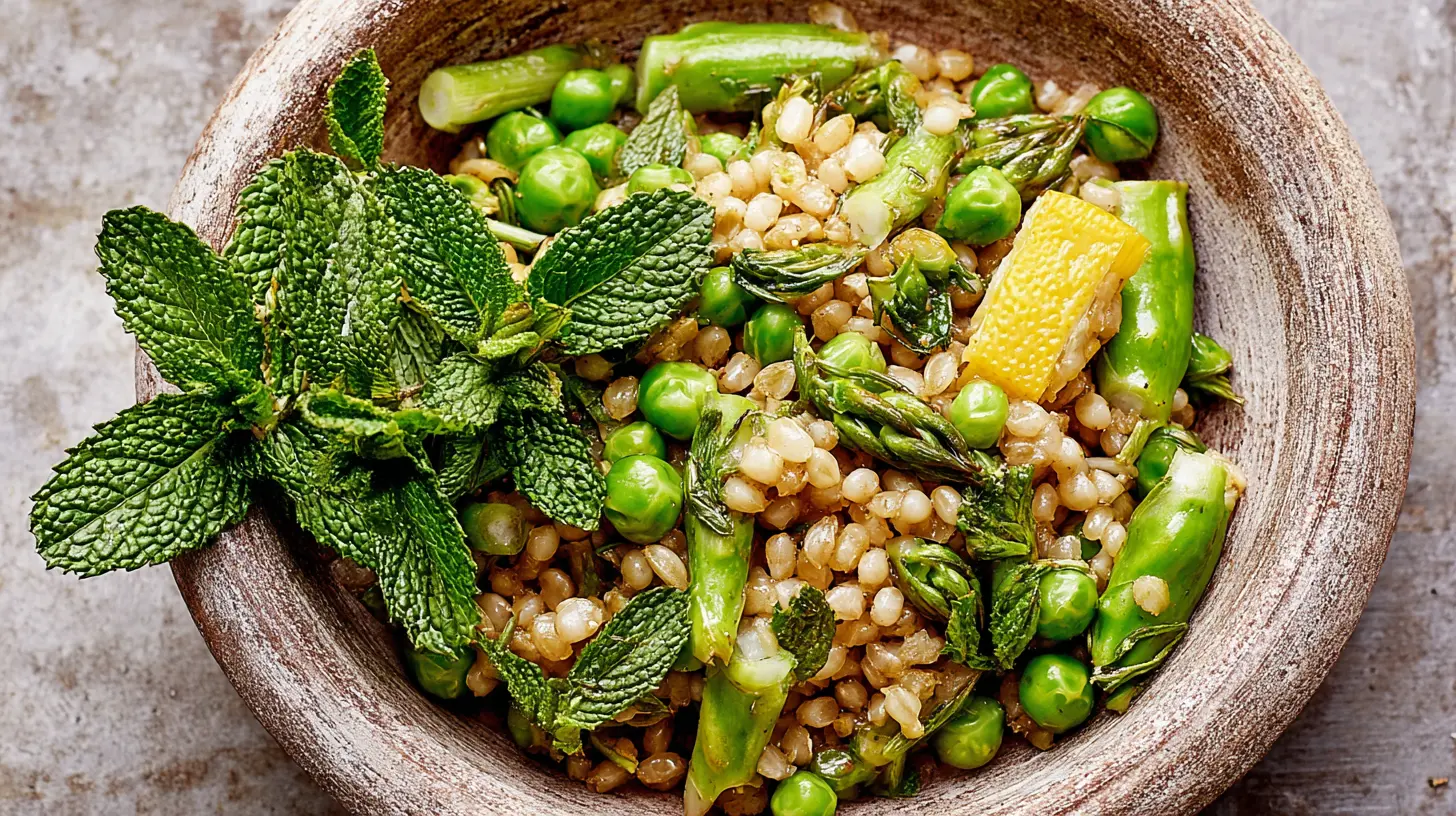
The first sign of spring always makes me crave fresh, bright flavors, and nothing screams “spring” quite like crisp, vibrant vegetables kissed with a zesty lemon tang. I remember one blustery March afternoon, feeling the winter blues something fierce, and deciding to throw together whatever green things I could find with a good squeeze of lemon. The result was pure sunshine on a plate – a simple, yet utterly satisfying dish that instantly lifted my spirits. If you’re anything like me and ready to shake off the dormancy of winter, you’re in for a treat.
Why You’ll Love This Dish
This collection of lemony spring vegetable recipes isn’t just about eating your greens; it’s about celebrating the season’s bounty in the most delicious way possible. Each recipe is designed to be quick, refreshing, and incredibly flavorful, making them perfect for those busy weeknights when you still want something special. They’re also fantastic for lighter lunches, elegant side dishes for entertaining, or even a vibrant addition to a spring brunch. The versatility of lemon with fresh vegetables is truly unmatched, offering a delightful balance of bright acidity and natural sweetness.
> “I thought I wasn’t a big fan of green veggies, but the lemon in these recipes truly transforms them! So fresh and surprisingly easy.” – A Happy Home Cook
How This Recipe Comes Together
While we’re diving into seven distinct recipes, the general approach to perfecting lemony spring vegetables often follows a delightful rhythm. Typically, you’ll start by preparing your chosen spring vegetables – think asparagus, peas, green beans, or even tender young carrots. This might involve a quick trim, blanching, or a gentle sauté. The magic then happens with the lemon: a squeeze of fresh juice, a sprinkle of zest, sometimes even a bright vinaigrette. Often, a few fresh herbs like dill or parsley are added at the end to amplify that fresh-from-the-garden taste. It’s all about showcasing the natural beauty and flavor of these seasonal gems with a zesty kick.
What You’ll Need
The beauty of lemony spring vegetable dishes is that they rely on fresh, high-quality ingredients to shine. While specific ingredients will vary for each of the 7 recipes, here’s a general rundown of what you’ll likely gather:
- Fresh Spring Vegetables: Asparagus, peas (fresh or frozen), green beans, spinach, broccoli raab, tender spring carrots, snap peas, artichoke hearts, zucchini. Choose what’s in season and looks crisp!
- Lemons: Fresh lemons are non-negotiable here. You’ll need both the zest (for intense lemon flavor without too much acidity) and the juice.
- Olive Oil: A good quality extra virgin olive oil for sautéing or dressing.
- Garlic: Freshly minced garlic adds an aromatic depth that complements the lemon well.
- Fresh Herbs: Parsley, dill, mint, or chives often make a wonderful addition, bringing an extra layer of freshness.
- Salt and Freshly Ground Black Pepper: Essential for seasoning and bringing out the natural flavors.
- Optional Enhancements: A pinch of red pepper flakes for heat, a sprinkle of Parmesan cheese, toasted nuts like almonds or pine nuts for crunch, or a splash of white wine for deglazing.
Directions to Follow
Since this article covers 7 different recipes, detailed step-by-step instructions for each will be found within the specific recipe sections. However, here’s a general approach that often applies to many lemony spring vegetable preparations:
- Prepare your vegetables: Wash and trim your chosen spring vegetables. For fibrous stems like asparagus, snap off the tough ends. For peas, shell them if fresh.
- Cook the vegetables: Depending on the vegetable and desired texture, you might blanch them in boiling water for a few minutes (e.g., green beans, peas), steam them until tender-crisp, or sauté them in a pan with a little olive oil and garlic.
- Introduce the lemon: Once the vegetables are cooked to your liking, remove them from the heat. Add a generous squeeze of fresh lemon juice and a sprinkle of lemon zest.
- Season and finish: Season with salt and freshly ground black pepper to taste. If using, stir in fresh herbs. A final drizzle of extra virgin olive oil can add richness and shine.
- Serve immediately: Lemony spring vegetables are best enjoyed fresh and warm, when their vibrant flavors are at their peak.
How to Serve It
These lemony spring vegetable dishes are incredibly versatile in how they can be served. My favorite way to enjoy them is often as a bright, herbaceous side dish. Imagine a platter of lemon-garlic asparagus alongside grilled salmon or pan-seared chicken. They also make a fantastic light lunch on their own, perhaps topped with a poached egg and a sprinkle of feta. For a heartier meal, toss them with pasta for a quick vegetarian dinner, or fold them into a rice pilaf. Don’t forget that their vibrant colors and fresh flavors make them wonderful additions to a spring brunch spread, complementing everything from quiches to frittatas.
Keeping Leftovers Fresh
Most lemony spring vegetable dishes are best enjoyed fresh, but leftovers can absolutely be stored. Place any cooled leftovers in an airtight container and refrigerate for up to 3 days. When reheating, I usually opt for a gentle sauté in a pan with a tiny bit of olive oil or a quick zap in the microwave until just warm, trying not to overcook them to maintain their texture. Freezing isn’t ideal for most fresh, cooked vegetables with delicate textures, as they can become mushy upon thawing. However, blanched peas or green beans destined for a casserole can be frozen before the final lemon dressing is added.
Helpful Cooking Tips
- Don’t skip the zest! Lemon zest contains essential oils that carry a much more potent lemon flavor than the juice alone, without adding extra acidity. Always zest your lemon before juicing it.
- Fresh is best: For these recipes, truly fresh spring vegetables make all the difference. Choose vibrant, firm vegetables that aren’t wilted.
- Cook until tender-crisp: Overcooked vegetables can lose their vibrant color and delightful bite. Aim for tender-crisp – they should still have a little snap to them.
- Taste as you go: Lemon juice varies in acidity. Start with a smaller amount and add more to taste until you reach your desired tanginess.
- Finish with fresh herbs: Stirring in fresh parsley, dill, or chives right at the end preserves their bright flavor and beautiful color.
Creative Twists
While the classic lemony spring vegetable is wonderful, there are endless ways to play with flavors and textures.
- Add a touch of heat: A pinch of red pepper flakes sautéed with the garlic can give a lovely warmth.
- Make it cheesy: A sprinkle of freshly grated Parmesan, Pecorino, or even crumbled goat cheese can add a creamy, salty kick.
- Go nutty for crunch: Toasted slivered almonds, pine nuts, or chopped walnuts offer a delightful textural contrast.
- Herb variations: Experiment with different fresh herbs like tarragon with asparagus, or mint with peas.
- Roasted magic: Instead of sautéing, toss sturdy vegetables like asparagus or broccoli with olive oil, salt, and pepper, then roast until tender, finishing with lemon juice and zest.
- Vinaigrette boost: Instead of just juice, whip up a quick lemon vinaigrette with olive oil, Dijon mustard, and a touch of honey for an extra layer of flavor.
Your Questions Answered
FAQ
Q: Can I use frozen spring vegetables?
A: Yes, absolutely! Frozen peas, green beans, and even some mixed spring vegetable blends work wonderfully, especially when fresh options aren’t readily available. Just adjust cooking time as frozen vegetables tend to cook faster.
Q: How do I prevent the lemon from making my vegetables bitter?
A: Bitterness usually comes from using too much white pith from the lemon when zesting, or from overcooking the lemon juice itself. Always zest carefully, avoiding the white part, and add the lemon juice and zest after the vegetables are mostly cooked, often right at the end, off the direct heat.
Q: Are these recipes healthy?
A: Yes, these lemony spring vegetable recipes are incredibly healthy! They are packed with vitamins, minerals, and fiber from the vegetables, and provide healthy fats from olive oil. Lemon adds flavor without extra calories, making them a fantastic addition to a balanced diet.
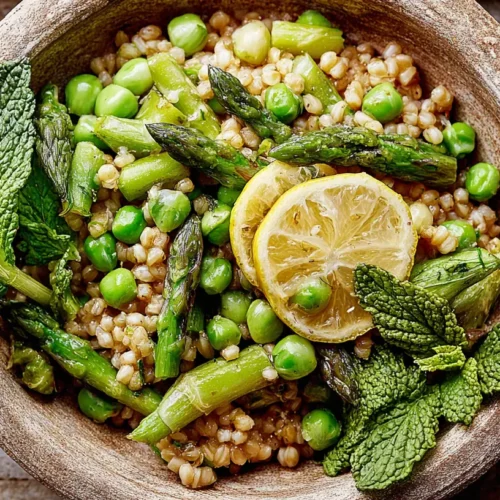
Zesty Lemony Garden Pasta with Roasted Roots
Equipment
- large pot
- small pot
- ice bath
- large skillet or Dutch oven
- large baking sheet
- oven
Ingredients
For the Zesty Lemony Garden Pasta:
- 12 oz short pasta (e.g., orecchiette, farfalle)
- 1 tbsp olive oil
- 2 cloves garlic minced
- 1 bunch asparagus (about 1 lb / 450g), trimmed and cut into 1-inch pieces
- 1 cup peas fresh or frozen
- 1/2 cup vegetable broth or reserved pasta water
- 3-4 tbsp lemon juice Juice of 1 large lemon
- lemon zest Zest of 1 large lemon
- 1/4 cup Parmesan cheese grated (omit for vegan), plus more for serving
- 2 tbsp fresh parsley chopped
- 1/2 cup cooked chickpeas (for vegan protein boost)
- Salt and black pepper to taste
- red pepper flakes Optional: pinch of
For the Roasted Roots & Greens (Side):
- 1 lb baby new potatoes (450g), halved or quartered
- 1 bunch asparagus (about 1 lb / 450g), trimmed and cut into 1-inch pieces
- 1 cup cherry tomatoes halved
- 1 small red onion thinly sliced or cut into wedges
- 2 tbsp olive oil
- 2 tbsp lemon juice Juice of 1 small lemon
- lemon zest Zest of 1 small lemon
- 1 tsp dried oregano
- 1/4 cup halloumi cheese cubes (omit for vegan), or additional chickpeas
- Salt and black pepper to taste
- fresh dill Optional: for garnish
Instructions
A. Prepare the Zesty Lemony Garden Pasta:
- Cook pasta according to package directions, reserving ½ cup pasta water before draining.
- Blanch asparagus for 2-3 minutes, then add peas for 1 minute; drain and shock in ice bath.
- Sauté minced garlic in olive oil until fragrant.
- Combine cooked pasta, blanched vegetables, chickpeas, broth or pasta water, lemon juice, and zest in a skillet; toss to coat.
- Stir in Parmesan and parsley; season to taste and serve with extra Parmesan.
B. Prepare the Roasted Roots & Greens (Side):
- Preheat oven to 400°F (200°C). Toss potatoes with olive oil, salt, and pepper, then roast for 15 minutes.
- Add asparagus, tomatoes, red onion, remaining olive oil, lemon juice, zest, oregano, and halloumi or chickpeas to potatoes; toss and season.
- Return to oven and roast for an additional 20-25 minutes until tender-crisp. Broil briefly if desired for char.
- Transfer to a platter, garnish with fresh dill if desired, and serve hot.