
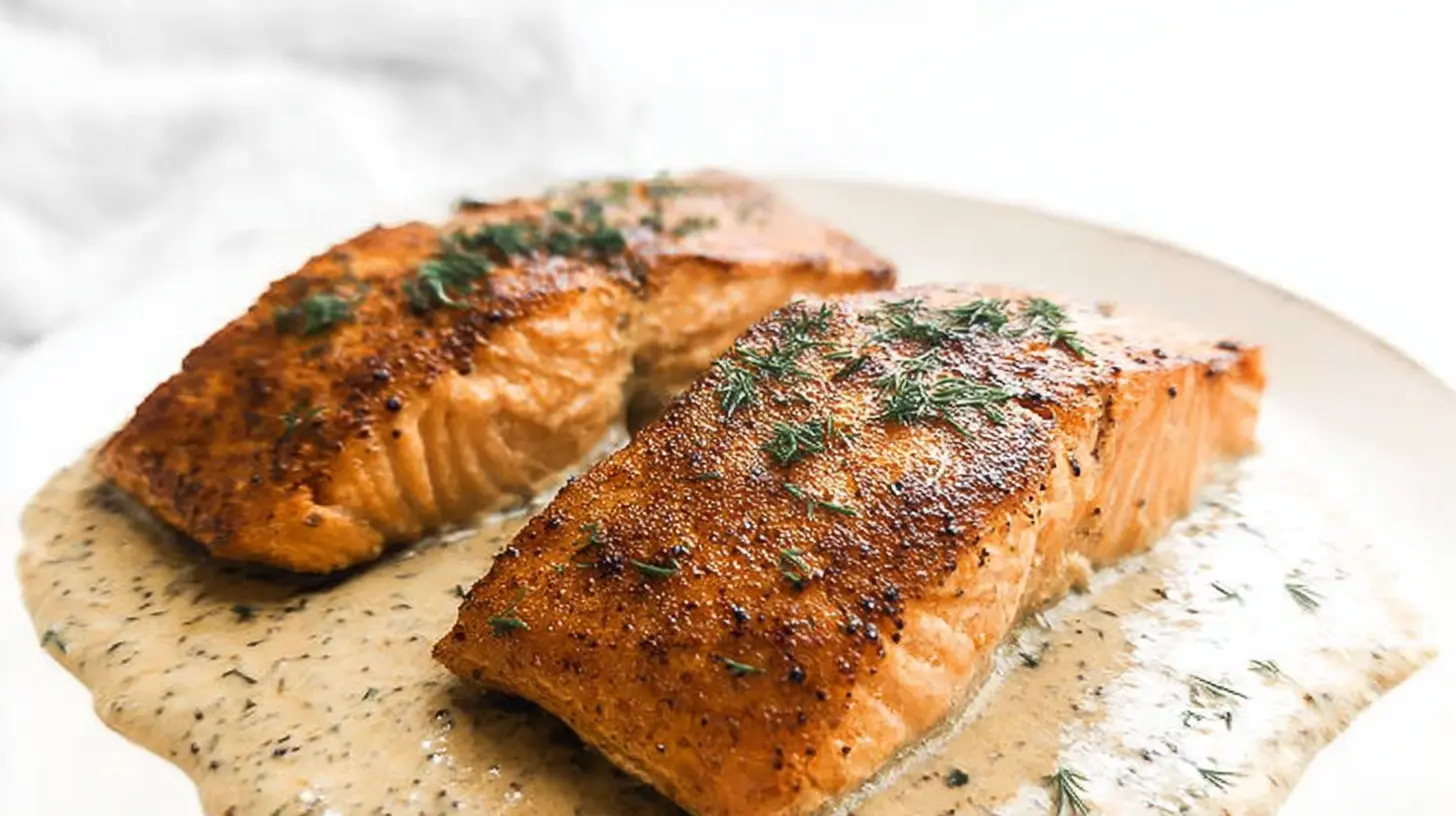
I remember my first time trying to pan-sear salmon. It felt a little intimidating – would it stick? Would it be overcooked and dry, or worse, undercooked? But with a few simple techniques, it quickly became one of my favorite go-to meals. If you’re looking for a healthy, incredibly fast dinner that genuinely impresses without a ton of fuss, then you’ve landed in the right place. This guide is designed to take the guesswork out of pan-searing, offering four delicious variations that are perfect for beginners.
What Makes This Recipe Special?
There’s a good reason pan-seared salmon is a staple in so many kitchens, from home cooks to professional chefs. First off, it’s incredibly quick. We’re talking about a complete meal on the table in under 20 minutes, making it an absolute lifesaver for busy weeknights. Beyond speed, salmon is a nutritional powerhouse, packed with omega-3 fatty acids and lean protein, which means you’re serving up something truly good for you and your family.
But what truly sets this method apart is the unparalleled texture: a perfectly crispy, golden-brown skin that gives way to tender, flaky, and moist flesh. And don’t even get me started on the versatility! With just a few tweaks, you can transform a basic salmon fillet into a Mediterranean delight, a zesty lemon-herb sensation, or a savory garlic-butter dream. This isn’t just one recipe; it’s practically a whole new dinner rotation.
> “I used to shy away from cooking fish at home, but this pan-seared salmon guide changed everything. It’s so easy, and the salmon comes out perfect every single time. My family thinks I’m a gourmet chef now!” – A Happy Beginner Cook
Step-by-Step Overview of Preparing These Salmon Fillets
Before we dive into the specific ingredients for each variation, let’s get a general idea of the process. Pan-searing salmon is actually quite straightforward. You’ll start by preparing your salmon fillets, ensuring they’re dry for the best crisp. Then, you’ll season them generously. A hot pan with a good oil is key for achieving that beautiful sear. You’ll cook the salmon primarily skin-side down, allowing the skin to crisp up perfectly while the heat gently cooks the fish through. A quick flip, a brief finish on the other side, and voila – perfectly cooked salmon ready for one of our four delicious finishes!
What You’ll Need
Here’s a breakdown of the core ingredients for all four variations, plus the specifics for each. You likely have most of these in your pantry already!
Core Ingredients (for 4 servings of salmon):
- 4 (6-ounce) salmon fillets, skin on or off (skin-on is recommended for crispiness)
- 1 tablespoon olive oil or avocado oil (for searing)
- Salt and black pepper, to taste
For the Lemon-Dill Salmon:
- 1 tablespoon fresh lemon juice
- 1 teaspoon fresh dill, chopped (or 1/2 teaspoon dried dill)
- 1 tablespoon unsalted butter (optional, for finishing)
For the Garlic-Herb Salmon:
- 2 cloves garlic, minced
- 1/2 teaspoon dried Italian seasoning (or a mix of dried oregano, thyme, and rosemary)
- 1 tablespoon unsalted butter
- 1 tablespoon fresh parsley, chopped (for garnish)
For the Honey-Soy Glazed Salmon:
- 1 tablespoon soy sauce (or tamari for gluten-free)
- 1 tablespoon honey
- 1/2 teaspoon grated fresh ginger (or 1/4 teaspoon ground ginger)
- 1/4 teaspoon red pepper flakes (optional, for a little heat)
- 1 teaspoon sesame seeds (for garnish)
For the Spicy Paprika Salmon:
- 1 teaspoon smoked paprika
- 1/2 teaspoon garlic powder
- 1/4 teaspoon cayenne pepper (adjust to your spice preference)
- 1/4 teaspoon onion powder
Directions to Follow
Let’s walk through the general pan-searing method, then add the specific steps for each of the four delicious variations.
General Pan-Searing Method (for all variations):
- Prepare the Salmon: Pat the salmon fillets completely dry with paper towels. This step is crucial for crispy skin. Season both sides generously with salt and black pepper.
- Heat the Pan: Place a large, heavy-bottomed skillet (cast iron or stainless steel works best) over medium-high heat. Add the olive oil. Once the oil shimmers and just begins to smoke lightly (about 2-3 minutes), it’s ready.
- Sear Skin-Side Down: Carefully place the salmon fillets, skin-side down, into the hot pan. Press down gently on each fillet with a spatula for the first 30 seconds to ensure even contact with the pan and prevent the skin from curling.
- Cook Skin-Side: Cook undisturbed for 4-6 minutes, or until the skin is deeply golden and crispy, and the salmon has cooked about two-thirds of the way up the side (you’ll see the color change from translucent to opaque). The skin should release easily from the pan.
- Flip and Finish: Flip the salmon fillets to the flesh side. Cook for another 1-3 minutes, depending on the thickness of your fillets and your desired doneness. Salmon is done when it easily flakes with a fork or reaches an internal temperature of 145°F (63°C).
Specific Steps for Each Variation:
Lemon-Dill Salmon:
After flipping to the flesh side (Step 5 of general method), add the butter (if using) to the pan and let it melt. Squeeze fresh lemon juice over the salmon and sprinkle with fresh or dried dill. Cook for the remaining 1-3 minutes, basting with the pan sauce if desired.
Garlic-Herb Salmon:
About 1 minute before flipping the salmon (Step 5 of general method), carefully add the minced garlic and Italian seasoning to the pan, letting them cook in the oil around the fish for about 30 seconds until fragrant. After flipping, add the butter. Cook for the remaining 1-3 minutes, basting with the fragrant garlic butter. Garnish with fresh parsley before serving.
Honey-Soy Glazed Salmon:
While the salmon is cooking skin-side down, whisk together the soy sauce, honey, ginger, and red pepper flakes (if using) in a small bowl. Once you’ve flipped the salmon (Step 5 of general method), pour the glaze over the fillets. Let it simmer and slightly reduce, coating the salmon, for the remaining 1-3 minutes. Garnish with sesame seeds.
Spicy Paprika Salmon:
Before seasoning with salt and pepper (Step 1 of general method), combine the smoked paprika, garlic powder, cayenne pepper, and onion powder in a small bowl. Rub this spice mixture evenly over both sides of the salmon fillets. Proceed with the general searing method. No additional steps after cooking!
Best Ways to Enjoy Your Salmon
The beauty of these pan-seared salmon recipes is how versatile they are when it comes to serving! For a quick and easy weeknight meal, a simple side of steamed green beans or asparagus,
finished with a squeeze of lemon, is
perfect. A fluffy bed of couscous or quinoa would also complement any of these variations beautifully, soaking up any delicious pan drippings.
If you’re aiming for a slightly more substantial meal, consider pairing the Lemon-Dill Salmon with roasted potatoes or a fresh spring salad. The Honey-Soy Glazed Salmon shines next to a bowl of jasmine rice and some quickly stir-fried bok choy. For the Garlic-Herb or Spicy Paprika varieties, try a creamy polenta or mashed cauliflower to balance the flavors. Don’t forget a fresh garnish – a sprinkle of chopped herbs, a lemon wedge, or a dash of sesame seeds can really elevate the presentation.
Keeping Leftovers Fresh
Proper storage and reheating are key to enjoying your pan-seared salmon beyond the first meal. Once cooled, transfer any leftover salmon fillets to an airtight container and refrigerate promptly. It will stay fresh for up to 2-3 days.
When it comes to reheating, avoid the microwave if you can, as it tends to dry out fish. The best method is to gently reheat it in a skillet over low heat for a few minutes until just warmed through, or in an oven preheated to 275°F (135°C) for about 10-15 minutes, covering it loosely with foil to retain moisture. Freezing cooked salmon isn’t ideal as it can significantly alter the texture upon thawing and reheating, making it a bit dry and less appealing. It’s best to enjoy these dishes fresh or within a couple of days!
Extra Advice for Success
Even though pan-searing salmon is simple, a few pro tips can take it from good to absolutely phenomenal every time.
- Dry, Dry, Dry: I can’t stress this enough. The drier the salmon skin, the crispier it will get. Pat, pat, pat with paper towels before seasoning.
- Don’t Fear the Heat: A sufficiently hot pan is critical for developing that beautiful crust and preventing sticking. If your pan isn’t hot enough, the fish will steam instead of sear.
- Give it Space: Don’t overcrowd the pan. If you’re cooking more than two fillets, work in batches. Overcrowding lowers the pan’s temperature and prevents proper searing.
- Know Your Doneness: A classic mistake is overcooking. Salmon cooks quickly. When it reaches an internal temperature of 145°F (63°C), it’s perfectly flaky and moist. You can tell it’s done when the thickest part easily flakes with a fork. It will continue to cook slightly after you remove it from the heat.
- Resting is Key: Just like with steak, letting the salmon rest for a minute or two after cooking allows the juices to redistribute, resulting in a more tender and flavorful fillet.
Different Ways to Try It
One of the best things about pan-seared salmon is how easily you can adapt it to your taste or what you have on hand. Don’t feel limited by these four variations!
- Spice it Up: Experiment with different spice rubs. Cajun seasoning, blackened seasoning, or a simple mix of cumin and chili powder can add exciting new flavors.
- Citrus Swaps: Instead of lemon, try lime or orange juice for a different citrusy kick.
- Herbal Infusions: Beyond dill, fresh parsley, cilantro, chives, tarragon, or even a sprig of rosemary can be bruised and added to the pan during cooking for a lovely aroma and flavor.
- Creamy Finish: For a richer dish, after searing, remove the salmon and deglaze the pan with a splash of white wine or chicken broth, then stir in a spoon of cream cheese or a swirl of heavy cream.
- Nutty Crunch: For an added texture, sprinkle some toasted chopped nuts like pecans or walnuts over your salmon just before serving.
Your Questions Answered
Q1: Can I use frozen salmon fillets?
A1: Absolutely! Just make sure they are completely thawed before cooking. For best results, thaw them overnight in the refrigerator. Pat them very dry, as frozen salmon tends to release more water.
Q2: Is it okay to remove the skin before cooking?
A2: Yes, you can remove the skin if you prefer, though I highly recommend keeping it on for the searing process. The skin gets wonderfully crispy and also acts as a protective layer, helping the flesh stay moist. If you remove it, just be a bit more gentle when flipping.
Q3: How do I know my salmon is cooked through but not dry?
A3: The easiest way for beginners is to watch for the color change. The pinkish-red, translucent flesh will turn opaque. When it flakes easily with a fork at its thickest point, it’s done. If you have a meat thermometer, aim for 145°F (63°C). Remember, it’s better to undercook slightly and let it rest than to overcook.
Q4: My salmon is sticking to the pan. What went wrong?
A4: There are a few common culprits. The pan might not have been hot enough when you added the fish, or you may not have used enough oil. Ensure your skillet is screaming hot and the oil is shimmering before placing the salmon. Also, avoid trying to flip it too soon; once a good crust has formed, the fish will naturally release from the pan.
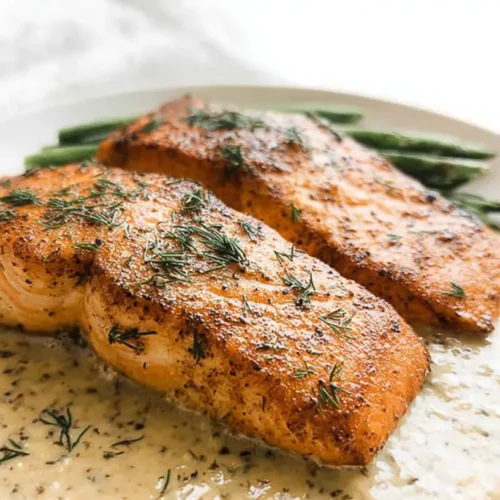
Classic Simple Pan-Seared Salmon for Beginners
Equipment
- Paper towels
- Heavy-bottomed skillet (cast iron or stainless steel)
- Spatula
- Meat thermometer (optional)
Ingredients
Main Ingredients
- 2 ounces Salmon Fillets 6 ounces each, skin-on, boneless
- 1 tablespoon Olive Oil or other high smoke point oil like avocado oil
- 1/2 teaspoon Coarse Sea Salt or kosher salt
- 1/4 teaspoon Freshly Ground Black Pepper
Optional Garnish
- 1 wedge Fresh Lemon for serving
- Fresh Dill or Parsley for garnish
Instructions
Preparation
- Pat salmon fillets dry with paper towels to ensure crispy skin, then season generously with salt and pepper on both sides, especially the skin.
Cooking
- Heat a heavy-bottomed skillet over medium-high heat, then add olive oil and let it get shimmering hot.
- Carefully place salmon fillets skin-side down in the hot pan, pressing gently for the first 30 seconds to ensure full contact.
- Cook undisturbed for 4-6 minutes until the salmon’s color changes and the skin is golden brown and crispy.
- Flip the salmon and cook on the flesh side for 2-4 minutes until desired doneness is reached, with a target internal temperature of 125-130°F (52-54°C) for medium-rare.
Serving
- Transfer cooked salmon to a plate and let it rest for 1-2 minutes to redistribute juices.
- Optionally, squeeze fresh lemon juice over the top and garnish with fresh dill or parsley before serving.